

GIVE THE PERFECT GIFT
Erin Mills Town Centre Gift Cards are the perfect choice for your gift giving needs.Purchase gift cards at kiosks near the food court or centre court, at Guest Services, or click below to purchase online.PURCHASE HEREHome
The Subthalamic Nucleus: Part I: Development, Cytology, Topography And Connections
Indigo
Loading Inventory...
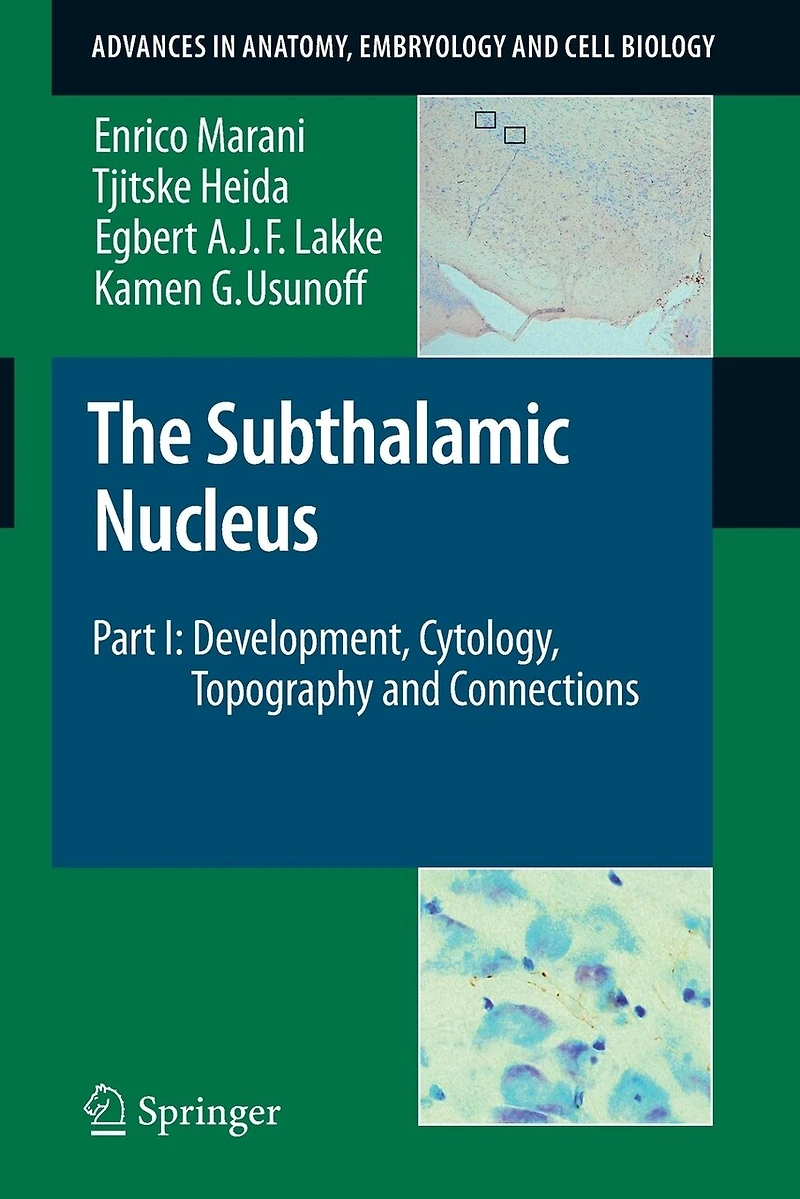
The Subthalamic Nucleus: Part I: Development, Cytology, Topography And Connections
Current price: $160.95

The Subthalamic Nucleus: Part I: Development, Cytology, Topography And Connections
Current price: $160.95
Loading Inventory...
Size: Paperback
*Product information may vary - to confirm product availability, pricing, shipping and return information please contact Indigo
1 Introduction 1.1 Hemiballism Hemiballism or hemichorea is a rare neurological disorder, but the crucial invol- ment of the subthalamic nucleus (STN) in its pathophysiology has been app- ciated for decades (Jakob 1923; Martin 1927; Glees and Wall 1946; Whittier and Mettler 1949; Carpenter and Carpenter 1951; Crossman 1987). Only recently have serious doubts come forward. Postuma and Lang (2003) have described the STN as being involved in only a minority of cases, and indicated unrecognized causes such as non-ketotic hyperosmolar hyperglycaemia and complications of human immunodeficiency virus (HIV) infections. Moreover, the crucial involvement of a lesion of the STN is in doubt (Guridi and Obeso 2001; Postuma and Lang 2003). On the other hand, idiopathic Parkinson's disease (Battistin et al. 1996; Usunoff et al. 2002) is a common neurodegenerative disorder, but the key role of the STN in the pathophysiological origin of the parkinsonian state has become evident only recently (Miller and DeLong 1987; Mitchell et al. 1989; Bergman et al. 1990, 1994; Hollerman and Grace 1992; Guridi et al. 1993; Parent and Hazrati 1995b; Hassani et al. 1996; Levy et al. 1997, 2002; Blandini et al. 2000; Hirsch et al. 2000; Ni et al.
1 Introduction 1.1 Hemiballism Hemiballism or hemichorea is a rare neurological disorder, but the crucial invol- ment of the subthalamic nucleus (STN) in its pathophysiology has been app- ciated for decades (Jakob 1923; Martin 1927; Glees and Wall 1946; Whittier and Mettler 1949; Carpenter and Carpenter 1951; Crossman 1987). Only recently have serious doubts come forward. Postuma and Lang (2003) have described the STN as being involved in only a minority of cases, and indicated unrecognized causes such as non-ketotic hyperosmolar hyperglycaemia and complications of human immunodeficiency virus (HIV) infections. Moreover, the crucial involvement of a lesion of the STN is in doubt (Guridi and Obeso 2001; Postuma and Lang 2003). On the other hand, idiopathic Parkinson's disease (Battistin et al. 1996; Usunoff et al. 2002) is a common neurodegenerative disorder, but the key role of the STN in the pathophysiological origin of the parkinsonian state has become evident only recently (Miller and DeLong 1987; Mitchell et al. 1989; Bergman et al. 1990, 1994; Hollerman and Grace 1992; Guridi et al. 1993; Parent and Hazrati 1995b; Hassani et al. 1996; Levy et al. 1997, 2002; Blandini et al. 2000; Hirsch et al. 2000; Ni et al.
You May Also Like















More About Indigo at Erin Mills Town Centre
The largest book retailer in Canada also offers toys, music, home décor, gifts and lifestyle products. What's Inside...Books, Magazines, CD’s and DVD’s, Toys and Gifts, Home Accents, Electronics, Baby’s and Children’s Section, Bath and Body, Kitchen and Bedroom, Stationary Located outside in the exterior plaza.
5015 Glen Erin Dr, Mississauga, ON L5M 0R7, Canada
Find Indigo at Erin Mills Town Centre in Mississauga ON
Visit Indigo at Erin Mills Town Centre in Mississauga ON