

GIVE THE PERFECT GIFT
Erin Mills Town Centre Gift Cards are the perfect choice for your gift giving needs.Purchase gift cards at kiosks near the food court or centre court, at Guest Services, or click below to purchase online.PURCHASE HEREHome
The Tempo Implications Of Bach's Notation: Part 2-the Dance Suites
Indigo
Loading Inventory...
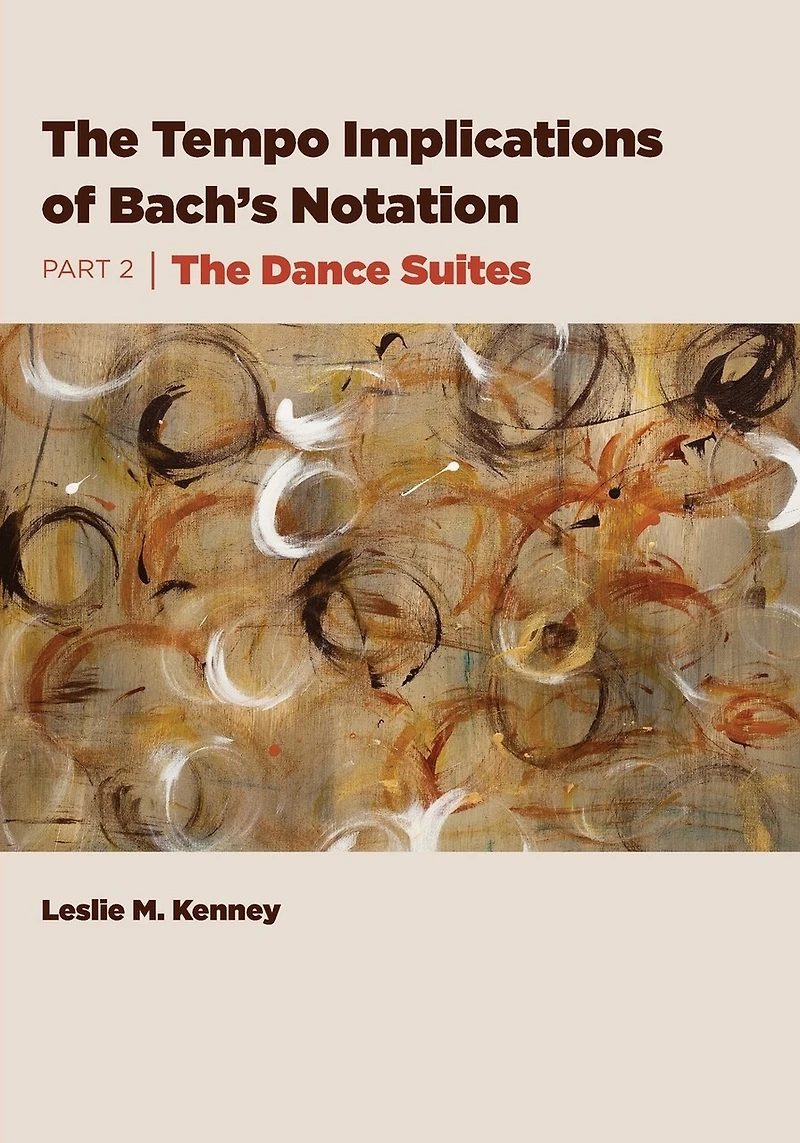
The Tempo Implications Of Bach's Notation: Part 2-the Dance Suites
Current price: $24.99

The Tempo Implications Of Bach's Notation: Part 2-the Dance Suites
Current price: $24.99
Loading Inventory...
Size: Paperback
*Product information may vary - to confirm product availability, pricing, shipping and return information please contact Indigo
This research into the tempos of Bach's dance music answers the age-old question, "How fast should this piece be?" Because Bach's tempo often differs from current performance practice, this research transforms our understanding of his music. Bach's principal suites encompass over 200 movements and include nineteen suites for harpsichord, two for lute, three for violin, and six for cello. These iconic pieces are played at widely varying tempos today, leading to diverse musical effects. Because Bach must have had specific musical effects in mind, many of today's interpretations must be contrary to his intentions. In this book the author draws on his previously published research into Bach's proportional method for establishing tempo and applies that method to these dance movements. By examining contemporaneous descriptions of the dance and also its music, the author uncovers the following about the tempo implications of Bach's titles: - The titles "Allemande" and "Sarabande" indicate that the omission of thirty-second notes does not affect tempo. - The title "Courante" indicates that the inclusion of sixteenth notes does not affect tempo. - The title "Gigue" has the same effect as does the fast performance marking Presto. - All other dance titles have no tempo implications. After perusing this book, the musician will be able to determine Bach's intended tempo for any Bach dance movement. He needs only to identify the title, time signature, tactus speed, and shortest note value. By establishing Bach's intended tempos, the musician will also discover Bach's intended musical effects. This book is for classical musicians, musicologists, music students, dance historians, and anyone who appreciates Bach's music. Thoroughly researched and meticulously documented, it includes over 180 musical examples and dozens of figures and tables. It includes a bibliography, and it also includes an index of cited Bach works, sorted by BWV number. This research is presented so that an amateur musician will be able to follow the arguments.
This research into the tempos of Bach's dance music answers the age-old question, "How fast should this piece be?" Because Bach's tempo often differs from current performance practice, this research transforms our understanding of his music. Bach's principal suites encompass over 200 movements and include nineteen suites for harpsichord, two for lute, three for violin, and six for cello. These iconic pieces are played at widely varying tempos today, leading to diverse musical effects. Because Bach must have had specific musical effects in mind, many of today's interpretations must be contrary to his intentions. In this book the author draws on his previously published research into Bach's proportional method for establishing tempo and applies that method to these dance movements. By examining contemporaneous descriptions of the dance and also its music, the author uncovers the following about the tempo implications of Bach's titles: - The titles "Allemande" and "Sarabande" indicate that the omission of thirty-second notes does not affect tempo. - The title "Courante" indicates that the inclusion of sixteenth notes does not affect tempo. - The title "Gigue" has the same effect as does the fast performance marking Presto. - All other dance titles have no tempo implications. After perusing this book, the musician will be able to determine Bach's intended tempo for any Bach dance movement. He needs only to identify the title, time signature, tactus speed, and shortest note value. By establishing Bach's intended tempos, the musician will also discover Bach's intended musical effects. This book is for classical musicians, musicologists, music students, dance historians, and anyone who appreciates Bach's music. Thoroughly researched and meticulously documented, it includes over 180 musical examples and dozens of figures and tables. It includes a bibliography, and it also includes an index of cited Bach works, sorted by BWV number. This research is presented so that an amateur musician will be able to follow the arguments.
You May Also Like











More About Indigo at Erin Mills Town Centre
The largest book retailer in Canada also offers toys, music, home décor, gifts and lifestyle products. What's Inside...Books, Magazines, CD’s and DVD’s, Toys and Gifts, Home Accents, Electronics, Baby’s and Children’s Section, Bath and Body, Kitchen and Bedroom, Stationary Located outside in the exterior plaza.
5015 Glen Erin Dr, Mississauga, ON L5M 0R7, Canada
Find Indigo at Erin Mills Town Centre in Mississauga ON
Visit Indigo at Erin Mills Town Centre in Mississauga ON