

GIVE THE PERFECT GIFT
Erin Mills Town Centre Gift Cards are the perfect choice for your gift giving needs.Purchase gift cards at kiosks near the food court or centre court, at Guest Services, or click below to purchase online.PURCHASE HEREHome
The Three Ages of International Commercial Arbitration
Indigo
Loading Inventory...
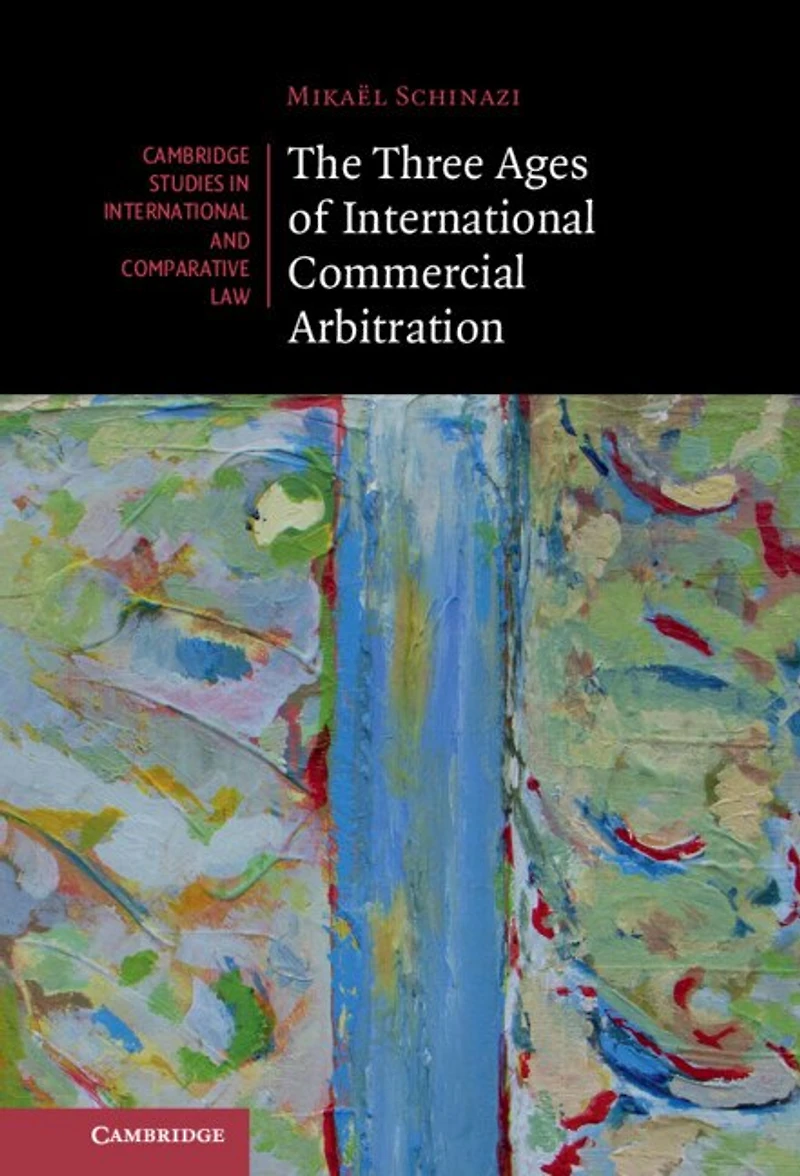
The Three Ages of International Commercial Arbitration
Current price: $177.95

The Three Ages of International Commercial Arbitration
Current price: $177.95
Loading Inventory...
Size: Hardcover
*Product information may vary - to confirm product availability, pricing, shipping and return information please contact Indigo
Drawing on a wide range of previously unpublished sources, this unique history of international commercial arbitration in the modern era identifies three periods in its development: the Age of Aspirations (c. 1780–1920), the Age of Institutionalization (1920s–1950s), and the Age of Autonomy (1950s–present). Mikaël Schinazi analyzes the key features of each period, arguing that the history of international commercial arbitration has oscillated between moments of renewal and anxiety. During periods of renewal, new approaches, instruments, and institutions were developed to carry international commercial arbitration forward. These developments were then reined in during periods of anxiety, for fear that international arbitration might be overstepping its bounds. The resulting tension between renewal and anxiety is a key thread running through the evolution of international commercial arbitration. This book fills a key gap in the scholarship for anyone interested in the fields of international arbitration, legal history, and international law.
Drawing on a wide range of previously unpublished sources, this unique history of international commercial arbitration in the modern era identifies three periods in its development: the Age of Aspirations (c. 1780–1920), the Age of Institutionalization (1920s–1950s), and the Age of Autonomy (1950s–present). Mikaël Schinazi analyzes the key features of each period, arguing that the history of international commercial arbitration has oscillated between moments of renewal and anxiety. During periods of renewal, new approaches, instruments, and institutions were developed to carry international commercial arbitration forward. These developments were then reined in during periods of anxiety, for fear that international arbitration might be overstepping its bounds. The resulting tension between renewal and anxiety is a key thread running through the evolution of international commercial arbitration. This book fills a key gap in the scholarship for anyone interested in the fields of international arbitration, legal history, and international law.
You May Also Like








More About Indigo at Erin Mills Town Centre
The largest book retailer in Canada also offers toys, music, home décor, gifts and lifestyle products. What's Inside...Books, Magazines, CD’s and DVD’s, Toys and Gifts, Home Accents, Electronics, Baby’s and Children’s Section, Bath and Body, Kitchen and Bedroom, Stationary Located outside in the exterior plaza.
5015 Glen Erin Dr, Mississauga, ON L5M 0R7, Canada
Find Indigo at Erin Mills Town Centre in Mississauga ON
Visit Indigo at Erin Mills Town Centre in Mississauga ON