

GIVE THE PERFECT GIFT
Erin Mills Town Centre Gift Cards are the perfect choice for your gift giving needs.Purchase gift cards at kiosks near the food court or centre court, at Guest Services, or click below to purchase online.PURCHASE HEREHome
The Tipping Point: An Argument for Eliminating Gratuities
Indigo
Loading Inventory...
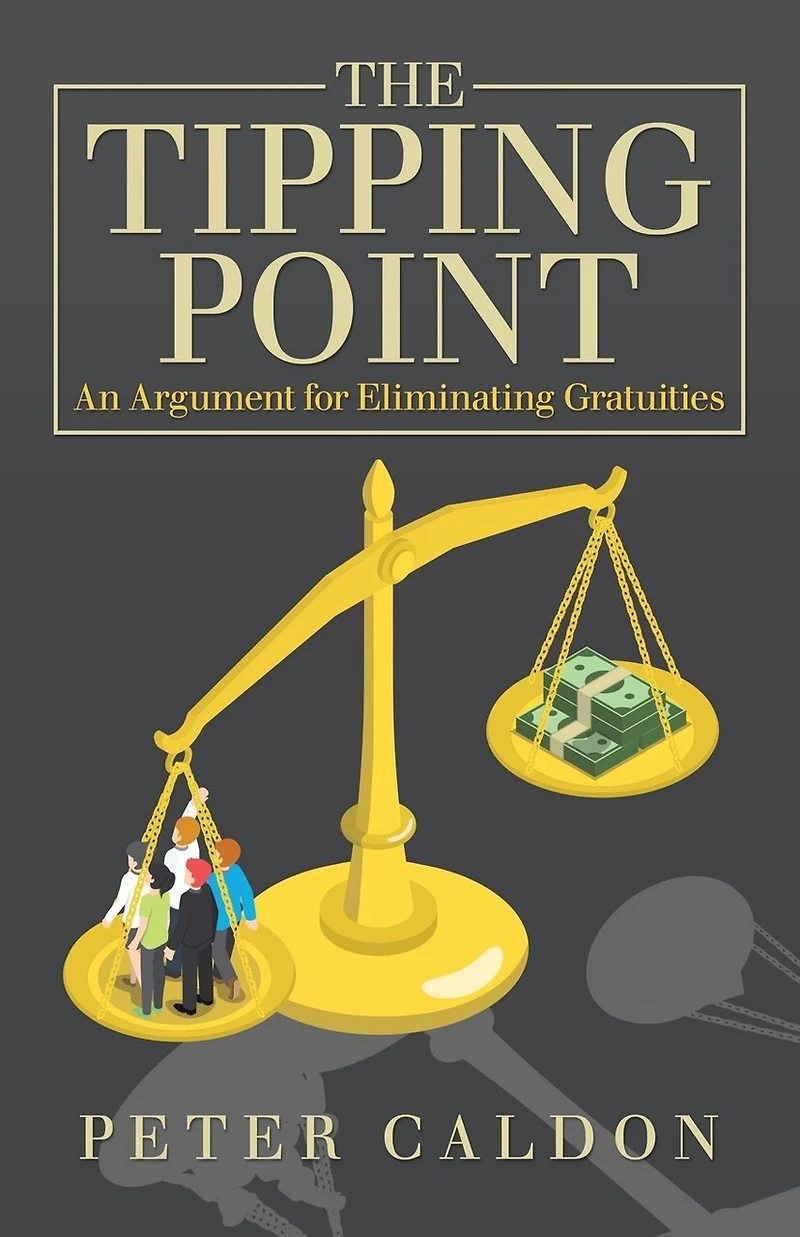
The Tipping Point: An Argument for Eliminating Gratuities
Current price: $15.95

The Tipping Point: An Argument for Eliminating Gratuities
Current price: $15.95
Loading Inventory...
Size: Paperback
*Product information may vary - to confirm product availability, pricing, shipping and return information please contact Indigo
Technology, restaurant design, and hospitality are enjoying renaissances-but tipping is the same as ever. Ending tipping won't end good service, but it would elevate service delivery. Team members earning a higher steady income, and who received medical insurance, paid leave, and were offered revenue sharing-just like workers in every other retail service industry where value is recognized and rewarded-would do a better job. The Tipping Point, however, also examines arguments for why tipping should continue, highlighting how ending the practice would affect business operations. Ultimately, it concludes that eliminating tipping would not lead to lower wages, reduced hours, higher menu prices, and lower customer counts-and that higher prices and lower profits would be more than offset by greater productivity, lower turnover, and happier employees. Join the author as he presents a strong argument for ending the practice of tipping in restaurants, supported by his passion for justice, human dignity, and good business.
Technology, restaurant design, and hospitality are enjoying renaissances-but tipping is the same as ever. Ending tipping won't end good service, but it would elevate service delivery. Team members earning a higher steady income, and who received medical insurance, paid leave, and were offered revenue sharing-just like workers in every other retail service industry where value is recognized and rewarded-would do a better job. The Tipping Point, however, also examines arguments for why tipping should continue, highlighting how ending the practice would affect business operations. Ultimately, it concludes that eliminating tipping would not lead to lower wages, reduced hours, higher menu prices, and lower customer counts-and that higher prices and lower profits would be more than offset by greater productivity, lower turnover, and happier employees. Join the author as he presents a strong argument for ending the practice of tipping in restaurants, supported by his passion for justice, human dignity, and good business.
You May Also Like












More About Indigo at Erin Mills Town Centre
The largest book retailer in Canada also offers toys, music, home décor, gifts and lifestyle products. What's Inside...Books, Magazines, CD’s and DVD’s, Toys and Gifts, Home Accents, Electronics, Baby’s and Children’s Section, Bath and Body, Kitchen and Bedroom, Stationary Located outside in the exterior plaza.
5015 Glen Erin Dr, Mississauga, ON L5M 0R7, Canada
Find Indigo at Erin Mills Town Centre in Mississauga ON
Visit Indigo at Erin Mills Town Centre in Mississauga ON