

GIVE THE PERFECT GIFT
Erin Mills Town Centre Gift Cards are the perfect choice for your gift giving needs.Purchase gift cards at kiosks near the food court or centre court, at Guest Services, or click below to purchase online.PURCHASE HEREHome
the Transformation of British and American Naval Policy Pre-Dreadnought Era: Ideas, Culture Strategy
Indigo
Loading Inventory...
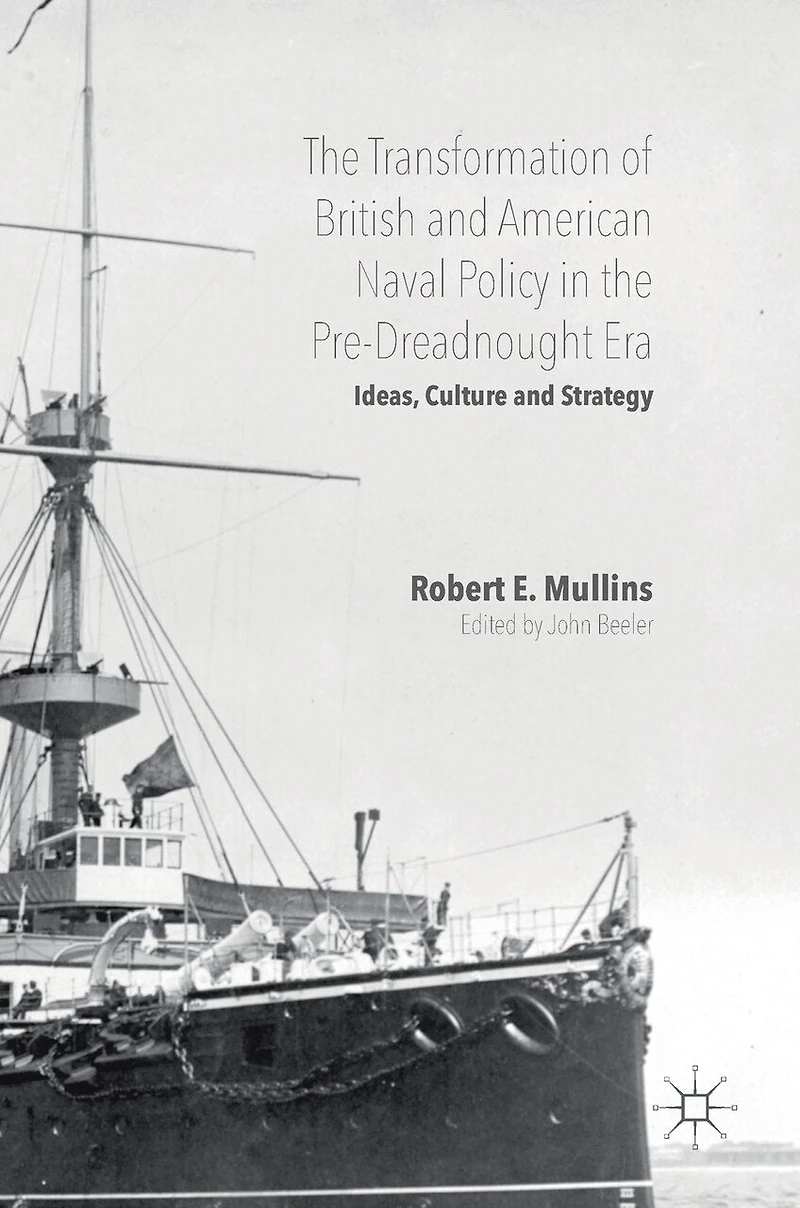
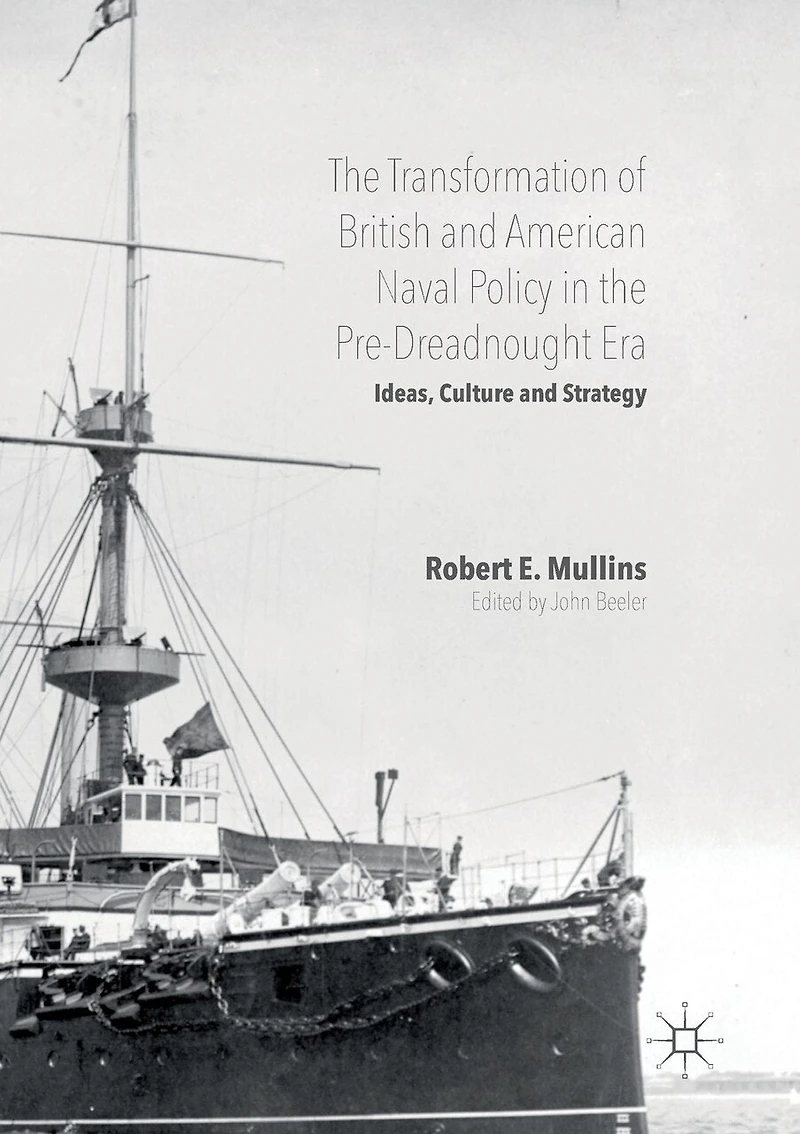
the Transformation of British and American Naval Policy Pre-Dreadnought Era: Ideas, Culture Strategy
Current price: $175.50

the Transformation of British and American Naval Policy Pre-Dreadnought Era: Ideas, Culture Strategy
Current price: $175.50
Loading Inventory...
Size: Hardcover
*Product information may vary - to confirm product availability, pricing, shipping and return information please contact Indigo
This volume examines the transformation of British and US naval policy from 1870 to 1889, which resulted in the British Naval Defence Act (1889), the construction of the first modern US battleships, and began the naval arms race which culminated in World War One. In examining the development of strategic thinking in the Royal and US Navies, it overturns conventional wisdom regarding genesis of the Naval Defence Act and the US Navy's about-face from a defensive to an offensive strategic orientation. It pays particular attention to activities of the key individuals in both countries' navies, who were instrumental in transforming their respective services' organizational culture. This study will be of interest not only to historians but to political scientists, sociologists, and others working in the fields of international relations, strategic studies, policy analysis, and military learning, adaptation and innovation. It is also essential reading for those interested in the naval arms race during this period.
This volume examines the transformation of British and US naval policy from 1870 to 1889, which resulted in the British Naval Defence Act (1889), the construction of the first modern US battleships, and began the naval arms race which culminated in World War One. In examining the development of strategic thinking in the Royal and US Navies, it overturns conventional wisdom regarding genesis of the Naval Defence Act and the US Navy's about-face from a defensive to an offensive strategic orientation. It pays particular attention to activities of the key individuals in both countries' navies, who were instrumental in transforming their respective services' organizational culture. This study will be of interest not only to historians but to political scientists, sociologists, and others working in the fields of international relations, strategic studies, policy analysis, and military learning, adaptation and innovation. It is also essential reading for those interested in the naval arms race during this period.
You May Also Like














More About Indigo at Erin Mills Town Centre
The largest book retailer in Canada also offers toys, music, home décor, gifts and lifestyle products. What's Inside...Books, Magazines, CD’s and DVD’s, Toys and Gifts, Home Accents, Electronics, Baby’s and Children’s Section, Bath and Body, Kitchen and Bedroom, Stationary Located outside in the exterior plaza.
5015 Glen Erin Dr, Mississauga, ON L5M 0R7, Canada
Find Indigo at Erin Mills Town Centre in Mississauga ON
Visit Indigo at Erin Mills Town Centre in Mississauga ON