

GIVE THE PERFECT GIFT
Erin Mills Town Centre Gift Cards are the perfect choice for your gift giving needs.Purchase gift cards at kiosks near the food court or centre court, at Guest Services, or click below to purchase online.PURCHASE HEREHome
The Two Faces of Liberalism
Indigo
Loading Inventory...
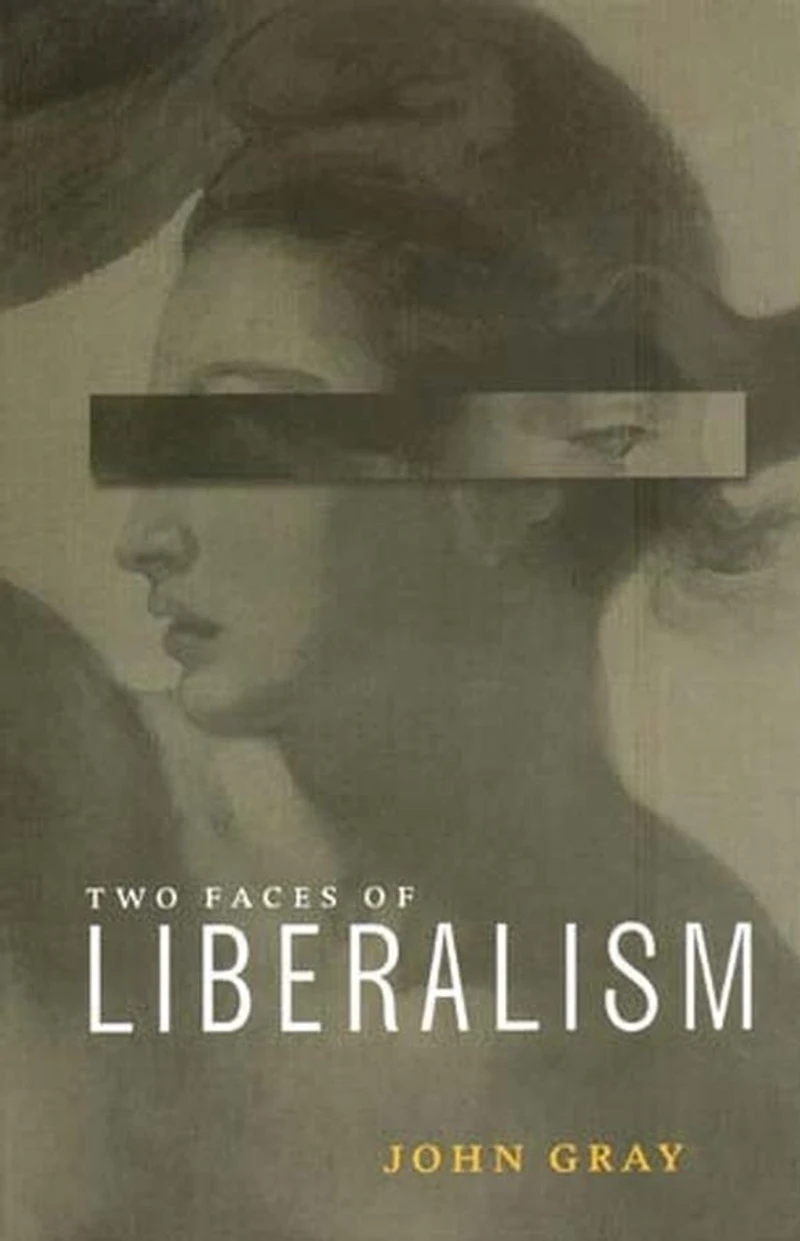
The Two Faces of Liberalism
Current price: $34.00

The Two Faces of Liberalism
Current price: $34.00
Loading Inventory...
Size: Kobo eBook
*Product information may vary - to confirm product availability, pricing, shipping and return information please contact Indigo
In Two Faces of Liberalism, John Gray argues that liberal thought has always contained two incompatible philosophies. In one, liberalism is a theory of a universal rational consensus, which enables the achievement of the best way of life for all humankind. In the other, liberalism is the project of seeking terms of peaceful coexistence between different regimes and ways of life.
John Gray argues that the liberalism of rational consensus is anachronistic in a time when most late modern societies contain several ways of life, with many people belonging to more than one. The future of liberalism lies with a project of modus vivendi , first outlined in the writings of Thomas Hobbes. In the course of his argument, Gray presents a new interpretation of liberal toleration and argues that value-pluralism in ethics can support a revised view of universal human rights.
This accessible book will be of great interest to students and scholars of political thought, moral and political philosophy, social and critical theory and cultural studies.
In Two Faces of Liberalism, John Gray argues that liberal thought has always contained two incompatible philosophies. In one, liberalism is a theory of a universal rational consensus, which enables the achievement of the best way of life for all humankind. In the other, liberalism is the project of seeking terms of peaceful coexistence between different regimes and ways of life.
John Gray argues that the liberalism of rational consensus is anachronistic in a time when most late modern societies contain several ways of life, with many people belonging to more than one. The future of liberalism lies with a project of modus vivendi , first outlined in the writings of Thomas Hobbes. In the course of his argument, Gray presents a new interpretation of liberal toleration and argues that value-pluralism in ethics can support a revised view of universal human rights.
This accessible book will be of great interest to students and scholars of political thought, moral and political philosophy, social and critical theory and cultural studies.
You May Also Like










More About Indigo at Erin Mills Town Centre
The largest book retailer in Canada also offers toys, music, home décor, gifts and lifestyle products. What's Inside...Books, Magazines, CD’s and DVD’s, Toys and Gifts, Home Accents, Electronics, Baby’s and Children’s Section, Bath and Body, Kitchen and Bedroom, Stationary Located outside in the exterior plaza.
5015 Glen Erin Dr, Mississauga, ON L5M 0R7, Canada
Find Indigo at Erin Mills Town Centre in Mississauga ON
Visit Indigo at Erin Mills Town Centre in Mississauga ON