

GIVE THE PERFECT GIFT
Erin Mills Town Centre Gift Cards are the perfect choice for your gift giving needs.Purchase gift cards at kiosks near the food court or centre court, at Guest Services, or click below to purchase online.PURCHASE HEREHome
the United States of English: American Language from Colonial Times to Twenty-First Century
Indigo
Loading Inventory...
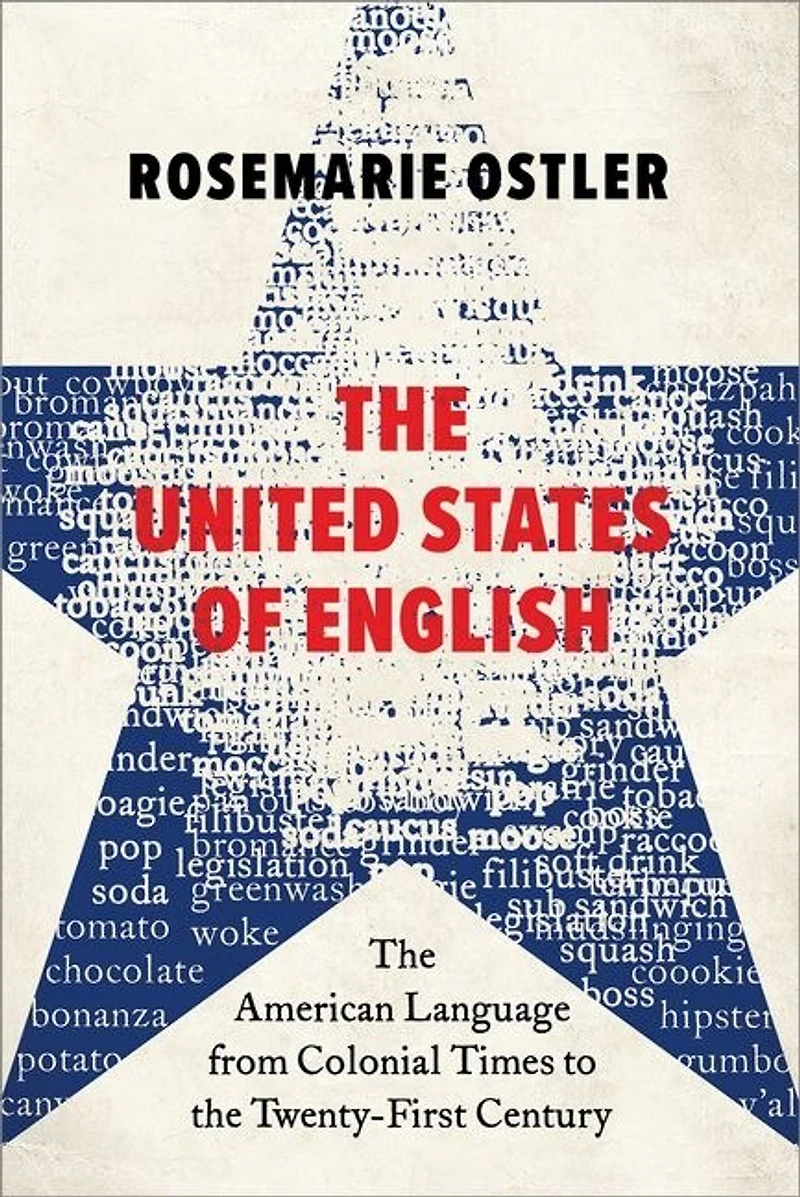
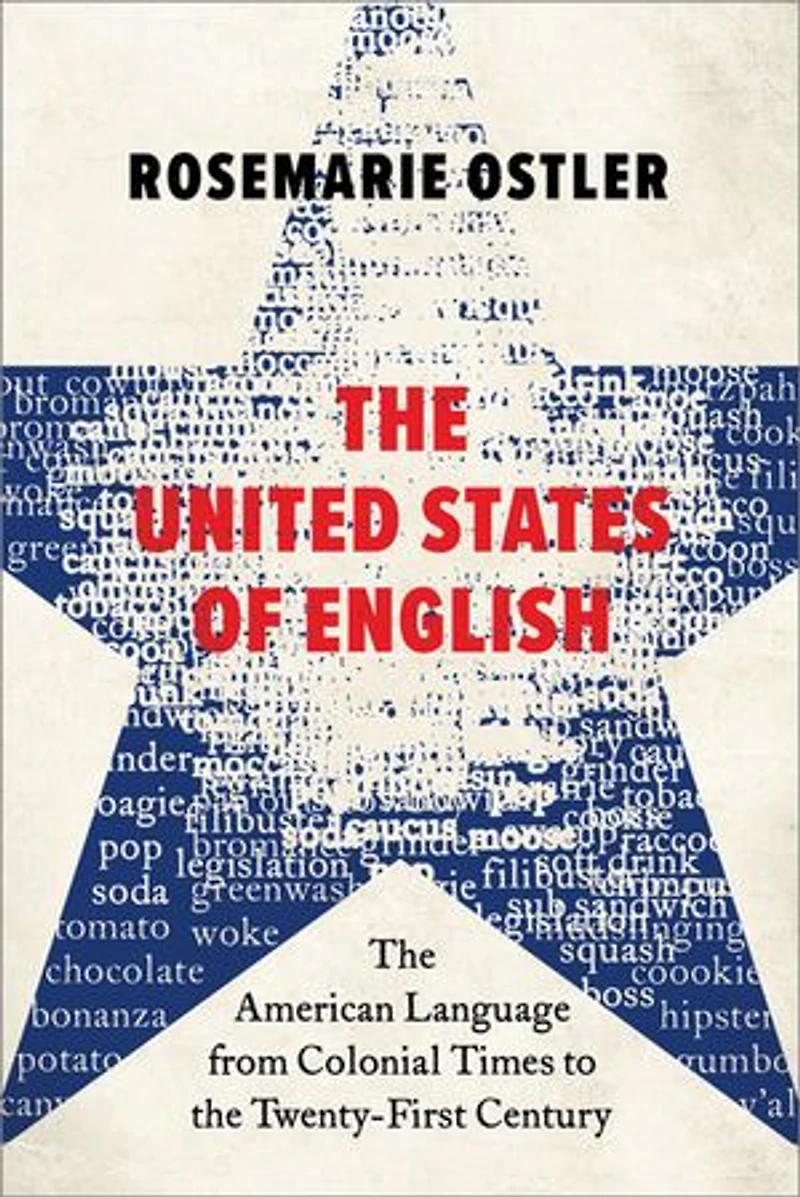
the United States of English: American Language from Colonial Times to Twenty-First Century
Current price: $35.99

the United States of English: American Language from Colonial Times to Twenty-First Century
Current price: $35.99
Loading Inventory...
Size: Hardcover
*Product information may vary - to confirm product availability, pricing, shipping and return information please contact Indigo
The story of how English became American -- and how it became Southern, Bostonian, Californian, African-American, Chicano, elite, working-class, urban, rural, and everything in between By the time of the Revolution, the English that Americans spoke was recognizably different from the British variety. Americans added dozens of new words to the language, either borrowed from Native Americans ( raccoon, persimmon, caucus ) or created from repurposed English ( backwoods, cane brake, salt lick ). Americans had their own pronunciations ( bath rhymed with hat , not hot ) and their own spelling ( honor , not honour ), not to mention a host of new expressions that grew out of the American landscape and culture ( blaze a trail, back track, pull up stakes ). Americans even invented their own slang, like stiff as a ringbolt to mean drunk. American English has continued to grow and change ever since. The United States of English tells the engrossing tale of how the American language evolved over four hundred years, explaining both how and why it changed and which parts of the "mother tongue" it preserved ( I guess was heard in the British countryside long before it became a typical Americanism). Rosemarie Ostler approaches American English as part of the larger story of American history and culture, starting with what we know about the first colonists and their speech. Drawing on the latest research, she explores the roots of regional dialects, the differences between British and American language use, the sources of American slang, the development of African American English, current trends in political language, and much more. Plentiful examples of the American vernacular, past and present, bring the language to life and make for an engaging as well as enlightening read.
The story of how English became American -- and how it became Southern, Bostonian, Californian, African-American, Chicano, elite, working-class, urban, rural, and everything in between By the time of the Revolution, the English that Americans spoke was recognizably different from the British variety. Americans added dozens of new words to the language, either borrowed from Native Americans ( raccoon, persimmon, caucus ) or created from repurposed English ( backwoods, cane brake, salt lick ). Americans had their own pronunciations ( bath rhymed with hat , not hot ) and their own spelling ( honor , not honour ), not to mention a host of new expressions that grew out of the American landscape and culture ( blaze a trail, back track, pull up stakes ). Americans even invented their own slang, like stiff as a ringbolt to mean drunk. American English has continued to grow and change ever since. The United States of English tells the engrossing tale of how the American language evolved over four hundred years, explaining both how and why it changed and which parts of the "mother tongue" it preserved ( I guess was heard in the British countryside long before it became a typical Americanism). Rosemarie Ostler approaches American English as part of the larger story of American history and culture, starting with what we know about the first colonists and their speech. Drawing on the latest research, she explores the roots of regional dialects, the differences between British and American language use, the sources of American slang, the development of African American English, current trends in political language, and much more. Plentiful examples of the American vernacular, past and present, bring the language to life and make for an engaging as well as enlightening read.
You May Also Like











More About Indigo at Erin Mills Town Centre
The largest book retailer in Canada also offers toys, music, home décor, gifts and lifestyle products. What's Inside...Books, Magazines, CD’s and DVD’s, Toys and Gifts, Home Accents, Electronics, Baby’s and Children’s Section, Bath and Body, Kitchen and Bedroom, Stationary Located outside in the exterior plaza.
5015 Glen Erin Dr, Mississauga, ON L5M 0R7, Canada
Find Indigo at Erin Mills Town Centre in Mississauga ON
Visit Indigo at Erin Mills Town Centre in Mississauga ON