

GIVE THE PERFECT GIFT
Erin Mills Town Centre Gift Cards are the perfect choice for your gift giving needs.Purchase gift cards at kiosks near the food court or centre court, at Guest Services, or click below to purchase online.PURCHASE HEREHome
the Unmaking of Arab Intellectual: Prophecy, Exile and Nation
Indigo
Loading Inventory...
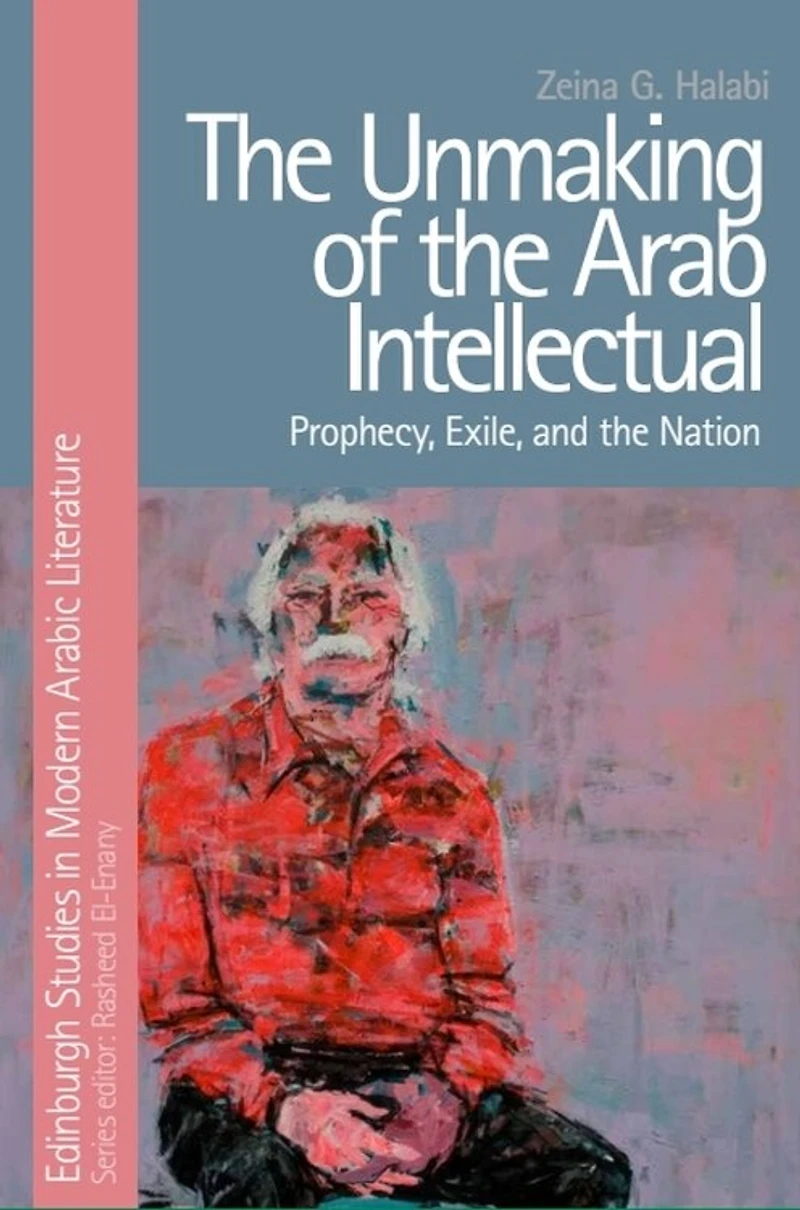
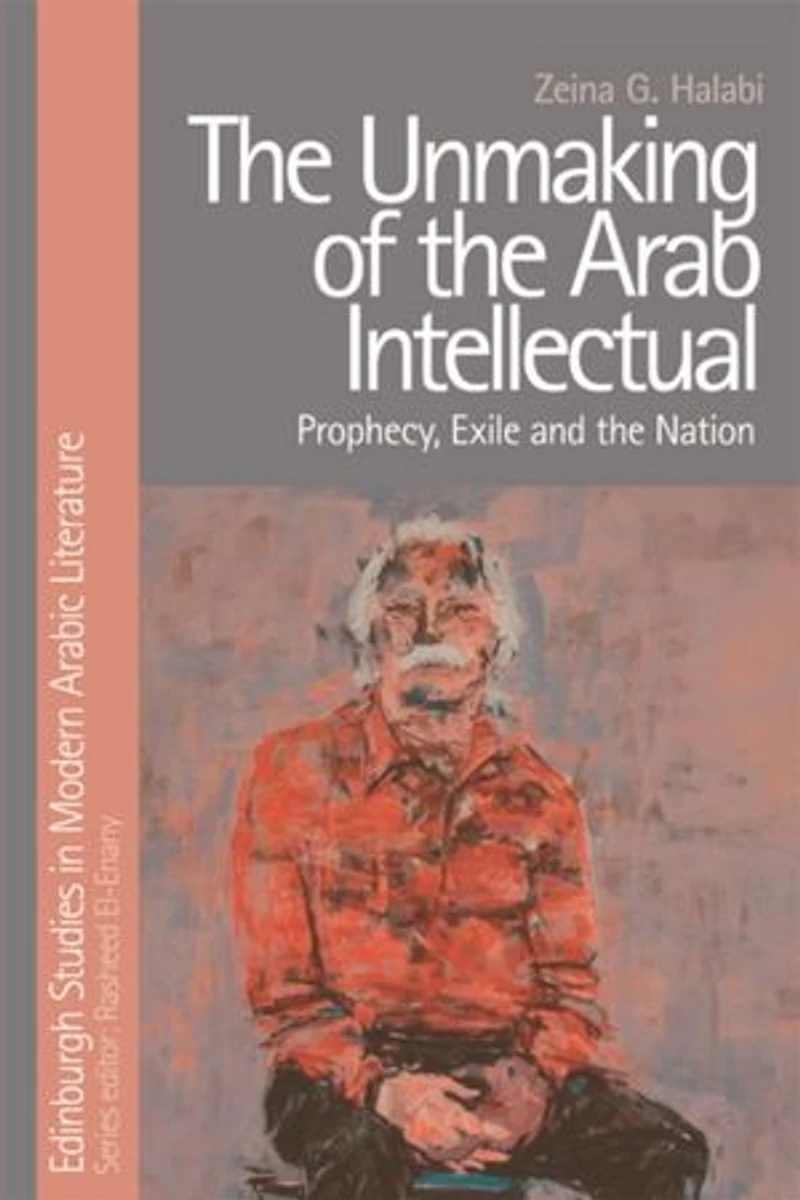
the Unmaking of Arab Intellectual: Prophecy, Exile and Nation
Current price: $157.78

the Unmaking of Arab Intellectual: Prophecy, Exile and Nation
Current price: $157.78
Loading Inventory...
Size: Hardcover
*Product information may vary - to confirm product availability, pricing, shipping and return information please contact Indigo
In this book Zeina G. Halabi examines the figure of the intellectual as prophet, national icon, and exile in contemporary Arabic literature and film. Staging a comparative dialogue with writers and critics such as Elias Khoury, Edward Said, Jurji Zaidan, and Mahmoud Darwish, Halabi focuses on new articulations of loss, displacement, and memory in works by Rabee Jaber, Elia Suleiman, Rawi Hage, Rashid al-Daif, and Seba al-Herz. She argues that the ambivalence and disillusionment with the role of the intellectual in contemporary representations operate as a productive reclaiming of the ‘political’ in an allegedly apolitical context. The Unmaking of the Arab Intellectual offers the critical tools to understand the evolving relations between the intellectual and power, and the author and the text in the hitherto uncharted contemporary era.
In this book Zeina G. Halabi examines the figure of the intellectual as prophet, national icon, and exile in contemporary Arabic literature and film. Staging a comparative dialogue with writers and critics such as Elias Khoury, Edward Said, Jurji Zaidan, and Mahmoud Darwish, Halabi focuses on new articulations of loss, displacement, and memory in works by Rabee Jaber, Elia Suleiman, Rawi Hage, Rashid al-Daif, and Seba al-Herz. She argues that the ambivalence and disillusionment with the role of the intellectual in contemporary representations operate as a productive reclaiming of the ‘political’ in an allegedly apolitical context. The Unmaking of the Arab Intellectual offers the critical tools to understand the evolving relations between the intellectual and power, and the author and the text in the hitherto uncharted contemporary era.
You May Also Like







More About Indigo at Erin Mills Town Centre
The largest book retailer in Canada also offers toys, music, home décor, gifts and lifestyle products. What's Inside...Books, Magazines, CD’s and DVD’s, Toys and Gifts, Home Accents, Electronics, Baby’s and Children’s Section, Bath and Body, Kitchen and Bedroom, Stationary Located outside in the exterior plaza.
5015 Glen Erin Dr, Mississauga, ON L5M 0R7, Canada
Find Indigo at Erin Mills Town Centre in Mississauga ON
Visit Indigo at Erin Mills Town Centre in Mississauga ON