

GIVE THE PERFECT GIFT
Erin Mills Town Centre Gift Cards are the perfect choice for your gift giving needs.Purchase gift cards at kiosks near the food court or centre court, at Guest Services, or click below to purchase online.PURCHASE HEREHome
The Uses of Obscurity: Fiction Early Modernism
Indigo
Loading Inventory...
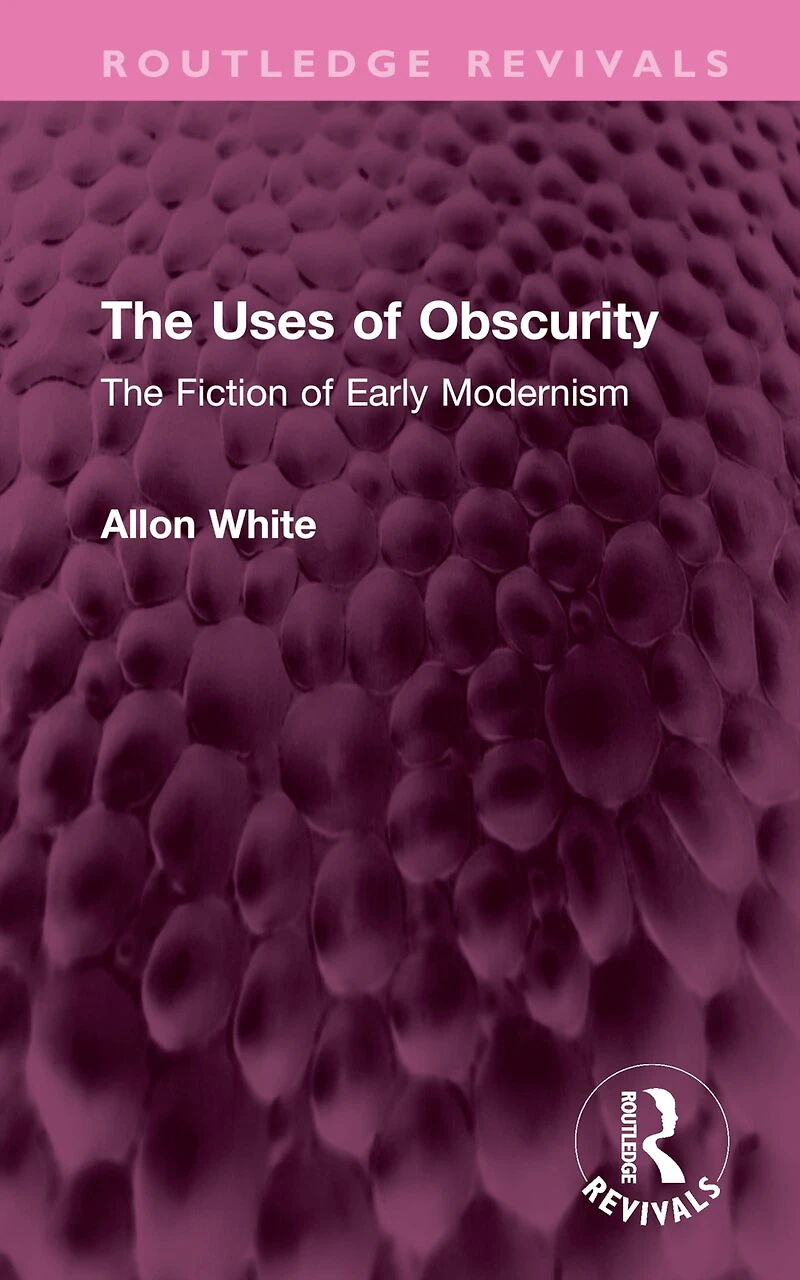
The Uses of Obscurity: Fiction Early Modernism
Current price: $187.95

The Uses of Obscurity: Fiction Early Modernism
Current price: $187.95
Loading Inventory...
Size: Hardcover
*Product information may vary - to confirm product availability, pricing, shipping and return information please contact Indigo
Originally published in 1981, this book examines why and how textual difficulty became a norm of modernist literature and questions how we can begin to account for the forms of obscurity and difficulty which developed in the late 19 th Century and which became so important to modernism. The author argues that the decline of realism entailed the growth of 'symptomatic' or 'subtextual' reading which tended to treat fiction as compromised autobiography. This kind of reading left the author dangerously isolated and exposed in the midst of a newly sophisticated public. Within this general cultural perspective, the book traces the private anxieties that led George Meredith, Joseph Conrad and Henry James to conceal themselves within their complex and resistant fictions. It discusses opacity in the texts themselves - embarrassment and shame in Meredith; 'engimas' in Conrad; and the fear of vulgarity and knowledge in Henry James.
Originally published in 1981, this book examines why and how textual difficulty became a norm of modernist literature and questions how we can begin to account for the forms of obscurity and difficulty which developed in the late 19 th Century and which became so important to modernism. The author argues that the decline of realism entailed the growth of 'symptomatic' or 'subtextual' reading which tended to treat fiction as compromised autobiography. This kind of reading left the author dangerously isolated and exposed in the midst of a newly sophisticated public. Within this general cultural perspective, the book traces the private anxieties that led George Meredith, Joseph Conrad and Henry James to conceal themselves within their complex and resistant fictions. It discusses opacity in the texts themselves - embarrassment and shame in Meredith; 'engimas' in Conrad; and the fear of vulgarity and knowledge in Henry James.
You May Also Like







More About Indigo at Erin Mills Town Centre
The largest book retailer in Canada also offers toys, music, home décor, gifts and lifestyle products. What's Inside...Books, Magazines, CD’s and DVD’s, Toys and Gifts, Home Accents, Electronics, Baby’s and Children’s Section, Bath and Body, Kitchen and Bedroom, Stationary Located outside in the exterior plaza.
5015 Glen Erin Dr, Mississauga, ON L5M 0R7, Canada
Find Indigo at Erin Mills Town Centre in Mississauga ON
Visit Indigo at Erin Mills Town Centre in Mississauga ON