

GIVE THE PERFECT GIFT
Erin Mills Town Centre Gift Cards are the perfect choice for your gift giving needs.Purchase gift cards at kiosks near the food court or centre court, at Guest Services, or click below to purchase online.PURCHASE HEREHome
the Value of Work since 18th Century: Custom, Conflict, Measurement and Theory
Indigo
Loading Inventory...
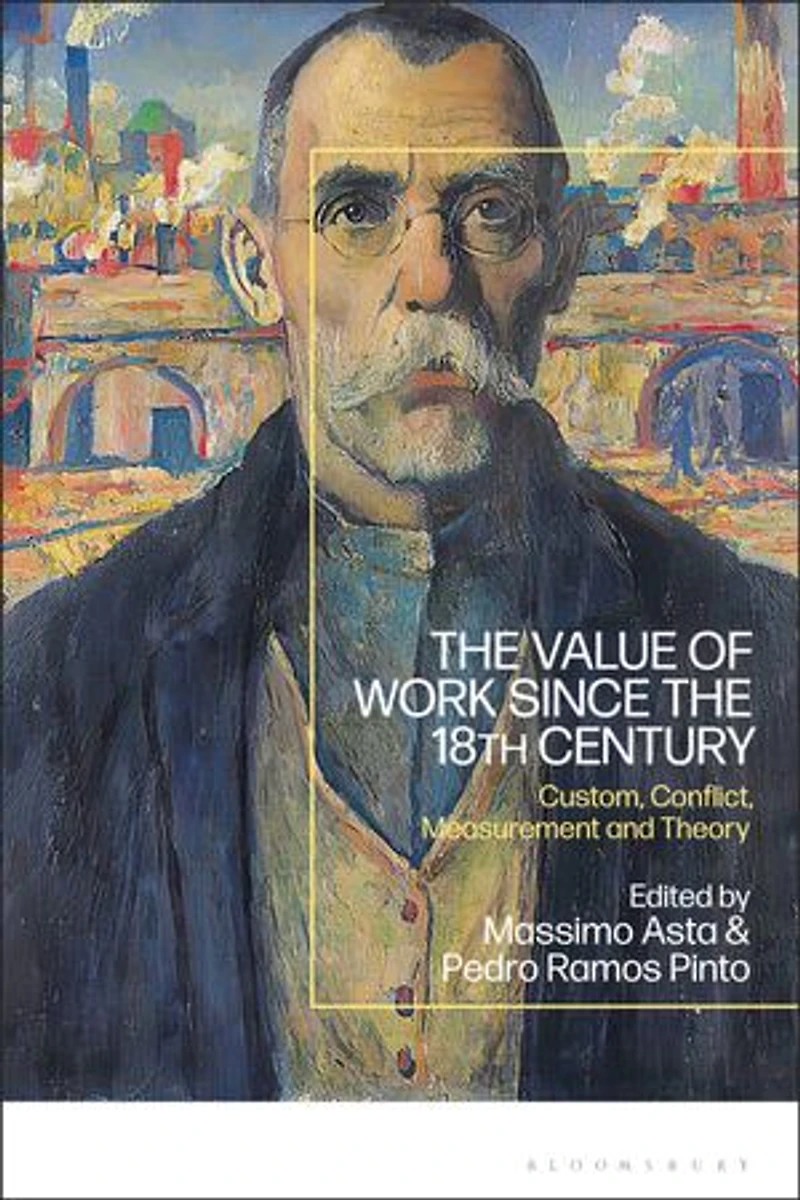
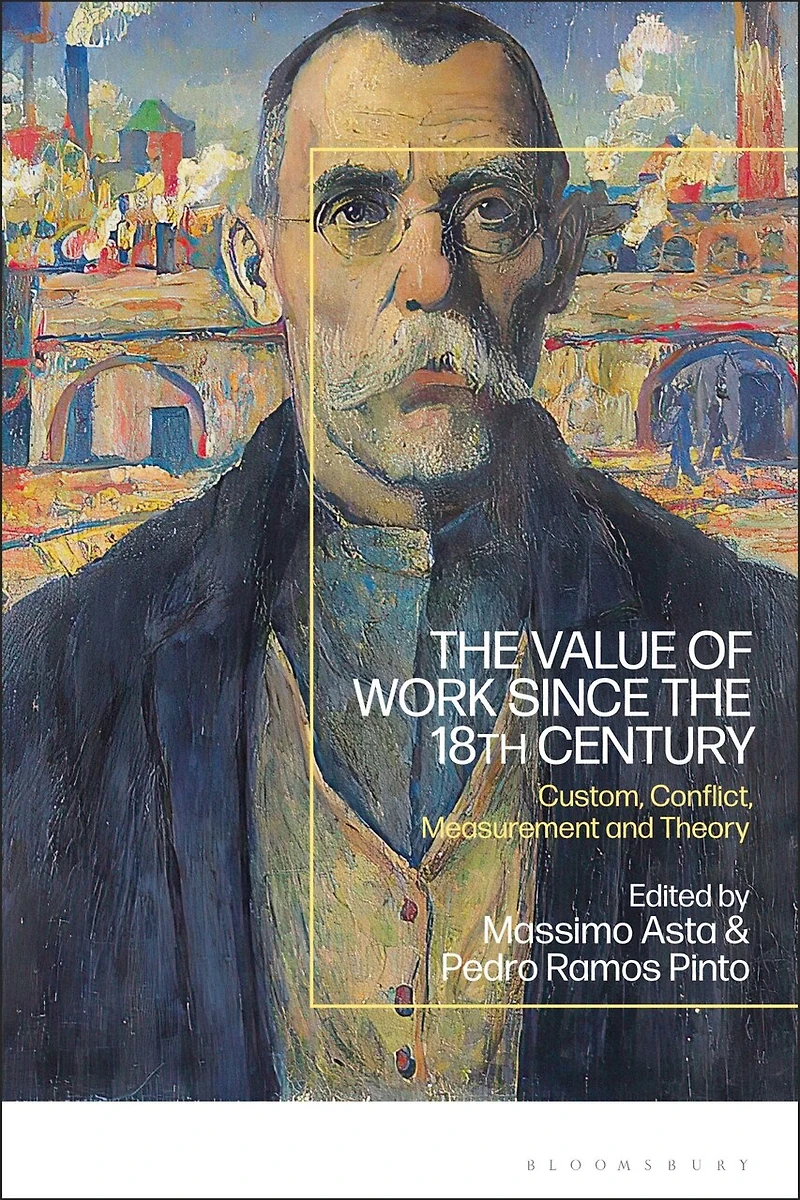
the Value of Work since 18th Century: Custom, Conflict, Measurement and Theory
Current price: $42.19
Original price: $52.65

the Value of Work since 18th Century: Custom, Conflict, Measurement and Theory
Current price: $42.19
Original price: $52.65
Loading Inventory...
Size: Kobo eBook
*Product information may vary - to confirm product availability, pricing, shipping and return information please contact Indigo
Beginning in the 18th century, a turning point in labour history as work encountered an industrialising modernity, this book explores how different forms of work have been valued up to the present day. Focusing on the cultural, intellectual, social and political implications of wages, the chapters in this collection historicise the labour market, conceiving it as complex system of social relations which evolve through time and differ according to space. They show how the level of wages and other forms of remuneration reflect not only marginal productivity and scarcity but also the nature of work relations and wider political, social and economic circumstances. With examples ranging across several centuries and different parts of the globe, it shows how wages are influenced by the specific organization and processes of work, conflict and power, social status and hierarchies between workers, custom and identity, family structure and professional ethics, ideology, politics and policy. Combining quantitative and qualitative approaches The Value of Work since the 18th Century also addresses two interlinked questions; how did theoretical interpretations and techniques of wage measurement emerge and evolve, and to what extent does this matter in understanding the social and political history of work?
Beginning in the 18th century, a turning point in labour history as work encountered an industrialising modernity, this book explores how different forms of work have been valued up to the present day. Focusing on the cultural, intellectual, social and political implications of wages, the chapters in this collection historicise the labour market, conceiving it as complex system of social relations which evolve through time and differ according to space. They show how the level of wages and other forms of remuneration reflect not only marginal productivity and scarcity but also the nature of work relations and wider political, social and economic circumstances. With examples ranging across several centuries and different parts of the globe, it shows how wages are influenced by the specific organization and processes of work, conflict and power, social status and hierarchies between workers, custom and identity, family structure and professional ethics, ideology, politics and policy. Combining quantitative and qualitative approaches The Value of Work since the 18th Century also addresses two interlinked questions; how did theoretical interpretations and techniques of wage measurement emerge and evolve, and to what extent does this matter in understanding the social and political history of work?
You May Also Like
















More About Indigo at Erin Mills Town Centre
The largest book retailer in Canada also offers toys, music, home décor, gifts and lifestyle products. What's Inside...Books, Magazines, CD’s and DVD’s, Toys and Gifts, Home Accents, Electronics, Baby’s and Children’s Section, Bath and Body, Kitchen and Bedroom, Stationary Located outside in the exterior plaza.
5015 Glen Erin Dr, Mississauga, ON L5M 0R7, Canada
Find Indigo at Erin Mills Town Centre in Mississauga ON
Visit Indigo at Erin Mills Town Centre in Mississauga ON