

GIVE THE PERFECT GIFT
Erin Mills Town Centre Gift Cards are the perfect choice for your gift giving needs.Purchase gift cards at kiosks near the food court or centre court, at Guest Services, or click below to purchase online.PURCHASE HEREHome
the Will of People: Populism and Citizen Participation Latin America
Indigo
Loading Inventory...
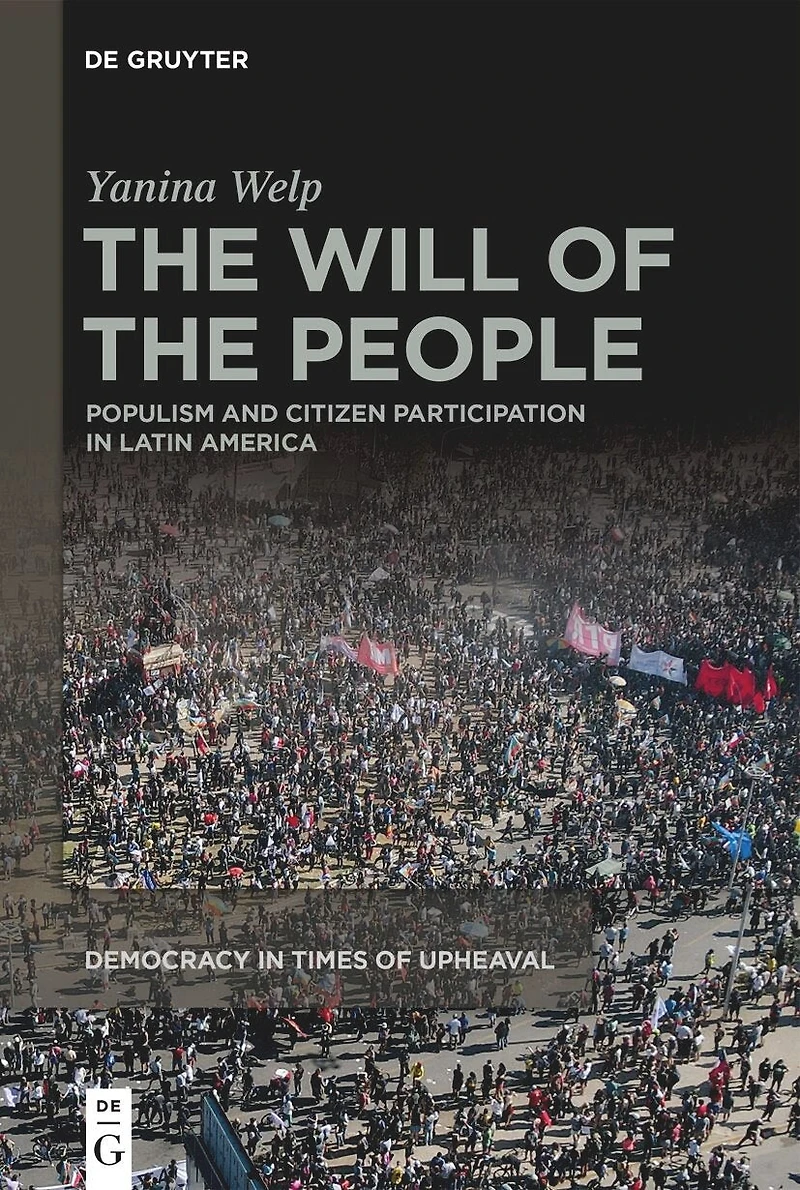
the Will of People: Populism and Citizen Participation Latin America
Current price: $165.99

the Will of People: Populism and Citizen Participation Latin America
Current price: $165.99
Loading Inventory...
Size: Hardcover
*Product information may vary - to confirm product availability, pricing, shipping and return information please contact Indigo
The Will of the People: Populism and Citizen Participation in Latin America argues that while populist leaders typically claim to speak 'in the name of the people', they rarely allow the people to express their opinion independently through institutions of citizen participation. The argument is rooted in theoretical discussions and empirical analyses of trends and specific cases. The volume deals with the following questions: Why is populism so prolific in the Latin American region? How and where do populist leaders arrive to power? Is there a connection between populism and fascism as claimed by negative views of Argentinian Peronism? Are populist leaders more keen on introducing mechanisms of direct citizen participation? Are the erosions of the political party system an explanation of the emergence of populism, as seems to be the case with Fujimorism in Peru? To what extent have the governments of Hugo Chávez, Evo Morales and Rafael Correa given voice to the people through the so-called participatory democracy?
The Will of the People: Populism and Citizen Participation in Latin America argues that while populist leaders typically claim to speak 'in the name of the people', they rarely allow the people to express their opinion independently through institutions of citizen participation. The argument is rooted in theoretical discussions and empirical analyses of trends and specific cases. The volume deals with the following questions: Why is populism so prolific in the Latin American region? How and where do populist leaders arrive to power? Is there a connection between populism and fascism as claimed by negative views of Argentinian Peronism? Are populist leaders more keen on introducing mechanisms of direct citizen participation? Are the erosions of the political party system an explanation of the emergence of populism, as seems to be the case with Fujimorism in Peru? To what extent have the governments of Hugo Chávez, Evo Morales and Rafael Correa given voice to the people through the so-called participatory democracy?
You May Also Like








More About Indigo at Erin Mills Town Centre
The largest book retailer in Canada also offers toys, music, home décor, gifts and lifestyle products. What's Inside...Books, Magazines, CD’s and DVD’s, Toys and Gifts, Home Accents, Electronics, Baby’s and Children’s Section, Bath and Body, Kitchen and Bedroom, Stationary Located outside in the exterior plaza.
5015 Glen Erin Dr, Mississauga, ON L5M 0R7, Canada
Find Indigo at Erin Mills Town Centre in Mississauga ON
Visit Indigo at Erin Mills Town Centre in Mississauga ON