

GIVE THE PERFECT GIFT
Erin Mills Town Centre Gift Cards are the perfect choice for your gift giving needs.Purchase gift cards at kiosks near the food court or centre court, at Guest Services, or click below to purchase online.PURCHASE HEREHome
the Working Man's Reward: Chicago's Early Suburbs and Roots of American Sprawl
Indigo
Loading Inventory...
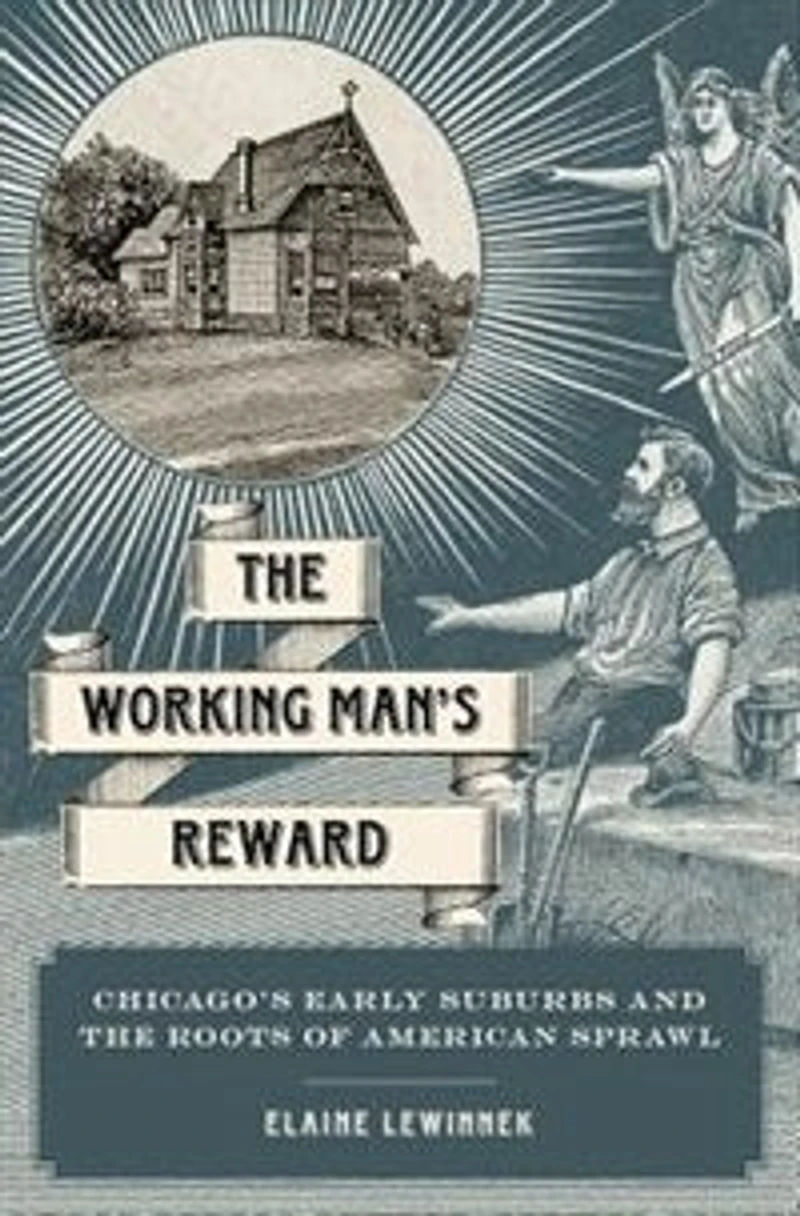
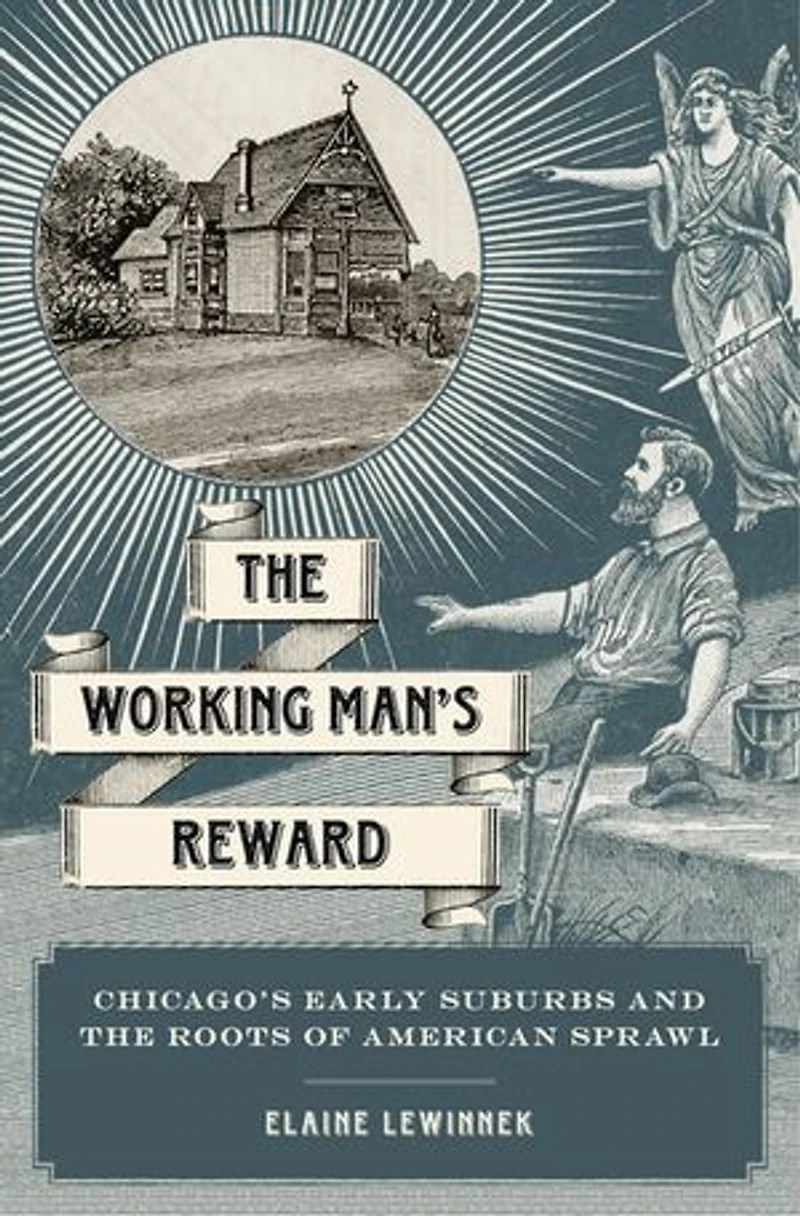
the Working Man's Reward: Chicago's Early Suburbs and Roots of American Sprawl
Current price: $59.50

the Working Man's Reward: Chicago's Early Suburbs and Roots of American Sprawl
Current price: $59.50
Loading Inventory...
Size: Hardcover
*Product information may vary - to confirm product availability, pricing, shipping and return information please contact Indigo
Between the 1860s and 1920s, Chicago's working-class immigrants designed the American dream of home-ownership. They imagined homes as small businesses, homes that were simultaneously a consumer-oriented respite from work and a productive space that workers hoped to control. Leapfrogging out of town along with Chicago's assembly-line factories, Chicago's early suburbs were remarkably diverse. These suburbs were marketed with the elusive promise that homeownership might offer some bulwark against the vicissitudes of industrial capitalism, that homes might be "better than a bank for a poor man," in the words of one evocative advertisement, and "the working man's reward."
This promise evolved into what Lewinnek terms "the mortgages of whiteness:" the hope that property values might increase if that property could be kept white. Suburbs also developed through nineteenth-century notions of the gendered respectability of domesticity, early ideas about city planning and land economics, as well as an evolving twentieth-century discourse about the racial attributes of property values. Because Chicago presented itself as a paradigmatic American city and because numerous Chicago-based experts eventually instituted national real-estate programs, Chicago's early growth affected the growth of twentieth-century America.
Framed by two working-class riots against suburbanization in 1872 and 1919, spurred from both above and below, this work shows how Chicagoans helped form America's urban sprawl and examines the roots of America's suburbanization, synthesizing the new suburban history into the diversity of America's suburbs.
Between the 1860s and 1920s, Chicago's working-class immigrants designed the American dream of home-ownership. They imagined homes as small businesses, homes that were simultaneously a consumer-oriented respite from work and a productive space that workers hoped to control. Leapfrogging out of town along with Chicago's assembly-line factories, Chicago's early suburbs were remarkably diverse. These suburbs were marketed with the elusive promise that homeownership might offer some bulwark against the vicissitudes of industrial capitalism, that homes might be "better than a bank for a poor man," in the words of one evocative advertisement, and "the working man's reward."
This promise evolved into what Lewinnek terms "the mortgages of whiteness:" the hope that property values might increase if that property could be kept white. Suburbs also developed through nineteenth-century notions of the gendered respectability of domesticity, early ideas about city planning and land economics, as well as an evolving twentieth-century discourse about the racial attributes of property values. Because Chicago presented itself as a paradigmatic American city and because numerous Chicago-based experts eventually instituted national real-estate programs, Chicago's early growth affected the growth of twentieth-century America.
Framed by two working-class riots against suburbanization in 1872 and 1919, spurred from both above and below, this work shows how Chicagoans helped form America's urban sprawl and examines the roots of America's suburbanization, synthesizing the new suburban history into the diversity of America's suburbs.
You May Also Like












More About Indigo at Erin Mills Town Centre
The largest book retailer in Canada also offers toys, music, home décor, gifts and lifestyle products. What's Inside...Books, Magazines, CD’s and DVD’s, Toys and Gifts, Home Accents, Electronics, Baby’s and Children’s Section, Bath and Body, Kitchen and Bedroom, Stationary Located outside in the exterior plaza.
5015 Glen Erin Dr, Mississauga, ON L5M 0R7, Canada
Find Indigo at Erin Mills Town Centre in Mississauga ON
Visit Indigo at Erin Mills Town Centre in Mississauga ON