

GIVE THE PERFECT GIFT
Erin Mills Town Centre Gift Cards are the perfect choice for your gift giving needs.Purchase gift cards at kiosks near the food court or centre court, at Guest Services, or click below to purchase online.PURCHASE HEREHome
Theaetetus
Indigo
Loading Inventory...
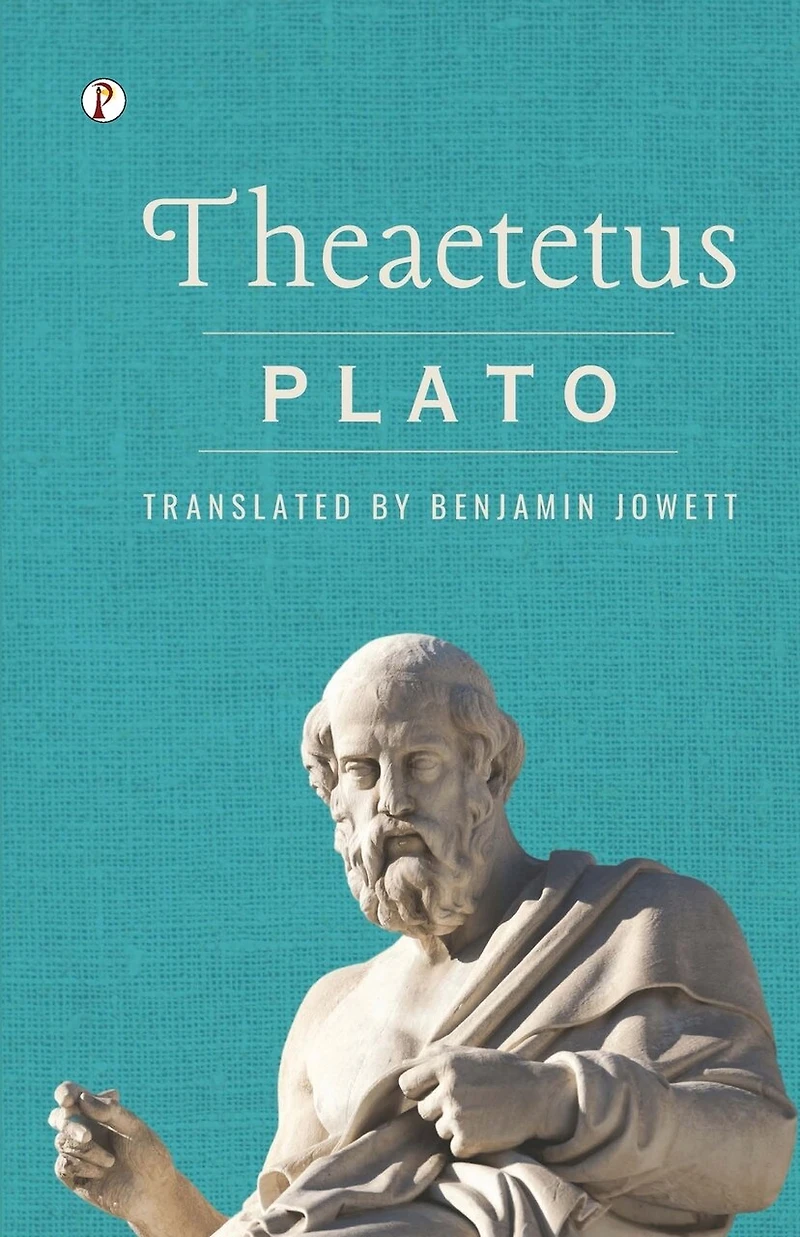
Theaetetus
Current price: $19.99

Theaetetus
Current price: $19.99
Loading Inventory...
Size: Paperback
*Product information may vary - to confirm product availability, pricing, shipping and return information please contact Indigo
Plato's Theaetetus is a philosophical dialogue that explores the nature of knowledge, perception, and the definition of truth. It takes its name from its central character, Theaetetus, a young mathematician whose understanding of knowledge is challenged and examined by Socrates. Through a series of thought experiments and philosophical arguments, Plato explores different theories of knowledge, including sensory perception, rationalism, and the nature of concepts and definitions. The dialogue delves into topics such as the role of perception in acquiring knowledge, the relationship between true belief and knowledge, and the limitations of human understanding. The dialogue challenges conventional notions of knowledge and invites readers to critically examine their own understanding of truth and certainty. It remains a significant work in the field of epistemology and continues to influence discussions on the nature of knowledge and perception.
Plato's Theaetetus is a philosophical dialogue that explores the nature of knowledge, perception, and the definition of truth. It takes its name from its central character, Theaetetus, a young mathematician whose understanding of knowledge is challenged and examined by Socrates. Through a series of thought experiments and philosophical arguments, Plato explores different theories of knowledge, including sensory perception, rationalism, and the nature of concepts and definitions. The dialogue delves into topics such as the role of perception in acquiring knowledge, the relationship between true belief and knowledge, and the limitations of human understanding. The dialogue challenges conventional notions of knowledge and invites readers to critically examine their own understanding of truth and certainty. It remains a significant work in the field of epistemology and continues to influence discussions on the nature of knowledge and perception.
You May Also Like


















More About Indigo at Erin Mills Town Centre
The largest book retailer in Canada also offers toys, music, home décor, gifts and lifestyle products. What's Inside...Books, Magazines, CD’s and DVD’s, Toys and Gifts, Home Accents, Electronics, Baby’s and Children’s Section, Bath and Body, Kitchen and Bedroom, Stationary Located outside in the exterior plaza.
5015 Glen Erin Dr, Mississauga, ON L5M 0R7, Canada
Find Indigo at Erin Mills Town Centre in Mississauga ON
Visit Indigo at Erin Mills Town Centre in Mississauga ON