

GIVE THE PERFECT GIFT
Erin Mills Town Centre Gift Cards are the perfect choice for your gift giving needs.Purchase gift cards at kiosks near the food court or centre court, at Guest Services, or click below to purchase online.PURCHASE HEREHome
Theology, Comedy, Politics
Indigo
Loading Inventory...
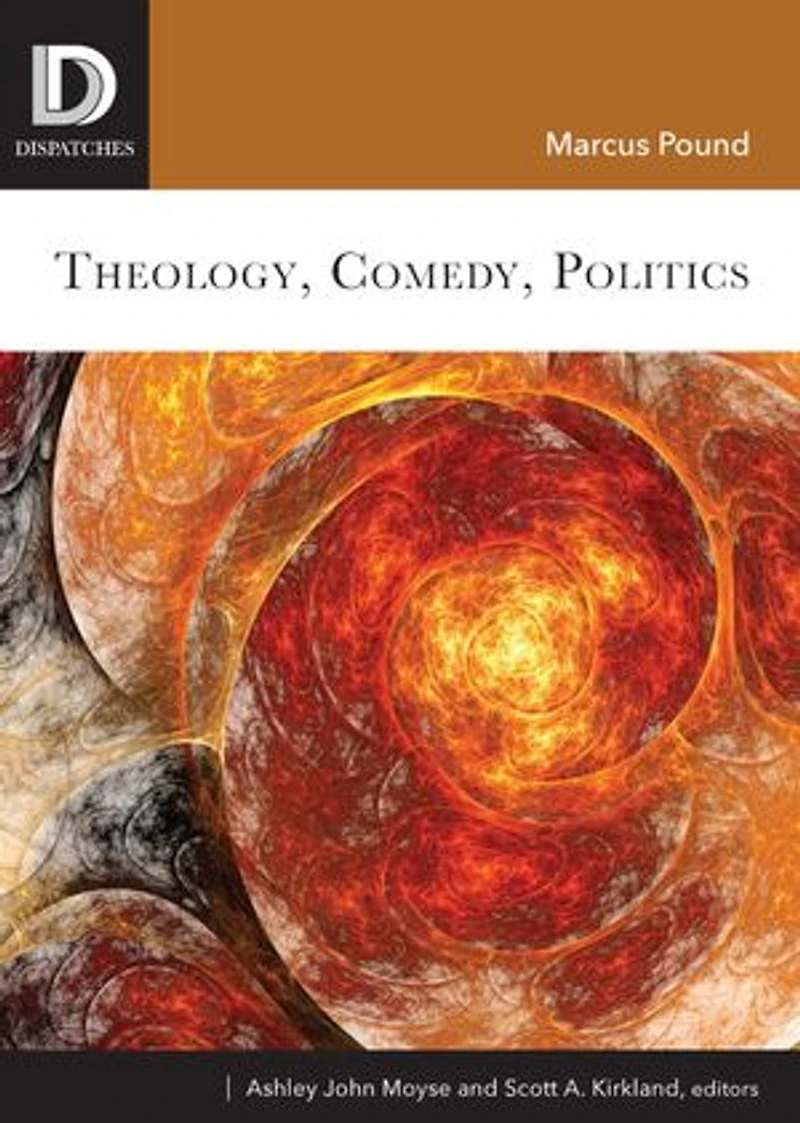
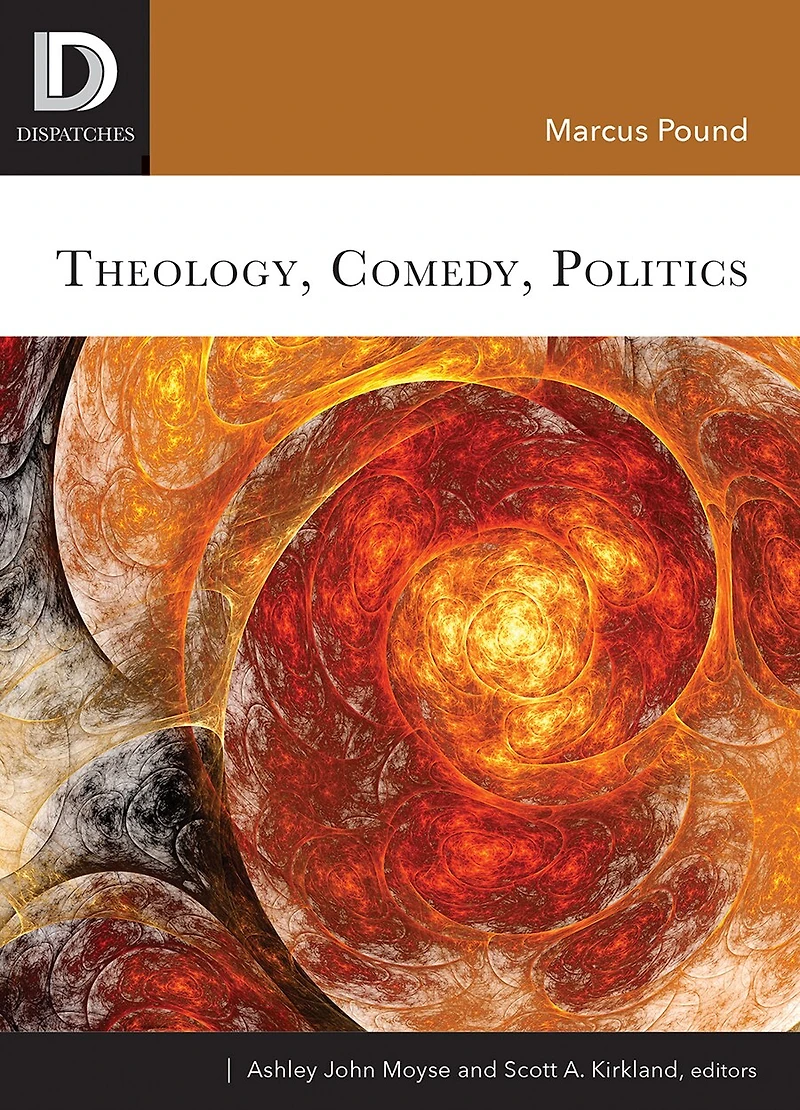
Theology, Comedy, Politics
Current price: $18.39
Original price: $22.99

Theology, Comedy, Politics
Current price: $18.39
Original price: $22.99
Loading Inventory...
Size: Kobo eBook
*Product information may vary - to confirm product availability, pricing, shipping and return information please contact Indigo
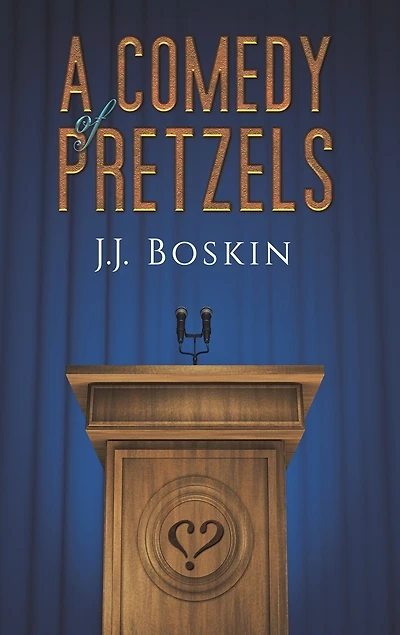
What relevance has comedy for the global crises of late-modernity and the theological critique thereof? Coming out of the experience of war, a generation of modern theologians such as Donald MacKinnon, Hans Urs von Balthasar, and, more recently, Rowan Williams, in their accommodation to literature, choose tragedy as the paradigm for theological understanding and ethics. By contrast, this book develops recent philosophical, anthropological, and psychoanalytical studies of humor to develop a theology of comedy. By deconstructing secular accounts of comedy it advances the argument that comedy is not only participatory of the divine, but that it should inform our thinking about liturgical, sacramental, and ecclesial life if we are to respond to the postmodern age in which having fun is an ideological imperative of market forces.
What relevance has comedy for the global crises of late-modernity and the theological critique thereof? Coming out of the experience of war, a generation of modern theologians such as Donald MacKinnon, Hans Urs von Balthasar, and, more recently, Rowan Williams, in their accommodation to literature, choose tragedy as the paradigm for theological understanding and ethics. By contrast, this book develops recent philosophical, anthropological, and psychoanalytical studies of humor to develop a theology of comedy. By deconstructing secular accounts of comedy it advances the argument that comedy is not only participatory of the divine, but that it should inform our thinking about liturgical, sacramental, and ecclesial life if we are to respond to the postmodern age in which having fun is an ideological imperative of market forces.
You May Also Like







More About Indigo at Erin Mills Town Centre
The largest book retailer in Canada also offers toys, music, home décor, gifts and lifestyle products. What's Inside...Books, Magazines, CD’s and DVD’s, Toys and Gifts, Home Accents, Electronics, Baby’s and Children’s Section, Bath and Body, Kitchen and Bedroom, Stationary Located outside in the exterior plaza.
5015 Glen Erin Dr, Mississauga, ON L5M 0R7, Canada
Find Indigo at Erin Mills Town Centre in Mississauga ON
Visit Indigo at Erin Mills Town Centre in Mississauga ON