

GIVE THE PERFECT GIFT
Erin Mills Town Centre Gift Cards are the perfect choice for your gift giving needs.Purchase gift cards at kiosks near the food court or centre court, at Guest Services, or click below to purchase online.PURCHASE HEREHome
Theory, History, and the Study of Religion in Late Antiquity: Speculative Worlds
Indigo
Loading Inventory...
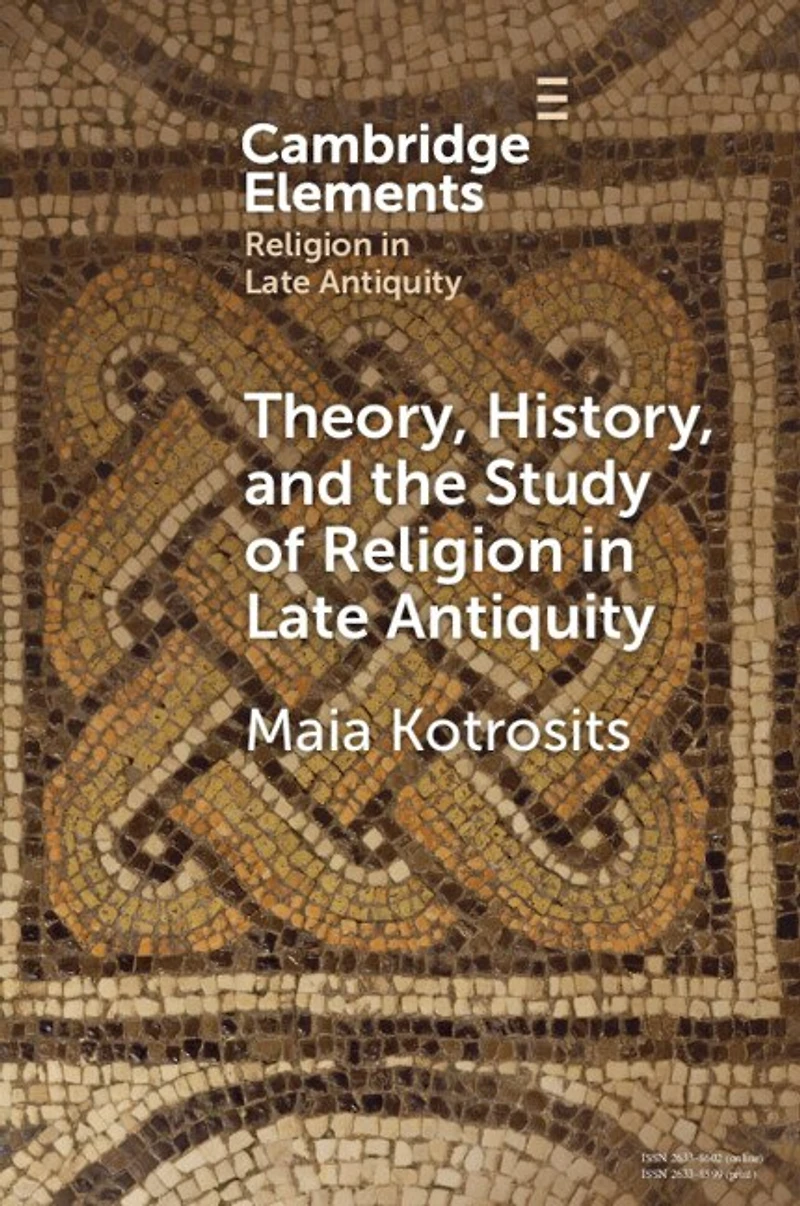
Theory, History, and the Study of Religion in Late Antiquity: Speculative Worlds
Current price: $29.54

Theory, History, and the Study of Religion in Late Antiquity: Speculative Worlds
Current price: $29.54
Loading Inventory...
Size: Paperback
*Product information may vary - to confirm product availability, pricing, shipping and return information please contact Indigo
Theory is not a set of texts, it is a style of approach. It is to engage in the act of speculation: gestures of abstraction that re-imagine and dramatize the crises of living. This Element is a both a primer for understanding some of the more predominant strands of critical theory in the study of religion in late antiquity, and a history of speculative leaps in the field. It is a history of dilemmas that the field has tried to work out again and again - questions about subjectivity, the body, agency, violence, and power. This Element additionally presses us on the ethical stakes of our uses of theory, and asks how the field's interests in theory help us understand what's going on, half-spoken, in the disciplinary unconscious.
Theory is not a set of texts, it is a style of approach. It is to engage in the act of speculation: gestures of abstraction that re-imagine and dramatize the crises of living. This Element is a both a primer for understanding some of the more predominant strands of critical theory in the study of religion in late antiquity, and a history of speculative leaps in the field. It is a history of dilemmas that the field has tried to work out again and again - questions about subjectivity, the body, agency, violence, and power. This Element additionally presses us on the ethical stakes of our uses of theory, and asks how the field's interests in theory help us understand what's going on, half-spoken, in the disciplinary unconscious.
You May Also Like







More About Indigo at Erin Mills Town Centre
The largest book retailer in Canada also offers toys, music, home décor, gifts and lifestyle products. What's Inside...Books, Magazines, CD’s and DVD’s, Toys and Gifts, Home Accents, Electronics, Baby’s and Children’s Section, Bath and Body, Kitchen and Bedroom, Stationary Located outside in the exterior plaza.
5015 Glen Erin Dr, Mississauga, ON L5M 0R7, Canada
Find Indigo at Erin Mills Town Centre in Mississauga ON
Visit Indigo at Erin Mills Town Centre in Mississauga ON