

GIVE THE PERFECT GIFT
Erin Mills Town Centre Gift Cards are the perfect choice for your gift giving needs.Purchase gift cards at kiosks near the food court or centre court, at Guest Services, or click below to purchase online.PURCHASE HEREHome
There's More Leaves on the Tree
Indigo
Loading Inventory...
There's More Leaves on the Tree
Current price: $17.99
Original price: $21.99

There's More Leaves on the Tree
Current price: $17.99
Original price: $21.99
Loading Inventory...
Size: Kobo eBook
*Product information may vary - to confirm product availability, pricing, shipping and return information please contact Indigo
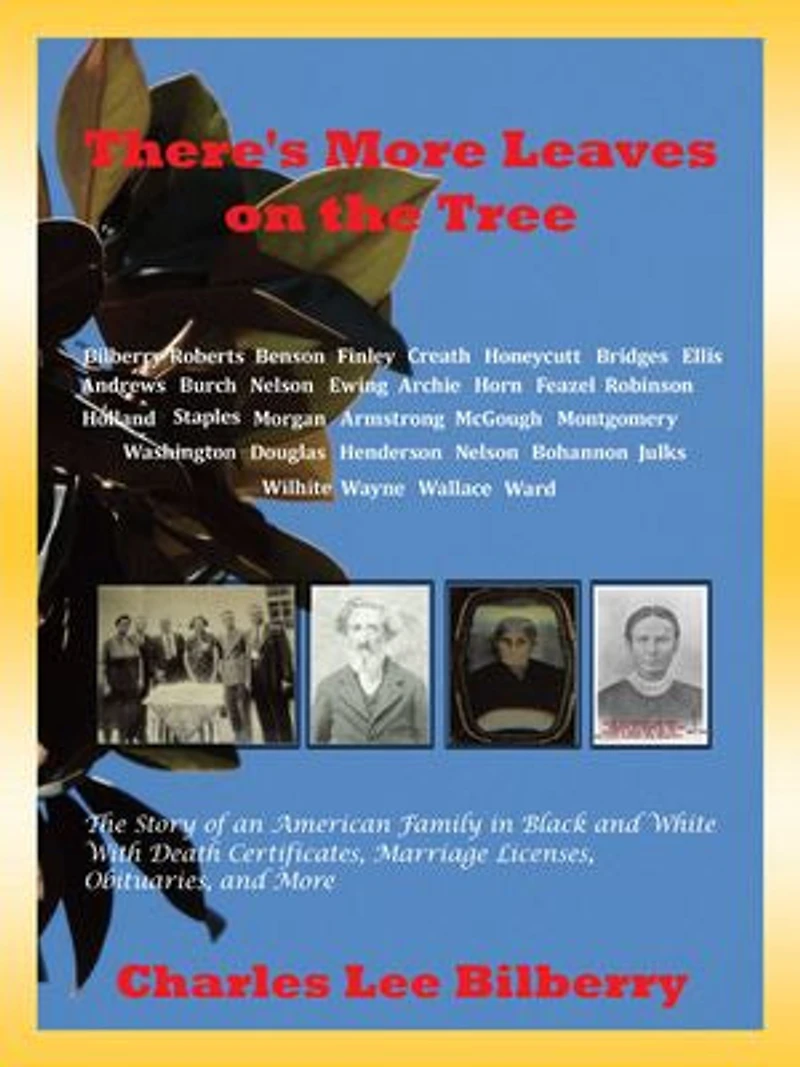
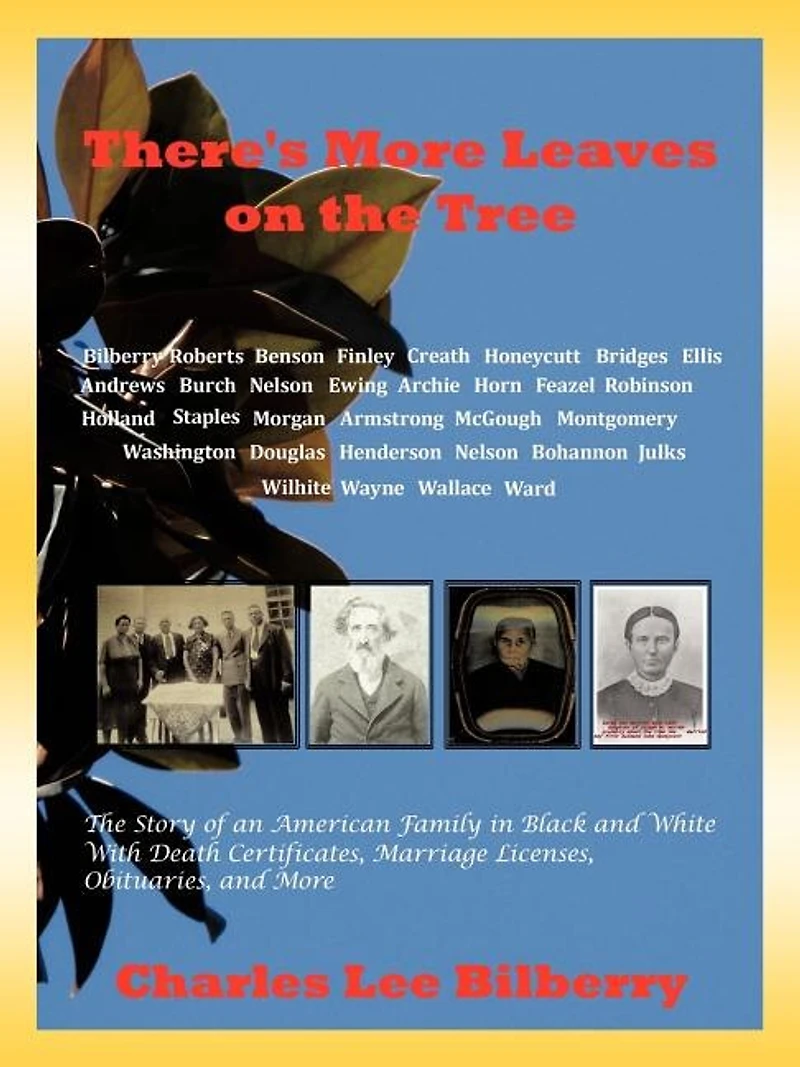
There's More Leaves on the Tree is about the author's 14 year journey in search of his great grandfather's Frank Bilberry's white father and African American mother. The book starts out with a visit to his grandfather's Ladell Bilberry old home site. The visit reveal that the old home site was now overtaken by the forest where it can barely be found any longer. The home he knew as a child has now fallen down with a few remnants left from the past. It was a place where his ancestral family and extended families once bought land raised and sold crops to make the best living they could. He reminiscences about how his mother and father once lived in this area. His mother really didn't like living on a farm and designed a way to convince her husband to move closer to the town of Marion, Louisiana. The author writes a chapter about "The End of Jim Crow Education" in Union Parish, Louisiana. He recalls how the Plessey vs Ferguson doctrine of 1896 and the Brown vs Education doctrine of 1954 co-existed at the same time. One law allowed African Americans to have separate but equal facilities as Whites but in 1954 the Brown vs Board of Education stated it was acceptable to go to the same schools. The book delineates the struggle his high school, the community and the Union Parish School Board had in trying to reconcile this dilemma when it was time for the senior class to graduate in 1970. The Bilberry surname originated from White immigrants from Alabama who made their way to the rich fertile land of Union Parish, Louisiana. Most of them bought land, raised and sold crops to make their living. Many owned slaves. Slaves were valuable property to the slave owners. Many mulatto children were fathered by slave owners with the slave female. It was not uncommon for this to continue after the emancipation of the slaves. The latter is the case with Frank Bilberry. He was born circa 1878 to a former slave holder that lived near his mother's family. His white father sired several other sister and brothers other slave and former wome. Like many other slaves of South several slaves used the surname Bilberry after their master's name after being emancipated. The book is filled with pictures that follows along with the story of the book. It has an extensive appendix at the end of the book that includes death certificates, marriage licenses, land patents, obituaries and photographs of both white and black Bilberry's and their extended families (Honeycutts, Horn, Nelson, Bridges, Feazel, Wilhite, Warren, Burch, Ellis, Archie, Armstrong, Roberts, Robinson, Montgomery and more) of Union Parish, Louisiana. Every Family has a family story to tell but someone must be willing to tell it.
There's More Leaves on the Tree is about the author's 14 year journey in search of his great grandfather's Frank Bilberry's white father and African American mother. The book starts out with a visit to his grandfather's Ladell Bilberry old home site. The visit reveal that the old home site was now overtaken by the forest where it can barely be found any longer. The home he knew as a child has now fallen down with a few remnants left from the past. It was a place where his ancestral family and extended families once bought land raised and sold crops to make the best living they could. He reminiscences about how his mother and father once lived in this area. His mother really didn't like living on a farm and designed a way to convince her husband to move closer to the town of Marion, Louisiana. The author writes a chapter about "The End of Jim Crow Education" in Union Parish, Louisiana. He recalls how the Plessey vs Ferguson doctrine of 1896 and the Brown vs Education doctrine of 1954 co-existed at the same time. One law allowed African Americans to have separate but equal facilities as Whites but in 1954 the Brown vs Board of Education stated it was acceptable to go to the same schools. The book delineates the struggle his high school, the community and the Union Parish School Board had in trying to reconcile this dilemma when it was time for the senior class to graduate in 1970. The Bilberry surname originated from White immigrants from Alabama who made their way to the rich fertile land of Union Parish, Louisiana. Most of them bought land, raised and sold crops to make their living. Many owned slaves. Slaves were valuable property to the slave owners. Many mulatto children were fathered by slave owners with the slave female. It was not uncommon for this to continue after the emancipation of the slaves. The latter is the case with Frank Bilberry. He was born circa 1878 to a former slave holder that lived near his mother's family. His white father sired several other sister and brothers other slave and former wome. Like many other slaves of South several slaves used the surname Bilberry after their master's name after being emancipated. The book is filled with pictures that follows along with the story of the book. It has an extensive appendix at the end of the book that includes death certificates, marriage licenses, land patents, obituaries and photographs of both white and black Bilberry's and their extended families (Honeycutts, Horn, Nelson, Bridges, Feazel, Wilhite, Warren, Burch, Ellis, Archie, Armstrong, Roberts, Robinson, Montgomery and more) of Union Parish, Louisiana. Every Family has a family story to tell but someone must be willing to tell it.
You May Also Like








More About Indigo at Erin Mills Town Centre
The largest book retailer in Canada also offers toys, music, home décor, gifts and lifestyle products. What's Inside...Books, Magazines, CD’s and DVD’s, Toys and Gifts, Home Accents, Electronics, Baby’s and Children’s Section, Bath and Body, Kitchen and Bedroom, Stationary Located outside in the exterior plaza.
5015 Glen Erin Dr, Mississauga, ON L5M 0R7, Canada
Find Indigo at Erin Mills Town Centre in Mississauga ON
Visit Indigo at Erin Mills Town Centre in Mississauga ON