

GIVE THE PERFECT GIFT
Erin Mills Town Centre Gift Cards are the perfect choice for your gift giving needs.Purchase gift cards at kiosks near the food court or centre court, at Guest Services, or click below to purchase online.PURCHASE HEREHome
This Poor Book: A Poem
Indigo
Loading Inventory...
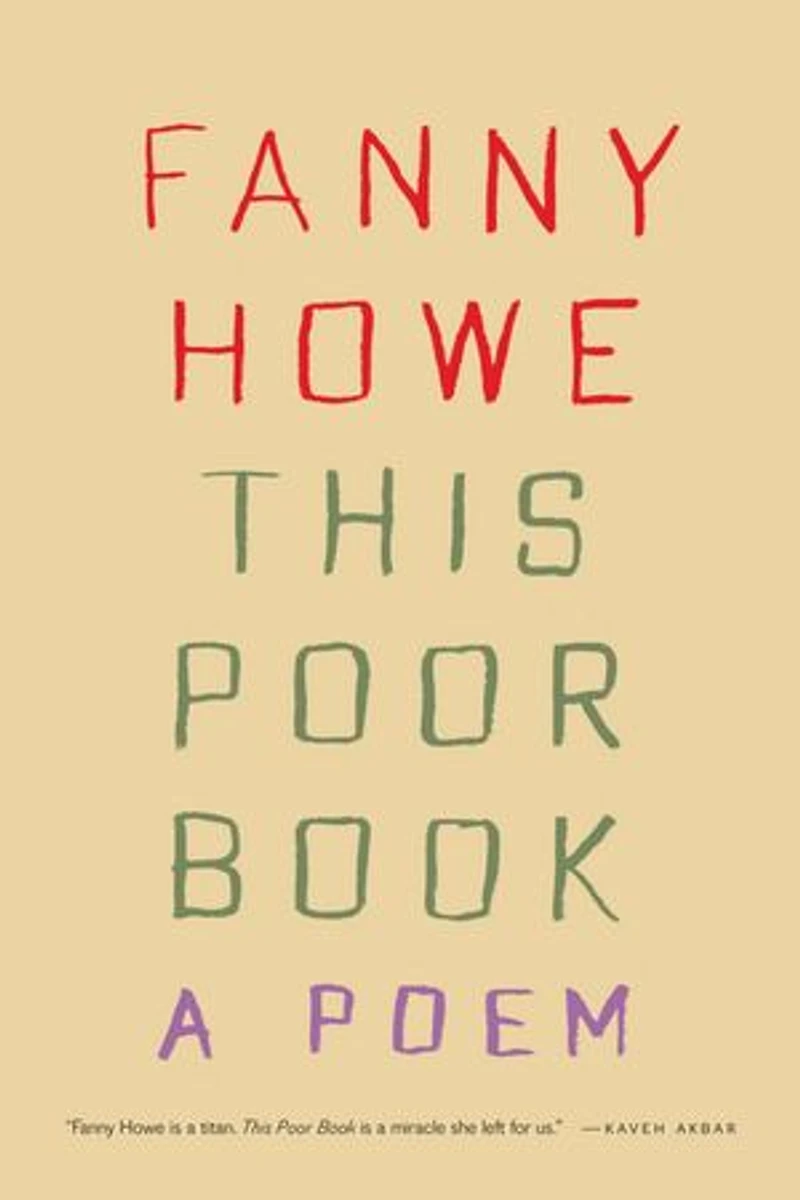
This Poor Book: A Poem
Current price: $16.99

This Poor Book: A Poem
Current price: $16.99
Loading Inventory...
Size: Kobo eBook
*Product information may vary - to confirm product availability, pricing, shipping and return information please contact Indigo
Celebrated poet Fanny Howe’s final book, a kaleidoscopic recasting of her twenty-first-century poems
For decades, Fanny Howe has been our great poet of spirit and conscience, dislocation and bewilderment. In This Poor Book , completed just before her death, she has gathered a selection of poems and excerpts from the last thirty years, including new and revised poems, and has arranged them into an astonishing singular poem. Across this brilliant reconfiguration of her work, we follow the poet as seeker, both faithful and foolish, searching for language and existence beyond the machines of economy, judgment, and war. Howe interrogates the contradiction and violence of the twenty-first century, the misbegotten experiences that have given rise to a culture of authority and adulthood rather than one of innocence and childhood.
These spare lyrical shards move with a jagged but persistent direction—leading us between doubt and belief and toward Howe’s enduring vision for a life of humility, justice, and imagination.
Celebrated poet Fanny Howe’s final book, a kaleidoscopic recasting of her twenty-first-century poems
For decades, Fanny Howe has been our great poet of spirit and conscience, dislocation and bewilderment. In This Poor Book , completed just before her death, she has gathered a selection of poems and excerpts from the last thirty years, including new and revised poems, and has arranged them into an astonishing singular poem. Across this brilliant reconfiguration of her work, we follow the poet as seeker, both faithful and foolish, searching for language and existence beyond the machines of economy, judgment, and war. Howe interrogates the contradiction and violence of the twenty-first century, the misbegotten experiences that have given rise to a culture of authority and adulthood rather than one of innocence and childhood.
These spare lyrical shards move with a jagged but persistent direction—leading us between doubt and belief and toward Howe’s enduring vision for a life of humility, justice, and imagination.
You May Also Like







More About Indigo at Erin Mills Town Centre
The largest book retailer in Canada also offers toys, music, home décor, gifts and lifestyle products. What's Inside...Books, Magazines, CD’s and DVD’s, Toys and Gifts, Home Accents, Electronics, Baby’s and Children’s Section, Bath and Body, Kitchen and Bedroom, Stationary Located outside in the exterior plaza.
5015 Glen Erin Dr, Mississauga, ON L5M 0R7, Canada
Find Indigo at Erin Mills Town Centre in Mississauga ON
Visit Indigo at Erin Mills Town Centre in Mississauga ON