

GIVE THE PERFECT GIFT
Erin Mills Town Centre Gift Cards are the perfect choice for your gift giving needs.Purchase gift cards at kiosks near the food court or centre court, at Guest Services, or click below to purchase online.PURCHASE HEREHome
Thomas Heywood and the classical tradition
Indigo
Loading Inventory...
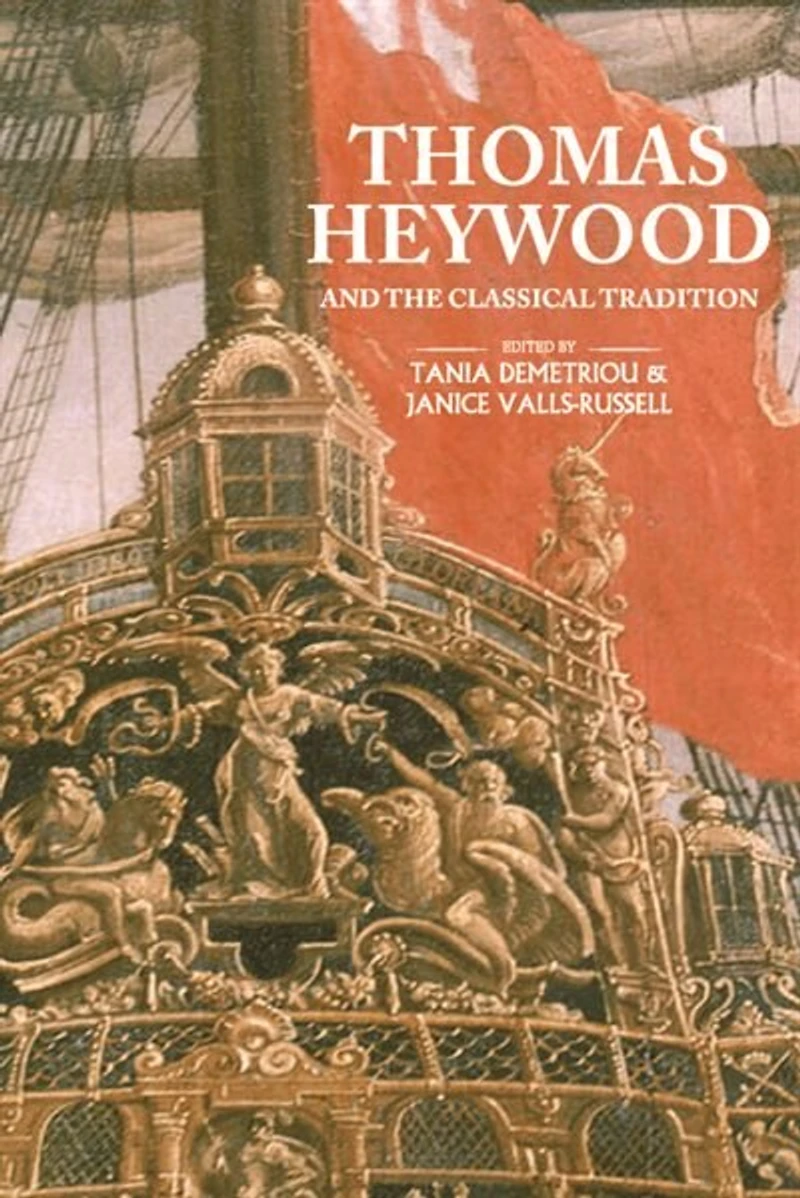
Thomas Heywood and the classical tradition
Current price: $170.00

Thomas Heywood and the classical tradition
Current price: $170.00
Loading Inventory...
Size: Hardcover
*Product information may vary - to confirm product availability, pricing, shipping and return information please contact Indigo
This volume offers the first in-depth investigation of Thomas Heywood’s engagement with the classics. Its introduction and twelve essays trace how the classics shaped Heywood’s work in a variety of genres across a writing career of over forty years, ranging from drama, epic and epyllion, to translations, compendia and the design of a warship for Charles I. Close readings demonstrate the influence of a capaciously conceived classical tradition that included continental editions and translations of Latin and Greek texts, early modern mythographies and the medieval tradition of Troy. They attend to Heywood’s thought-provoking imitations and juxtapositions of these sources, his use of myth to interrogate gender and heroism, and his turn to antiquity to celebrate and defamiliarise the theatrical or political present. Heywood’s better-known works are discussed alongside critically neglected ones, making the collection valuable for undergraduates and researchers alike.
This volume offers the first in-depth investigation of Thomas Heywood’s engagement with the classics. Its introduction and twelve essays trace how the classics shaped Heywood’s work in a variety of genres across a writing career of over forty years, ranging from drama, epic and epyllion, to translations, compendia and the design of a warship for Charles I. Close readings demonstrate the influence of a capaciously conceived classical tradition that included continental editions and translations of Latin and Greek texts, early modern mythographies and the medieval tradition of Troy. They attend to Heywood’s thought-provoking imitations and juxtapositions of these sources, his use of myth to interrogate gender and heroism, and his turn to antiquity to celebrate and defamiliarise the theatrical or political present. Heywood’s better-known works are discussed alongside critically neglected ones, making the collection valuable for undergraduates and researchers alike.
You May Also Like







More About Indigo at Erin Mills Town Centre
The largest book retailer in Canada also offers toys, music, home décor, gifts and lifestyle products. What's Inside...Books, Magazines, CD’s and DVD’s, Toys and Gifts, Home Accents, Electronics, Baby’s and Children’s Section, Bath and Body, Kitchen and Bedroom, Stationary Located outside in the exterior plaza.
5015 Glen Erin Dr, Mississauga, ON L5M 0R7, Canada
Find Indigo at Erin Mills Town Centre in Mississauga ON
Visit Indigo at Erin Mills Town Centre in Mississauga ON