

GIVE THE PERFECT GIFT
Erin Mills Town Centre Gift Cards are the perfect choice for your gift giving needs.Purchase gift cards at kiosks near the food court or centre court, at Guest Services, or click below to purchase online.PURCHASE HEREHome
Three's Company: The Efficacy Of Third-party Intervention In Support Of Counterinsurgency
Indigo
Loading Inventory...
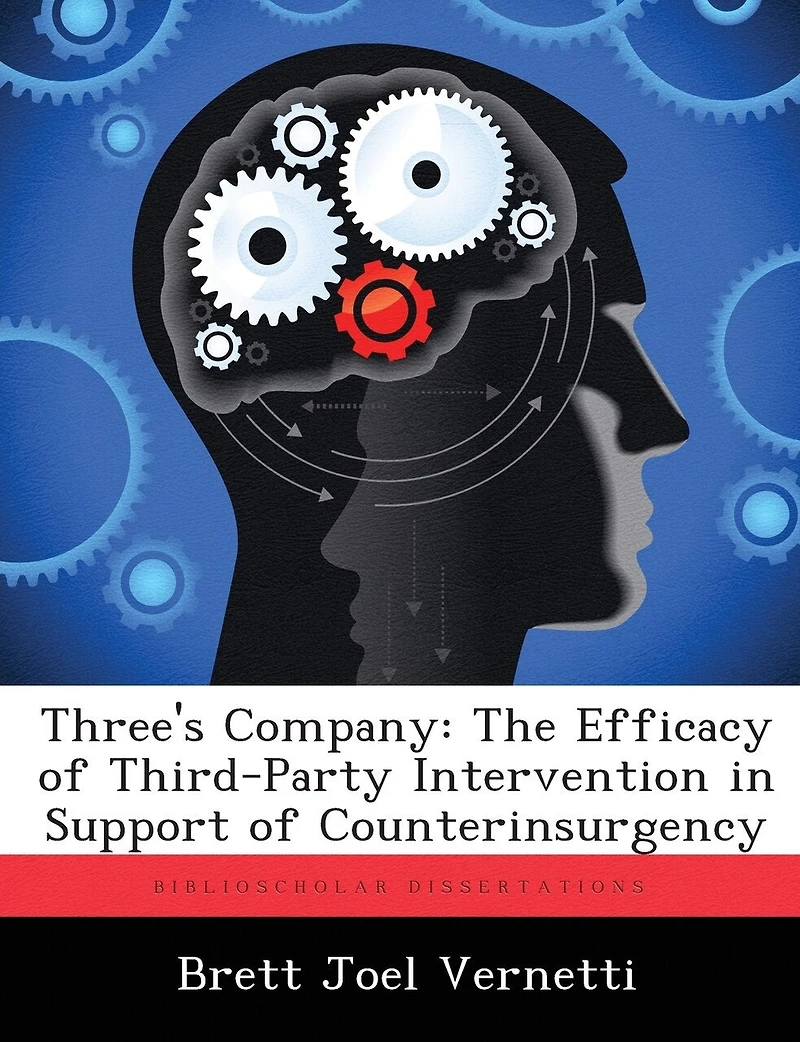
Three's Company: The Efficacy Of Third-party Intervention In Support Of Counterinsurgency
Current price: $59.00

Three's Company: The Efficacy Of Third-party Intervention In Support Of Counterinsurgency
Current price: $59.00
Loading Inventory...
Size: Paperback
*Product information may vary - to confirm product availability, pricing, shipping and return information please contact Indigo
Does third party military intervention help or hurt an incumbent government during an insurgency? This study attempts to answer this question by testing prevailing military theories of counterinsurgency in the context of third party intervention using basic tests for statistical significance and bivariate contingency. The results show that intervention on behalf of a counterinsurgent decreases the likelihood of a successful government outcome, and specifically, interventions in general, interventions involving the deployment of combat forces, interventions involving military occupation, and interventions by democratic states decrease the likelihood of counterinsurgent success. Early intervention, meaning the commitment of third-party support within the first year of conflict, does not appear to have a significant effect on counterinsurgency success. Likewise, the decision to end an intervention early does not appear to significantly alter the chance of counterinsurgent failure. Interventions in support of an "indirect" approach to counterinsurgencies are the only cases that exhibit a significant improvement for the chances of successful outcome.
Does third party military intervention help or hurt an incumbent government during an insurgency? This study attempts to answer this question by testing prevailing military theories of counterinsurgency in the context of third party intervention using basic tests for statistical significance and bivariate contingency. The results show that intervention on behalf of a counterinsurgent decreases the likelihood of a successful government outcome, and specifically, interventions in general, interventions involving the deployment of combat forces, interventions involving military occupation, and interventions by democratic states decrease the likelihood of counterinsurgent success. Early intervention, meaning the commitment of third-party support within the first year of conflict, does not appear to have a significant effect on counterinsurgency success. Likewise, the decision to end an intervention early does not appear to significantly alter the chance of counterinsurgent failure. Interventions in support of an "indirect" approach to counterinsurgencies are the only cases that exhibit a significant improvement for the chances of successful outcome.
You May Also Like












More About Indigo at Erin Mills Town Centre
The largest book retailer in Canada also offers toys, music, home décor, gifts and lifestyle products. What's Inside...Books, Magazines, CD’s and DVD’s, Toys and Gifts, Home Accents, Electronics, Baby’s and Children’s Section, Bath and Body, Kitchen and Bedroom, Stationary Located outside in the exterior plaza.
5015 Glen Erin Dr, Mississauga, ON L5M 0R7, Canada
Find Indigo at Erin Mills Town Centre in Mississauga ON
Visit Indigo at Erin Mills Town Centre in Mississauga ON