

GIVE THE PERFECT GIFT
Erin Mills Town Centre Gift Cards are the perfect choice for your gift giving needs.Purchase gift cards at kiosks near the food court or centre court, at Guest Services, or click below to purchase online.PURCHASE HEREHome
Time and Space the Internet Age
Indigo
Loading Inventory...
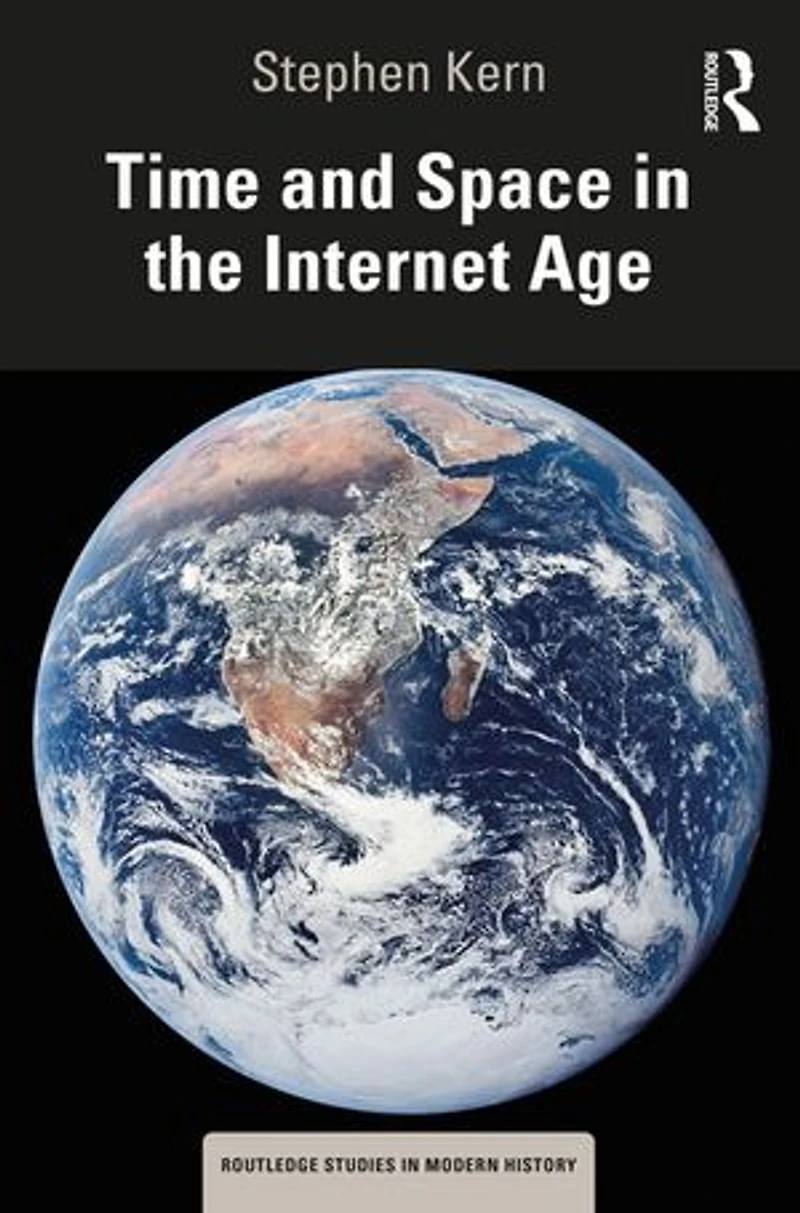
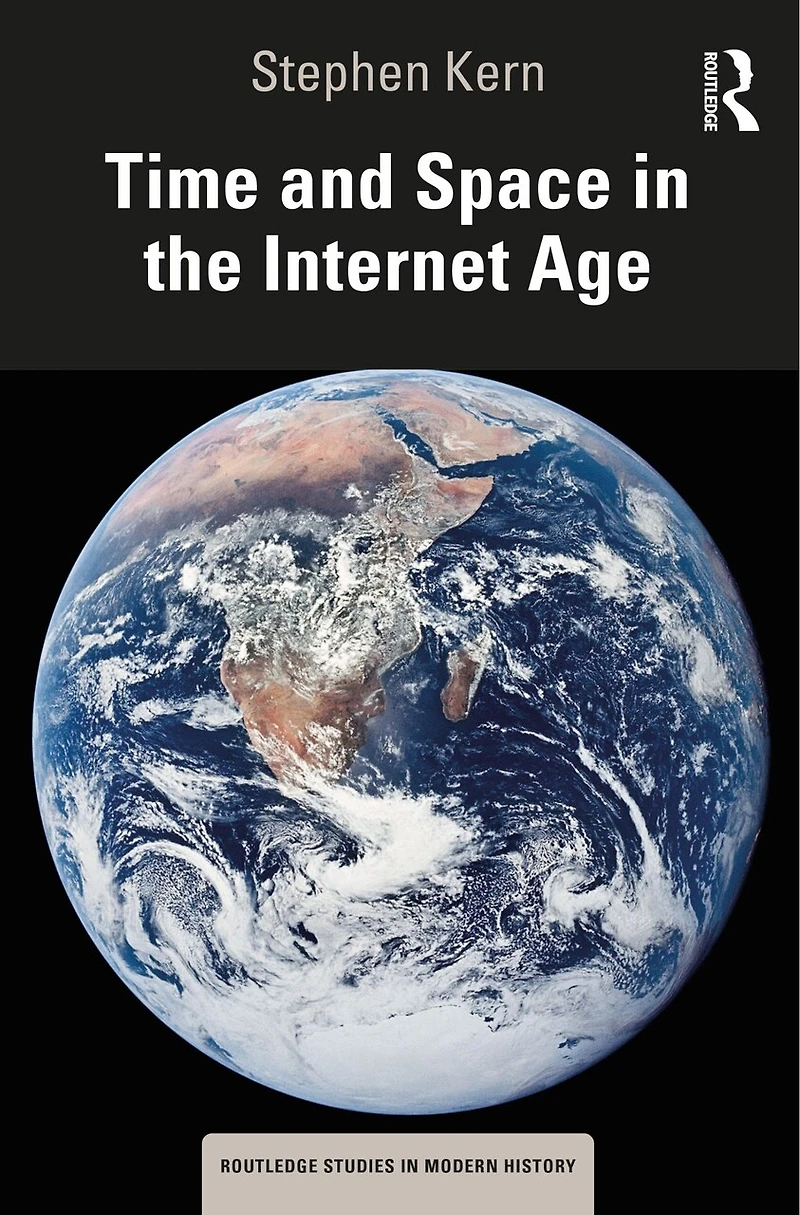
Time and Space the Internet Age
Current price: $296.50

Time and Space the Internet Age
Current price: $296.50
Loading Inventory...
Size: Hardcover
*Product information may vary - to confirm product availability, pricing, shipping and return information please contact Indigo
This book analyzes how new technologies transformed life and thought between two periods, 1880-1920 and 1980-2020, with a focus on temporal experiences of past, present, future and the spatial experiences of form, distance, and direction. The signature contrast is between experiences of time and space transformed by the telephone in the earlier period and the Internet in the later period along with other sharp contrasts: the sinking of the Lusitania in 1915 and the attack on the World Trade Center on 9/11, World War I and the Gulf Wars, gravity bombs and smart bombs, the pandemics of 1918 and 2020, assembly lines and flexible production, Farmer's Almanacs and computer-based weather predictions, cash transactions and one-click ordering, decolonization and globalization, internationalism and planetarity. The book also makes three interpretive arguments: the Epistemological Argument covers how greater knowledge introduced uncertainties; the Ethical Argument tracks how new technologies prompted ethical judgments about their value; and the Re-hierarchizing Argument tracks the erosion of spatial hierarchies most notably in religion, society, and politics with the increasing progress of secularization, social mobility, and democratization. Time and Space in the Internet Age is a thought-provoking study for academics and general readers interested in the history of technology and science.
This book analyzes how new technologies transformed life and thought between two periods, 1880-1920 and 1980-2020, with a focus on temporal experiences of past, present, future and the spatial experiences of form, distance, and direction. The signature contrast is between experiences of time and space transformed by the telephone in the earlier period and the Internet in the later period along with other sharp contrasts: the sinking of the Lusitania in 1915 and the attack on the World Trade Center on 9/11, World War I and the Gulf Wars, gravity bombs and smart bombs, the pandemics of 1918 and 2020, assembly lines and flexible production, Farmer's Almanacs and computer-based weather predictions, cash transactions and one-click ordering, decolonization and globalization, internationalism and planetarity. The book also makes three interpretive arguments: the Epistemological Argument covers how greater knowledge introduced uncertainties; the Ethical Argument tracks how new technologies prompted ethical judgments about their value; and the Re-hierarchizing Argument tracks the erosion of spatial hierarchies most notably in religion, society, and politics with the increasing progress of secularization, social mobility, and democratization. Time and Space in the Internet Age is a thought-provoking study for academics and general readers interested in the history of technology and science.
You May Also Like







More About Indigo at Erin Mills Town Centre
The largest book retailer in Canada also offers toys, music, home décor, gifts and lifestyle products. What's Inside...Books, Magazines, CD’s and DVD’s, Toys and Gifts, Home Accents, Electronics, Baby’s and Children’s Section, Bath and Body, Kitchen and Bedroom, Stationary Located outside in the exterior plaza.
5015 Glen Erin Dr, Mississauga, ON L5M 0R7, Canada
Find Indigo at Erin Mills Town Centre in Mississauga ON
Visit Indigo at Erin Mills Town Centre in Mississauga ON