

GIVE THE PERFECT GIFT
Erin Mills Town Centre Gift Cards are the perfect choice for your gift giving needs.Purchase gift cards at kiosks near the food court or centre court, at Guest Services, or click below to purchase online.PURCHASE HEREHome
To Kill A People: Genocide in the Twentieth Century
Indigo
Loading Inventory...
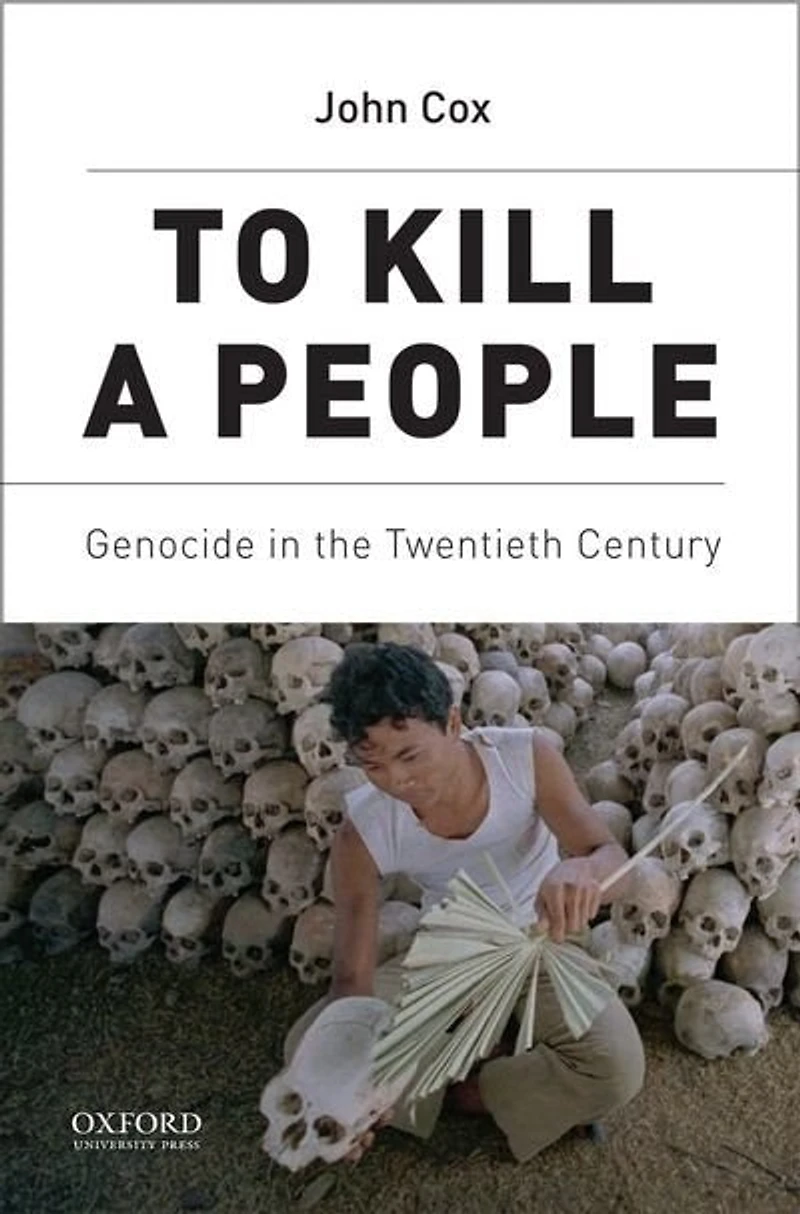
To Kill A People: Genocide in the Twentieth Century
Current price: $49.99

To Kill A People: Genocide in the Twentieth Century
Current price: $49.99
Loading Inventory...
Size: Paperback
*Product information may vary - to confirm product availability, pricing, shipping and return information please contact Indigo
There have been numerous books on genocide in the last twenty years, but To Kill a People offers a different approach. It is one of the few books on genocide expressly written for use in the college classroom. The book includes four case studies - the Armenian, Nazi, Cambodian, and Rwandan genocides - and substantive introductory and concluding chapters that contribute to two key debates within genocide studies: how to define "genocide" and place it in relation to other mass atrocities, and how to detect and analyze the social, historical, and cultural forces that produce genocidal violence.
To Kill a People examines a vast range of the latest research, offers original interpretations and arguments, and draws upon the author's own archival research on three continents. The case studies are supplemented by primary readings and thought-provoking questions, and the book concludes with a chapter that synthesizes the lessons and issues that arise from the study of genocide. A chapter-length bibliographic essay further distinguishes this book and will be useful to students and experts alike.
There have been numerous books on genocide in the last twenty years, but To Kill a People offers a different approach. It is one of the few books on genocide expressly written for use in the college classroom. The book includes four case studies - the Armenian, Nazi, Cambodian, and Rwandan genocides - and substantive introductory and concluding chapters that contribute to two key debates within genocide studies: how to define "genocide" and place it in relation to other mass atrocities, and how to detect and analyze the social, historical, and cultural forces that produce genocidal violence.
To Kill a People examines a vast range of the latest research, offers original interpretations and arguments, and draws upon the author's own archival research on three continents. The case studies are supplemented by primary readings and thought-provoking questions, and the book concludes with a chapter that synthesizes the lessons and issues that arise from the study of genocide. A chapter-length bibliographic essay further distinguishes this book and will be useful to students and experts alike.
You May Also Like








More About Indigo at Erin Mills Town Centre
The largest book retailer in Canada also offers toys, music, home décor, gifts and lifestyle products. What's Inside...Books, Magazines, CD’s and DVD’s, Toys and Gifts, Home Accents, Electronics, Baby’s and Children’s Section, Bath and Body, Kitchen and Bedroom, Stationary Located outside in the exterior plaza.
5015 Glen Erin Dr, Mississauga, ON L5M 0R7, Canada
Find Indigo at Erin Mills Town Centre in Mississauga ON
Visit Indigo at Erin Mills Town Centre in Mississauga ON