

GIVE THE PERFECT GIFT
Erin Mills Town Centre Gift Cards are the perfect choice for your gift giving needs.Purchase gift cards at kiosks near the food court or centre court, at Guest Services, or click below to purchase online.PURCHASE HEREHome
Tokyo Boogie-woogie and D.T. Suzuki
Indigo
Loading Inventory...
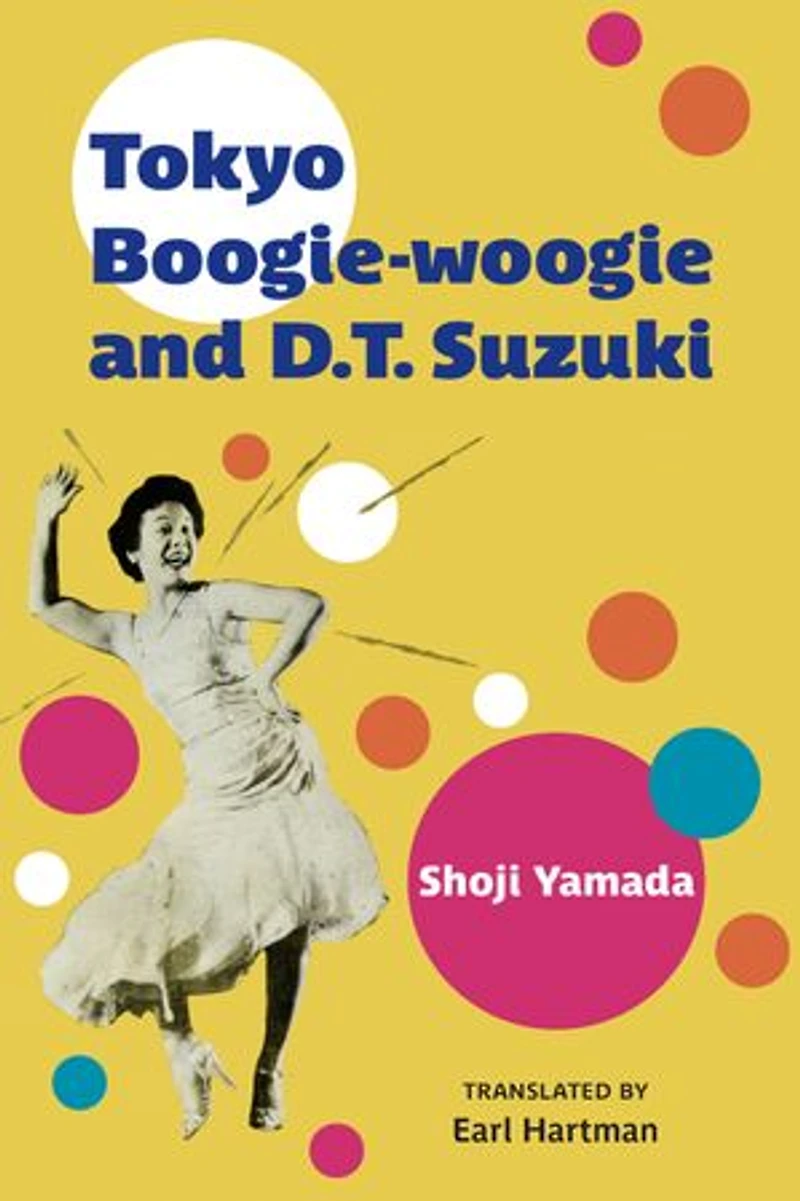
Tokyo Boogie-woogie and D.T. Suzuki
Current price: $27.09
Original price: $33.86

Tokyo Boogie-woogie and D.T. Suzuki
Current price: $27.09
Original price: $33.86
Loading Inventory...
Size: Kobo eBook
*Product information may vary - to confirm product availability, pricing, shipping and return information please contact Indigo
Tokyo Boogie-woogie and D.T. Suzuki seeks to understand the tensions between competing cultures, generations, and beliefs in Japan during the years following World War II, through the lens of one of its best-known figures and one of its most forgotten. Daisetsu Teitaro Suzuki (D.T. Suzuki) was a prolific scholar and translator of Buddhism, Zen, and Chinese and Japanese philosophy and religious history. In the postwar years, he was a central figure in the introduction of Buddhism to the United States and other English-language countries, frequently traveling and speaking to this end. His works helped define much of these interpretations of ‘Eastern Religion’ in English, as well as shape views of modern Japanese Buddhism.
Against this famous figure, however, is a largely unknown or forgotten shape: Suzuki Alan Masaru. Alan was D.T. Suzuki’s adopted son and, though he remained within his father’s shadow, is mostly known as the lyricist of the iconic pop hit “Tokyo Boogie-woogie.” Perhaps due to his frequent scandals and the fraught nature of the relationship, Alan remains unmentioned and unstudied by scholars and historians. Yet by exploring the nature of the relationship between these two, Shoji Yamada digs into the conflicting memories and experiences of these generations in Japan.
Tokyo Boogie-woogie and D.T. Suzuki seeks to understand the tensions between competing cultures, generations, and beliefs in Japan during the years following World War II, through the lens of one of its best-known figures and one of its most forgotten. Daisetsu Teitaro Suzuki (D.T. Suzuki) was a prolific scholar and translator of Buddhism, Zen, and Chinese and Japanese philosophy and religious history. In the postwar years, he was a central figure in the introduction of Buddhism to the United States and other English-language countries, frequently traveling and speaking to this end. His works helped define much of these interpretations of ‘Eastern Religion’ in English, as well as shape views of modern Japanese Buddhism.
Against this famous figure, however, is a largely unknown or forgotten shape: Suzuki Alan Masaru. Alan was D.T. Suzuki’s adopted son and, though he remained within his father’s shadow, is mostly known as the lyricist of the iconic pop hit “Tokyo Boogie-woogie.” Perhaps due to his frequent scandals and the fraught nature of the relationship, Alan remains unmentioned and unstudied by scholars and historians. Yet by exploring the nature of the relationship between these two, Shoji Yamada digs into the conflicting memories and experiences of these generations in Japan.









More About Indigo at Erin Mills Town Centre
The largest book retailer in Canada also offers toys, music, home décor, gifts and lifestyle products. What's Inside...Books, Magazines, CD’s and DVD’s, Toys and Gifts, Home Accents, Electronics, Baby’s and Children’s Section, Bath and Body, Kitchen and Bedroom, Stationary Located outside in the exterior plaza.
5015 Glen Erin Dr, Mississauga, ON L5M 0R7, Canada
Find Indigo at Erin Mills Town Centre in Mississauga ON
Visit Indigo at Erin Mills Town Centre in Mississauga ON