

GIVE THE PERFECT GIFT
Erin Mills Town Centre Gift Cards are the perfect choice for your gift giving needs.Purchase gift cards at kiosks near the food court or centre court, at Guest Services, or click below to purchase online.PURCHASE HEREHome
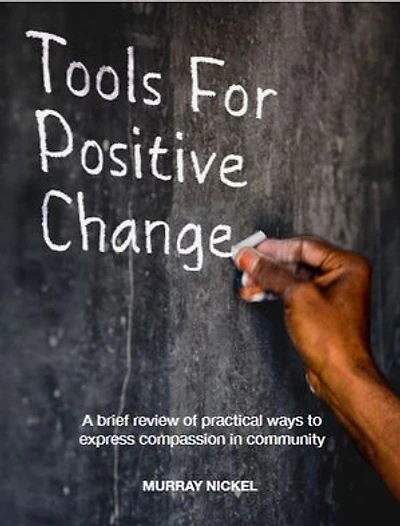
Tools for Positive Change: A brief review of positive ways to express compassion in community
Indigo
Loading Inventory...

Tools for Positive Change: A brief review of positive ways to express compassion in community
Current price: $13.99

Tools for Positive Change: A brief review of positive ways to express compassion in community
Current price: $13.99
Loading Inventory...
Size: Paperback
*Product information may vary - to confirm product availability, pricing, shipping and return information please contact Indigo
While you may care deeply for those in need, navigating the complexities of making a meaningful positive change in the lives of impoverished individuals can be challenging. Are there proven strategies that actually work? "Tools for Positive Change: A Brief Review of Practical Ways to Express Compassion in Community" is a concise, 67-page book that explores practical methods and strategies for addressing poverty and fostering positive change in communities. Drawing on personal experiences in marginalized communities around the world, the author highlights the importance of flexible, context-sensitive tools for tackling poverty. The central portion of the book focuses on practical methodologies for community development, including needs analysis, appreciative inquiry, results-based management, participatory rural appraisal, and asset-based community development. These approaches emphasize identifying community needs, leveraging local assets, and fostering collaboration to create sustainable solutions. The book then turns to the importance of building effective partnerships. It underscores the need for shared goals, open information exchange, and clear boundaries to ensure accountability and address potential conflicts. Finally, the author shares insights and experiences from community leaders and trainers in the Democratic Republic of Congo. The book also incorporates visual aids-such as graphs and diagrams-to clarify concepts like project success, needs analysis, and partnership dynamics. Overall, it offers practical advice and strategies for those who want to express compassion in tangible ways and make a lasting, positive impact in their communities.
While you may care deeply for those in need, navigating the complexities of making a meaningful positive change in the lives of impoverished individuals can be challenging. Are there proven strategies that actually work? "Tools for Positive Change: A Brief Review of Practical Ways to Express Compassion in Community" is a concise, 67-page book that explores practical methods and strategies for addressing poverty and fostering positive change in communities. Drawing on personal experiences in marginalized communities around the world, the author highlights the importance of flexible, context-sensitive tools for tackling poverty. The central portion of the book focuses on practical methodologies for community development, including needs analysis, appreciative inquiry, results-based management, participatory rural appraisal, and asset-based community development. These approaches emphasize identifying community needs, leveraging local assets, and fostering collaboration to create sustainable solutions. The book then turns to the importance of building effective partnerships. It underscores the need for shared goals, open information exchange, and clear boundaries to ensure accountability and address potential conflicts. Finally, the author shares insights and experiences from community leaders and trainers in the Democratic Republic of Congo. The book also incorporates visual aids-such as graphs and diagrams-to clarify concepts like project success, needs analysis, and partnership dynamics. Overall, it offers practical advice and strategies for those who want to express compassion in tangible ways and make a lasting, positive impact in their communities.
You May Also Like










More About Indigo at Erin Mills Town Centre
The largest book retailer in Canada also offers toys, music, home décor, gifts and lifestyle products. What's Inside...Books, Magazines, CD’s and DVD’s, Toys and Gifts, Home Accents, Electronics, Baby’s and Children’s Section, Bath and Body, Kitchen and Bedroom, Stationary Located outside in the exterior plaza.
5015 Glen Erin Dr, Mississauga, ON L5M 0R7, Canada
Find Indigo at Erin Mills Town Centre in Mississauga ON
Visit Indigo at Erin Mills Town Centre in Mississauga ON