

GIVE THE PERFECT GIFT
Erin Mills Town Centre Gift Cards are the perfect choice for your gift giving needs.Purchase gift cards at kiosks near the food court or centre court, at Guest Services, or click below to purchase online.PURCHASE HEREHome
Tracing and Documenting Nazi Victims Past and Present
Indigo
Loading Inventory...
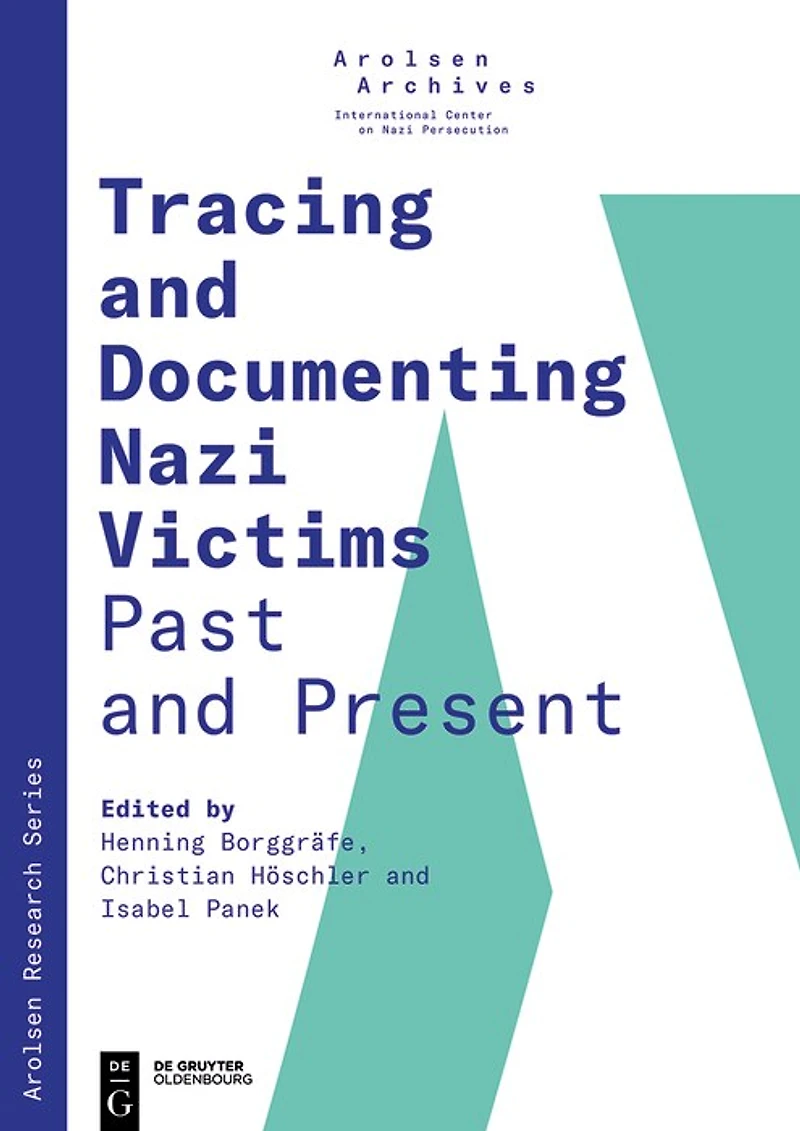
Tracing and Documenting Nazi Victims Past and Present
Current price: $38.99

Tracing and Documenting Nazi Victims Past and Present
Current price: $38.99
Loading Inventory...
Size: Paperback
*Product information may vary - to confirm product availability, pricing, shipping and return information please contact Indigo
After World War II, tracing and documenting Nazi victims emerged against the background of millions of missing persons and early compensation proceedings. This was a process in which the Allies, international aid organizations, and survivors themselves took part. New archives, documentation centers and tracing bureaus were founded amid the increasing Cold War divide. They gathered documents on Nazi persecution and structured them in specialized collections to provide information on individual fates and their grave repercussions: the loss of relatives, the search for a new home, physical or mental injuries, existential problems, social support and recognition, but also continued exclusion or discrimination. By doing so, institutions involved in this work were inevitably confronted with contentious issues—such as varying political mandates, neutrality vs. solidarity with those formerly persecuted, data protection vs. public interest, and many more. Over time, tracing bureaus and archives changed methods and policies and even expanded their activities, using historical documents for both research and public remembrance. This is the first publication to explore this multifaceted history of tracing and documenting past and present.
After World War II, tracing and documenting Nazi victims emerged against the background of millions of missing persons and early compensation proceedings. This was a process in which the Allies, international aid organizations, and survivors themselves took part. New archives, documentation centers and tracing bureaus were founded amid the increasing Cold War divide. They gathered documents on Nazi persecution and structured them in specialized collections to provide information on individual fates and their grave repercussions: the loss of relatives, the search for a new home, physical or mental injuries, existential problems, social support and recognition, but also continued exclusion or discrimination. By doing so, institutions involved in this work were inevitably confronted with contentious issues—such as varying political mandates, neutrality vs. solidarity with those formerly persecuted, data protection vs. public interest, and many more. Over time, tracing bureaus and archives changed methods and policies and even expanded their activities, using historical documents for both research and public remembrance. This is the first publication to explore this multifaceted history of tracing and documenting past and present.
You May Also Like













More About Indigo at Erin Mills Town Centre
The largest book retailer in Canada also offers toys, music, home décor, gifts and lifestyle products. What's Inside...Books, Magazines, CD’s and DVD’s, Toys and Gifts, Home Accents, Electronics, Baby’s and Children’s Section, Bath and Body, Kitchen and Bedroom, Stationary Located outside in the exterior plaza.
5015 Glen Erin Dr, Mississauga, ON L5M 0R7, Canada
Find Indigo at Erin Mills Town Centre in Mississauga ON
Visit Indigo at Erin Mills Town Centre in Mississauga ON