

GIVE THE PERFECT GIFT
Erin Mills Town Centre Gift Cards are the perfect choice for your gift giving needs.Purchase gift cards at kiosks near the food court or centre court, at Guest Services, or click below to purchase online.PURCHASE HEREHome
Transatlantic Abolitionism the Age of Revolution: An International History Anti-slavery, c.1787–1820
Indigo
Loading Inventory...
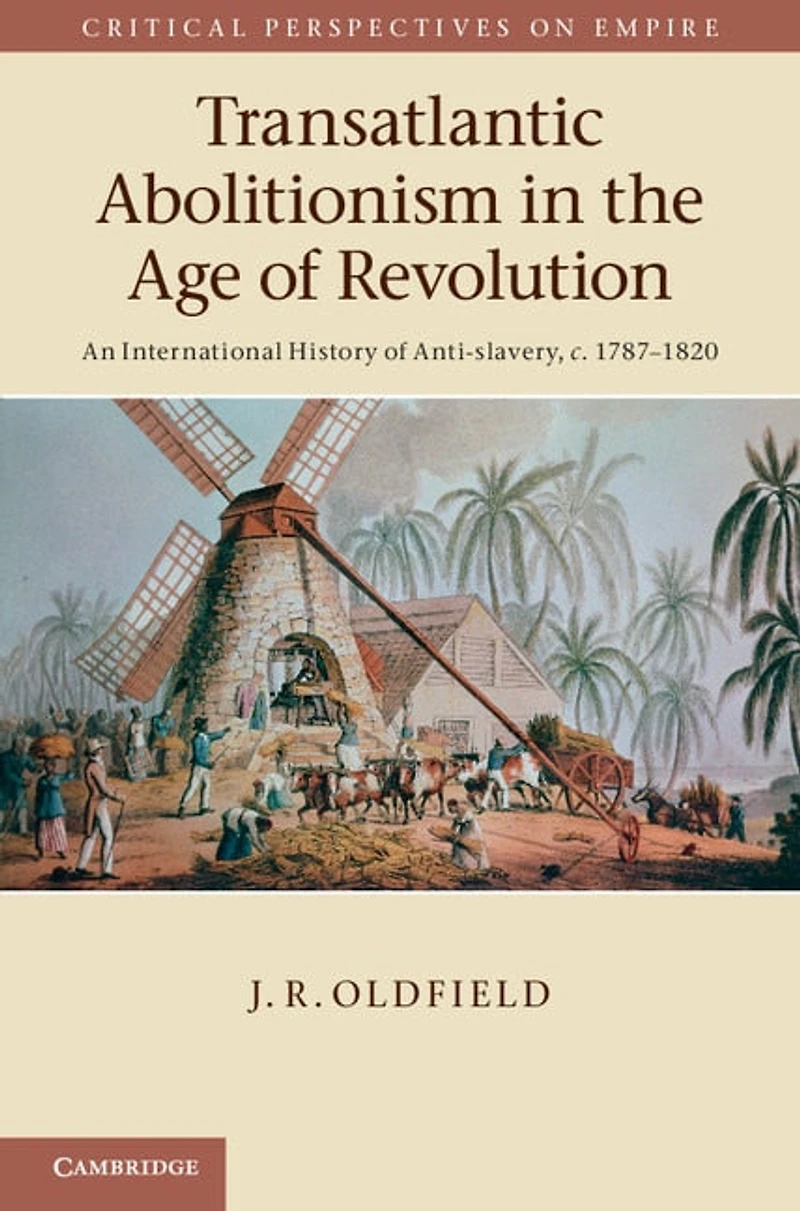
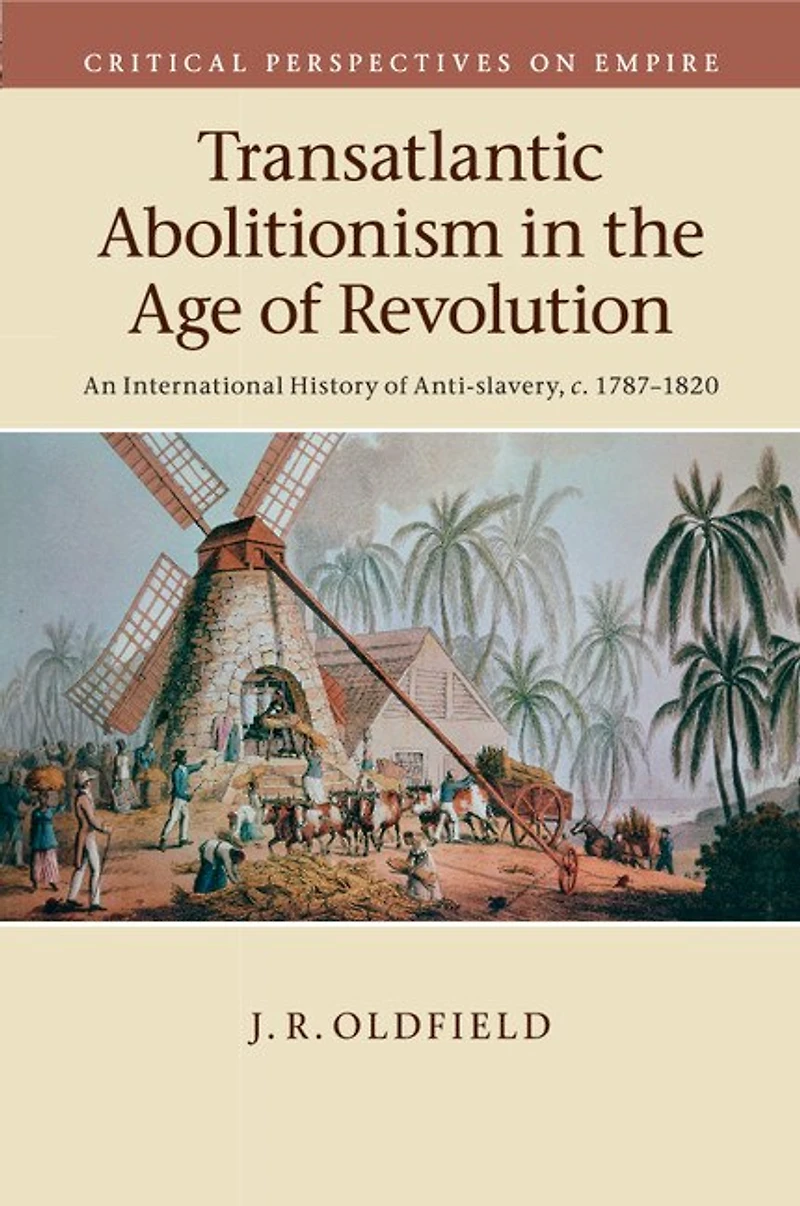
Transatlantic Abolitionism the Age of Revolution: An International History Anti-slavery, c.1787–1820
Current price: $96.95

Transatlantic Abolitionism the Age of Revolution: An International History Anti-slavery, c.1787–1820
Current price: $96.95
Loading Inventory...
Size: Hardcover
*Product information may vary - to confirm product availability, pricing, shipping and return information please contact Indigo
Transatlantic Abolitionism in the Age of Revolution offers a fresh exploration of anti-slavery debates in the late eighteenth and early nineteenth centuries. It challenges traditional perceptions of early anti-slavery activity as an entirely parochial British, European or American affair, and instead reframes the abolition movement as a broad international network of activists across a range of metropolitan centres and remote outposts. Interdisciplinary in approach, this book explores the dynamics of transatlantic abolitionism, along with its structure, mechanisms and business methods, and in doing so, highlights the delicate balance that existed between national and international interests in an age of massive political upheaval throughout the Atlantic world. By setting slave trade debates within a wider international context, Professor Oldfield reveals how popular abolitionism emerged as a political force in the 1780s, and how it adapted itself to the tumultuous events of the late eighteenth and early nineteenth centuries.
Transatlantic Abolitionism in the Age of Revolution offers a fresh exploration of anti-slavery debates in the late eighteenth and early nineteenth centuries. It challenges traditional perceptions of early anti-slavery activity as an entirely parochial British, European or American affair, and instead reframes the abolition movement as a broad international network of activists across a range of metropolitan centres and remote outposts. Interdisciplinary in approach, this book explores the dynamics of transatlantic abolitionism, along with its structure, mechanisms and business methods, and in doing so, highlights the delicate balance that existed between national and international interests in an age of massive political upheaval throughout the Atlantic world. By setting slave trade debates within a wider international context, Professor Oldfield reveals how popular abolitionism emerged as a political force in the 1780s, and how it adapted itself to the tumultuous events of the late eighteenth and early nineteenth centuries.
You May Also Like











More About Indigo at Erin Mills Town Centre
The largest book retailer in Canada also offers toys, music, home décor, gifts and lifestyle products. What's Inside...Books, Magazines, CD’s and DVD’s, Toys and Gifts, Home Accents, Electronics, Baby’s and Children’s Section, Bath and Body, Kitchen and Bedroom, Stationary Located outside in the exterior plaza.
5015 Glen Erin Dr, Mississauga, ON L5M 0R7, Canada
Find Indigo at Erin Mills Town Centre in Mississauga ON
Visit Indigo at Erin Mills Town Centre in Mississauga ON