

GIVE THE PERFECT GIFT
Erin Mills Town Centre Gift Cards are the perfect choice for your gift giving needs.Purchase gift cards at kiosks near the food court or centre court, at Guest Services, or click below to purchase online.PURCHASE HEREHome
Transforming Conversion: Rethinking the Language and Contours of Christian Initiation
Indigo
Loading Inventory...
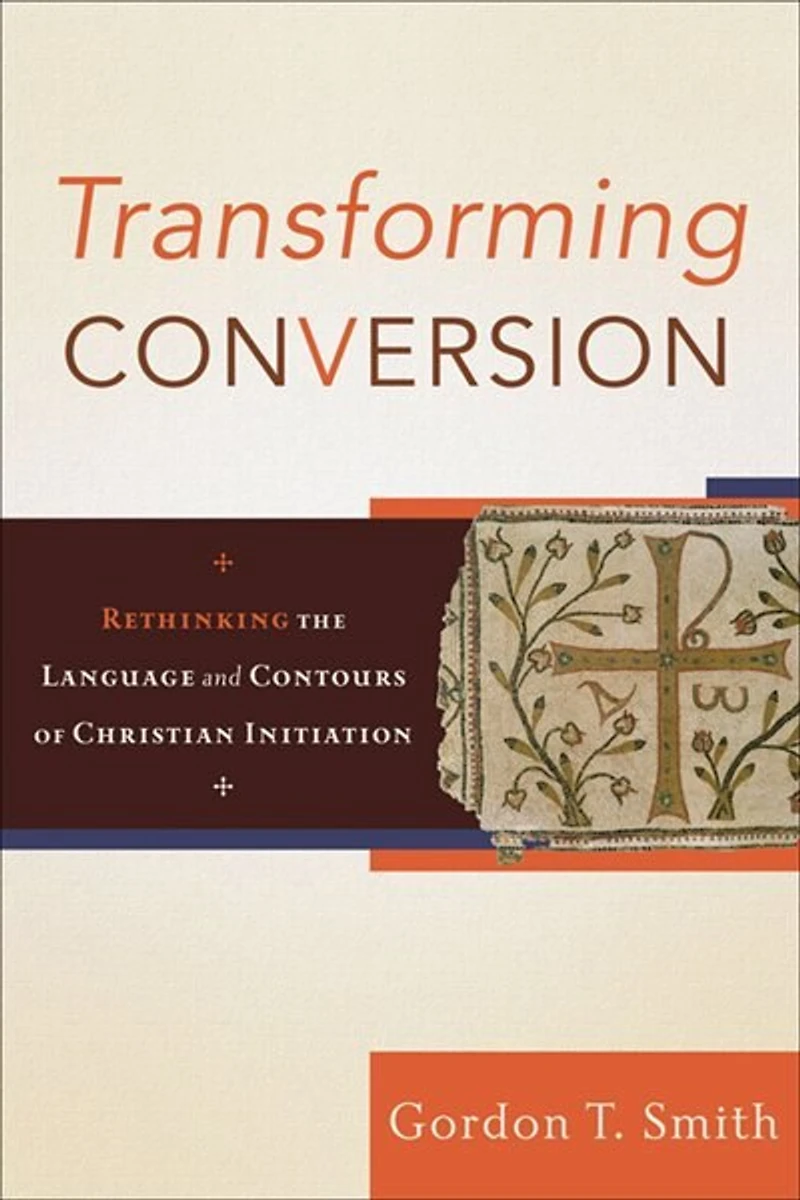
Transforming Conversion: Rethinking the Language and Contours of Christian Initiation
Current price: $39.50

Transforming Conversion: Rethinking the Language and Contours of Christian Initiation
Current price: $39.50
Loading Inventory...
Size: Paperback
*Product information may vary - to confirm product availability, pricing, shipping and return information please contact Indigo
This volume offers much-needed theological reflection on the phenomenon of conversion and transformation. Gordon Smith provides a robust evaluation that covers the broad range of thinking about conversion across Christian traditions and addresses global contexts. Smith contends that both in the church and in discussions about contemporary mission, the language of conversion inherited from revivalism is inadequate in helping to navigate the questions that shape how we do church, how we approach faith formation, how evangelism is integrated into congregational life, and how we witness to the faith in non-Christian environments. We must rethink the nature of the church in light of how people actually come to faith in Christ. After drawing on ancient and pre-revivalist wisdom on conversion, Smith delineates the contours of conversion and Christian initiation for today's church. He concludes by discussing the art of spiritual autobiography and what it means to be a congregation.
This volume offers much-needed theological reflection on the phenomenon of conversion and transformation. Gordon Smith provides a robust evaluation that covers the broad range of thinking about conversion across Christian traditions and addresses global contexts. Smith contends that both in the church and in discussions about contemporary mission, the language of conversion inherited from revivalism is inadequate in helping to navigate the questions that shape how we do church, how we approach faith formation, how evangelism is integrated into congregational life, and how we witness to the faith in non-Christian environments. We must rethink the nature of the church in light of how people actually come to faith in Christ. After drawing on ancient and pre-revivalist wisdom on conversion, Smith delineates the contours of conversion and Christian initiation for today's church. He concludes by discussing the art of spiritual autobiography and what it means to be a congregation.
You May Also Like








More About Indigo at Erin Mills Town Centre
The largest book retailer in Canada also offers toys, music, home décor, gifts and lifestyle products. What's Inside...Books, Magazines, CD’s and DVD’s, Toys and Gifts, Home Accents, Electronics, Baby’s and Children’s Section, Bath and Body, Kitchen and Bedroom, Stationary Located outside in the exterior plaza.
5015 Glen Erin Dr, Mississauga, ON L5M 0R7, Canada
Find Indigo at Erin Mills Town Centre in Mississauga ON
Visit Indigo at Erin Mills Town Centre in Mississauga ON