

GIVE THE PERFECT GIFT
Erin Mills Town Centre Gift Cards are the perfect choice for your gift giving needs.Purchase gift cards at kiosks near the food court or centre court, at Guest Services, or click below to purchase online.PURCHASE HEREHome
Transforming Museum Management: Evidence-Based Change through Open Systems Theory
Indigo
Loading Inventory...
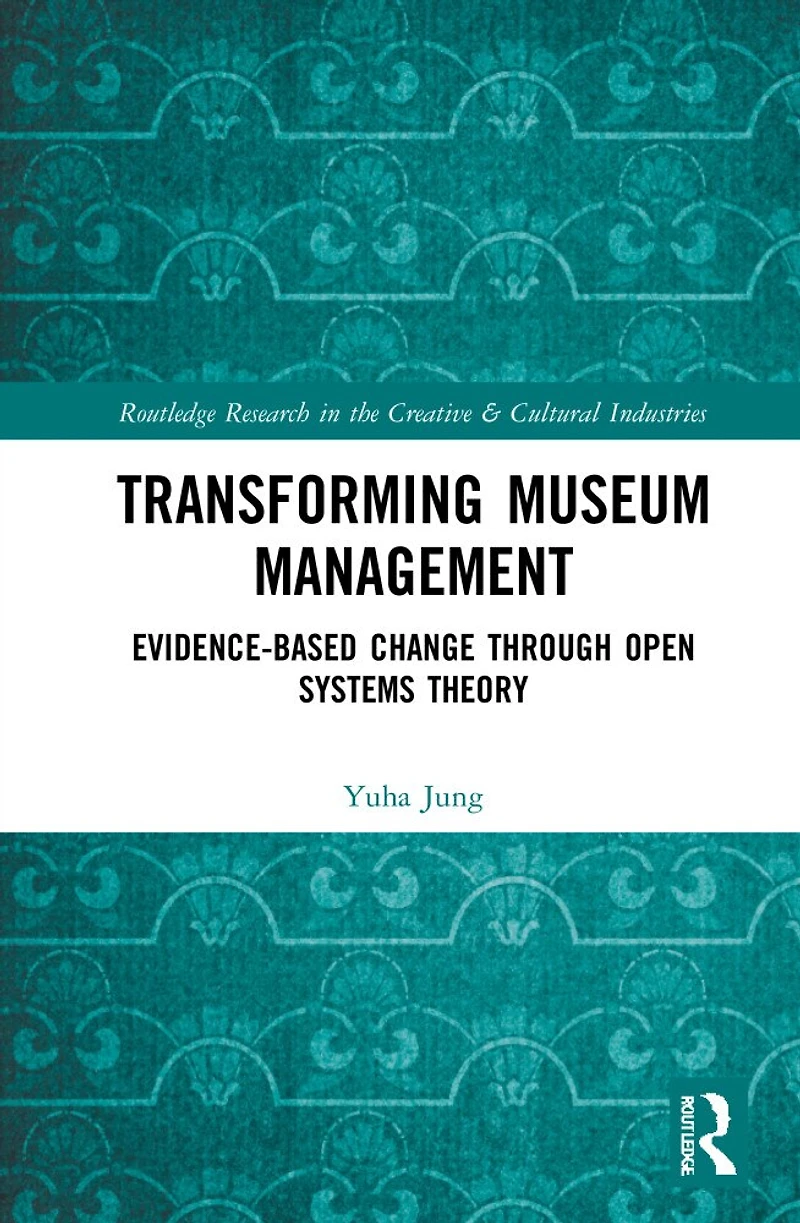
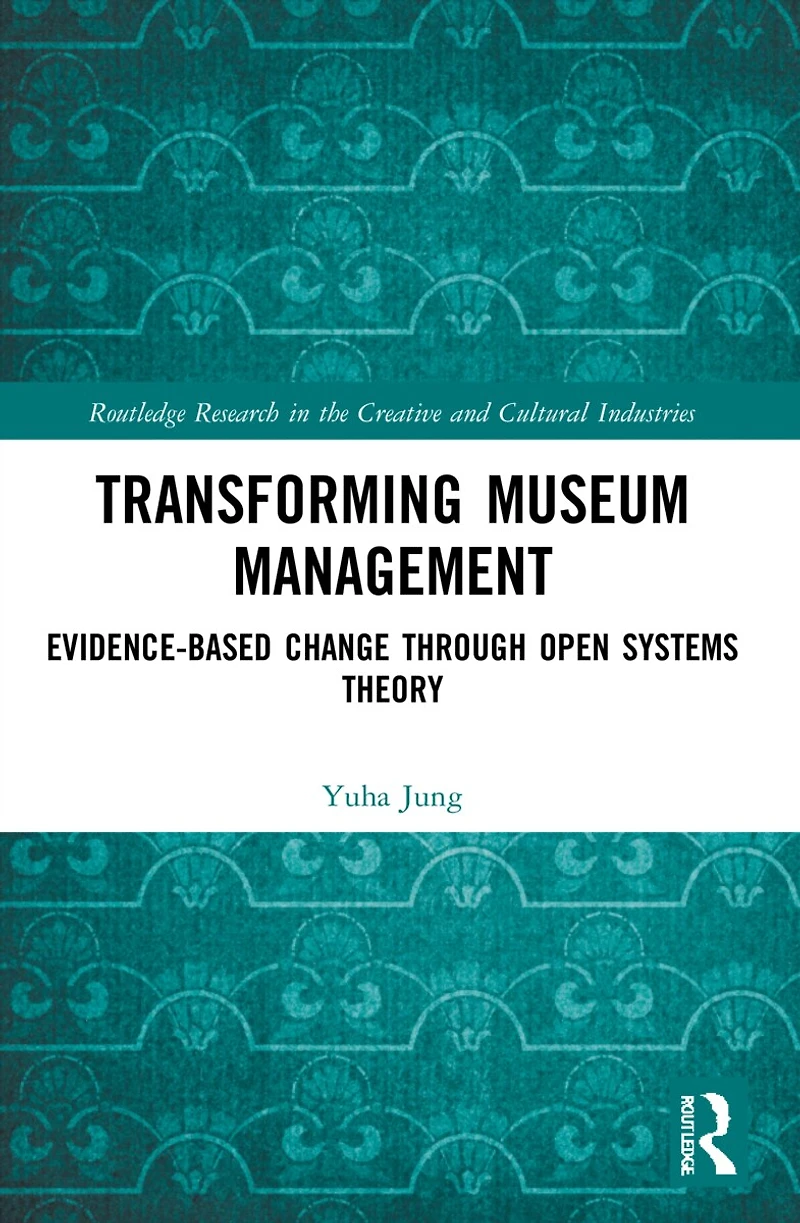
Transforming Museum Management: Evidence-Based Change through Open Systems Theory
Current price: $296.50

Transforming Museum Management: Evidence-Based Change through Open Systems Theory
Current price: $296.50
Loading Inventory...
Size: Hardcover
*Product information may vary - to confirm product availability, pricing, shipping and return information please contact Indigo
Museums must change to illuminate the histories, cultures, and social issues that matter to their local population. Based on a unique longitudinal ethnographic study , Transforming Museum Management illustrates how a traditional art museum attempted to transform into a more inclusive and community-based institution. Using open systems theory and the Buddhist concept of mutual causality, it examines the museum's internal management structure and culture, programs and exhibitions, and mental models of museum workers. In providing both theoretical and practical foundations to transform management structures, this accessible volume will benefit stakeholders by proposing a new culture and structure to arts institutions, to change practice to be more relevant, diverse, and inclusive. This book will be an invaluable resource for researchers and advanced students of museum studies, cultural management, arts administration, non-profit management, and organizational studies.
Museums must change to illuminate the histories, cultures, and social issues that matter to their local population. Based on a unique longitudinal ethnographic study , Transforming Museum Management illustrates how a traditional art museum attempted to transform into a more inclusive and community-based institution. Using open systems theory and the Buddhist concept of mutual causality, it examines the museum's internal management structure and culture, programs and exhibitions, and mental models of museum workers. In providing both theoretical and practical foundations to transform management structures, this accessible volume will benefit stakeholders by proposing a new culture and structure to arts institutions, to change practice to be more relevant, diverse, and inclusive. This book will be an invaluable resource for researchers and advanced students of museum studies, cultural management, arts administration, non-profit management, and organizational studies.
You May Also Like











More About Indigo at Erin Mills Town Centre
The largest book retailer in Canada also offers toys, music, home décor, gifts and lifestyle products. What's Inside...Books, Magazines, CD’s and DVD’s, Toys and Gifts, Home Accents, Electronics, Baby’s and Children’s Section, Bath and Body, Kitchen and Bedroom, Stationary Located outside in the exterior plaza.
5015 Glen Erin Dr, Mississauga, ON L5M 0R7, Canada
Find Indigo at Erin Mills Town Centre in Mississauga ON
Visit Indigo at Erin Mills Town Centre in Mississauga ON