

GIVE THE PERFECT GIFT
Erin Mills Town Centre Gift Cards are the perfect choice for your gift giving needs.Purchase gift cards at kiosks near the food court or centre court, at Guest Services, or click below to purchase online.PURCHASE HEREHome
Translating Silent Cinema: Film History, National Culture, and The Roaring Twenties
Indigo
Loading Inventory...
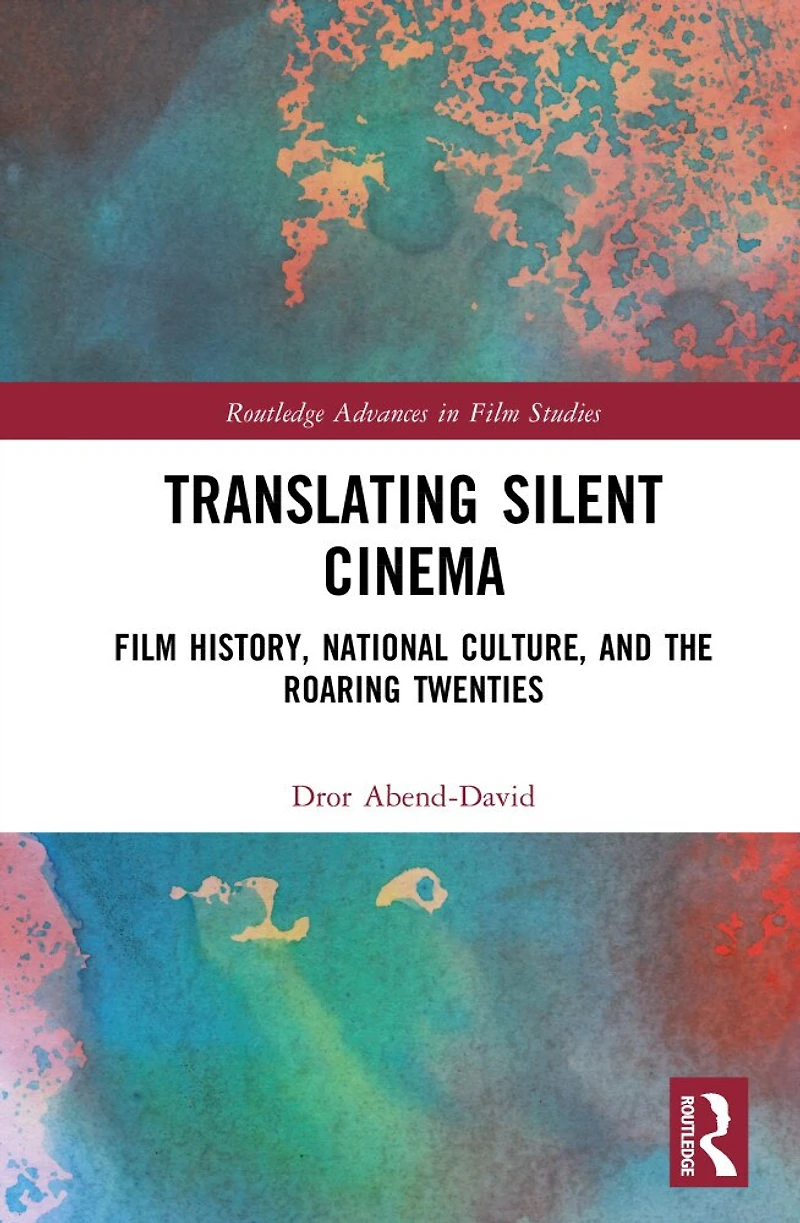
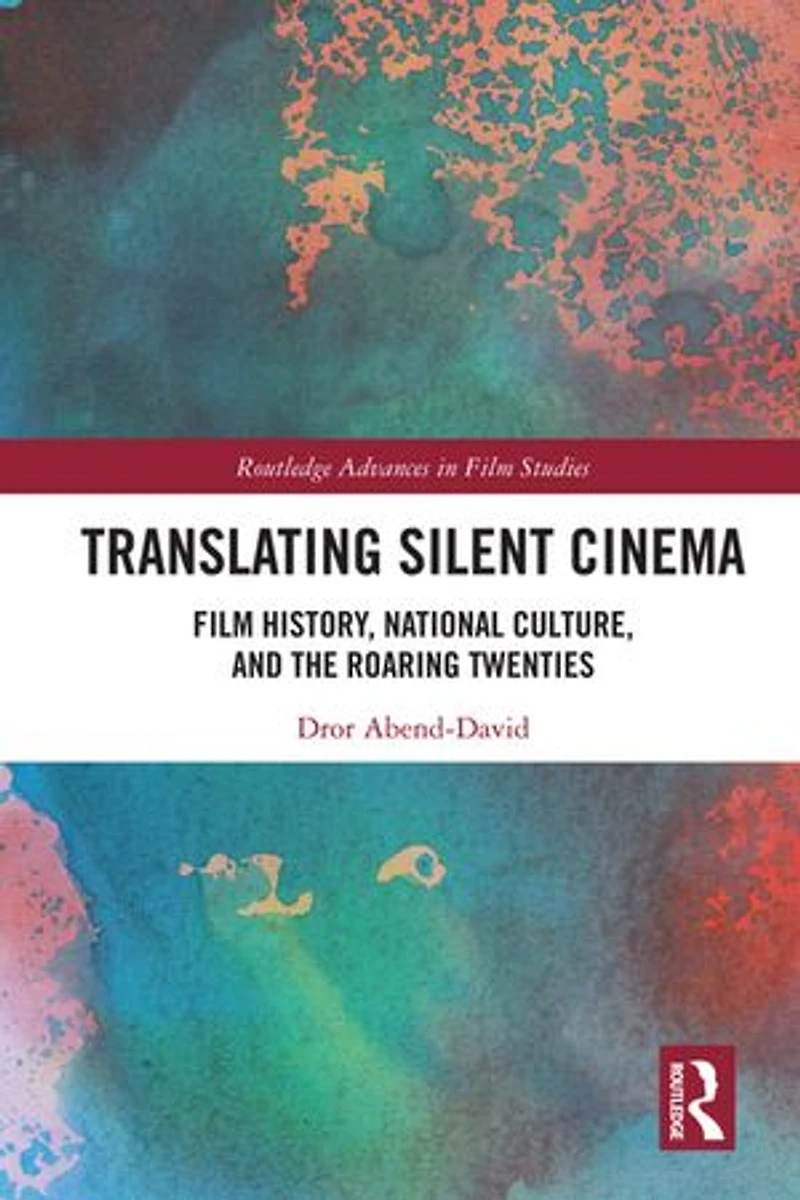
Translating Silent Cinema: Film History, National Culture, and The Roaring Twenties
Current price: $296.50

Translating Silent Cinema: Film History, National Culture, and The Roaring Twenties
Current price: $296.50
Loading Inventory...
Size: Hardcover
*Product information may vary - to confirm product availability, pricing, shipping and return information please contact Indigo
Translating Silent Cinema examines closely the translation, adaptation, and reception of three silent films in English, German, and Yiddish to argue that the study of film translation should extend beyond textual translation to a wide selection of primary materials and the consideration of social, economic, cultural, and historical contexts. Close readings of Der Kaufmann von Venedig [ The Merchant of Venice ] (1923), Das alte Gesetz [ The Ancient Law ] (1923), and Ost und West [ East and West ] (1923) raise a theoretical question: Can we discuss films in the same way that we discuss theater productions, regarding each individual screening as a performance, and compose a "performance history" of different films? As no two film screenings are the same, the author highlights the importance of a multidisciplinary approach to translation that combines insights from film studies, translation studies, and cultural and historical contexts. Furthermore, in linguistic comparison and in the study of the reception of the films in each language, this book argues that each film is the subject of very different receptions under very different circumstances. It also analyzes the relevance of films that were made in Austria and in Germany during the 1920s on Jewish themes to a contemporary debate about immigration, racism, and discrimination. This book's pioneering analysis of the study of film translation encompasses a wide context of multiplicity of ideologies, economic interests, and historical contexts. It will be of interest for readers in translation studies (particularly in audiovisual translation), film studies, German studies (and German cinema), and Jewish studies (and cinema).
Translating Silent Cinema examines closely the translation, adaptation, and reception of three silent films in English, German, and Yiddish to argue that the study of film translation should extend beyond textual translation to a wide selection of primary materials and the consideration of social, economic, cultural, and historical contexts. Close readings of Der Kaufmann von Venedig [ The Merchant of Venice ] (1923), Das alte Gesetz [ The Ancient Law ] (1923), and Ost und West [ East and West ] (1923) raise a theoretical question: Can we discuss films in the same way that we discuss theater productions, regarding each individual screening as a performance, and compose a "performance history" of different films? As no two film screenings are the same, the author highlights the importance of a multidisciplinary approach to translation that combines insights from film studies, translation studies, and cultural and historical contexts. Furthermore, in linguistic comparison and in the study of the reception of the films in each language, this book argues that each film is the subject of very different receptions under very different circumstances. It also analyzes the relevance of films that were made in Austria and in Germany during the 1920s on Jewish themes to a contemporary debate about immigration, racism, and discrimination. This book's pioneering analysis of the study of film translation encompasses a wide context of multiplicity of ideologies, economic interests, and historical contexts. It will be of interest for readers in translation studies (particularly in audiovisual translation), film studies, German studies (and German cinema), and Jewish studies (and cinema).
You May Also Like








More About Indigo at Erin Mills Town Centre
The largest book retailer in Canada also offers toys, music, home décor, gifts and lifestyle products. What's Inside...Books, Magazines, CD’s and DVD’s, Toys and Gifts, Home Accents, Electronics, Baby’s and Children’s Section, Bath and Body, Kitchen and Bedroom, Stationary Located outside in the exterior plaza.
5015 Glen Erin Dr, Mississauga, ON L5M 0R7, Canada
Find Indigo at Erin Mills Town Centre in Mississauga ON
Visit Indigo at Erin Mills Town Centre in Mississauga ON