

GIVE THE PERFECT GIFT
Erin Mills Town Centre Gift Cards are the perfect choice for your gift giving needs.Purchase gift cards at kiosks near the food court or centre court, at Guest Services, or click below to purchase online.PURCHASE HEREHome
Treading on Sacred Grounds: Places of Worship, Local Planning and Religious Freedom in Australia
Indigo
Loading Inventory...
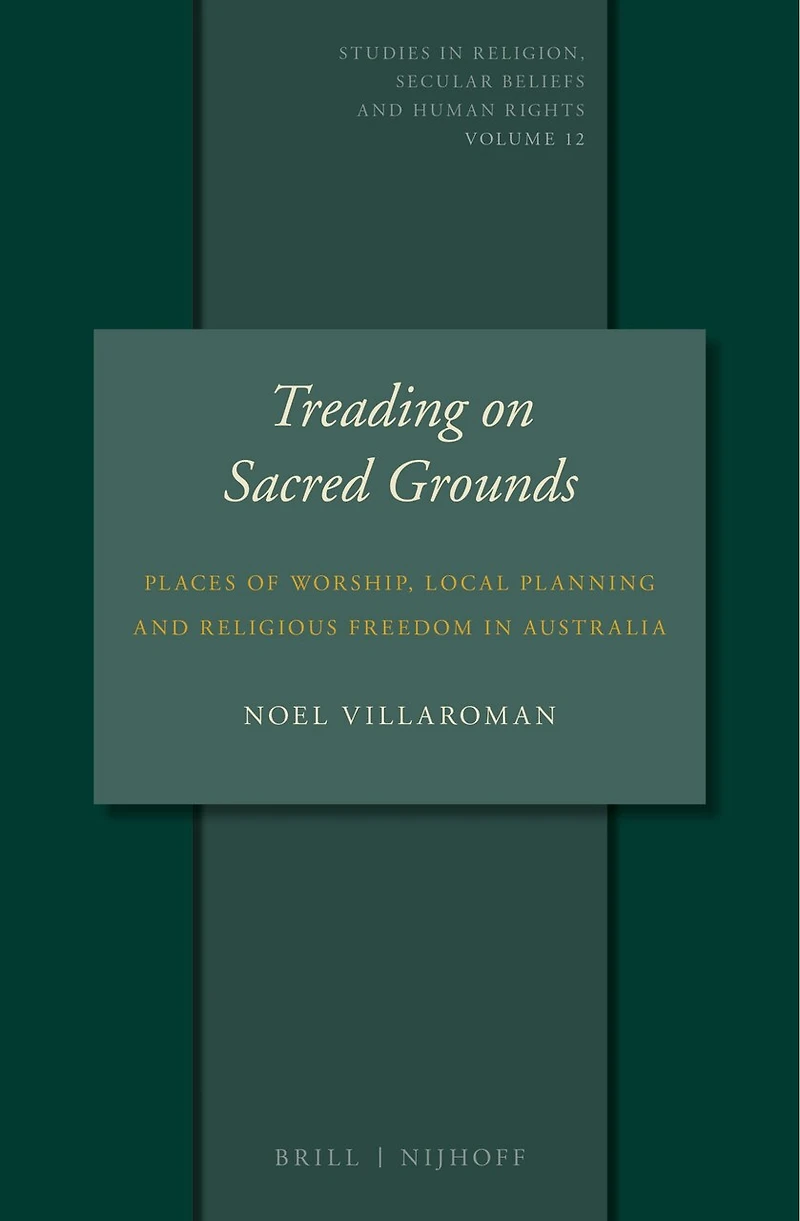
Treading on Sacred Grounds: Places of Worship, Local Planning and Religious Freedom in Australia
Current price: $257.99

Treading on Sacred Grounds: Places of Worship, Local Planning and Religious Freedom in Australia
Current price: $257.99
Loading Inventory...
Size: Hardcover
*Product information may vary - to confirm product availability, pricing, shipping and return information please contact Indigo
In Treading on Sacred Grounds: Places of Worship, Local Planning and Religious Freedom in Australia , Noel Villaroman analyses the engagement of religious groups with local councils in Australia in their applications to build places of worship. Such applications often encounter opposition from local residents who are reluctant to share their neighbourhood or street with the newly arrived and less known ‘other.’ The local councils, being the planning authority that grants or refuses such applications, are caught in the middle of these disputes. Using the lens of international human rights law, the book probes the local councils’ actions and their repercussions to religious freedom. The book has concrete legal and social implications that it is bound to impact not only legal scholarship but also, crucially, policy makers.
In Treading on Sacred Grounds: Places of Worship, Local Planning and Religious Freedom in Australia , Noel Villaroman analyses the engagement of religious groups with local councils in Australia in their applications to build places of worship. Such applications often encounter opposition from local residents who are reluctant to share their neighbourhood or street with the newly arrived and less known ‘other.’ The local councils, being the planning authority that grants or refuses such applications, are caught in the middle of these disputes. Using the lens of international human rights law, the book probes the local councils’ actions and their repercussions to religious freedom. The book has concrete legal and social implications that it is bound to impact not only legal scholarship but also, crucially, policy makers.
You May Also Like










More About Indigo at Erin Mills Town Centre
The largest book retailer in Canada also offers toys, music, home décor, gifts and lifestyle products. What's Inside...Books, Magazines, CD’s and DVD’s, Toys and Gifts, Home Accents, Electronics, Baby’s and Children’s Section, Bath and Body, Kitchen and Bedroom, Stationary Located outside in the exterior plaza.
5015 Glen Erin Dr, Mississauga, ON L5M 0R7, Canada
Find Indigo at Erin Mills Town Centre in Mississauga ON
Visit Indigo at Erin Mills Town Centre in Mississauga ON