

GIVE THE PERFECT GIFT
Erin Mills Town Centre Gift Cards are the perfect choice for your gift giving needs.Purchase gift cards at kiosks near the food court or centre court, at Guest Services, or click below to purchase online.PURCHASE HEREHome
Treatise on Zoology - Anatomy, Taxonomy, Biology. The Myriapoda, Volume 1
Indigo
Loading Inventory...
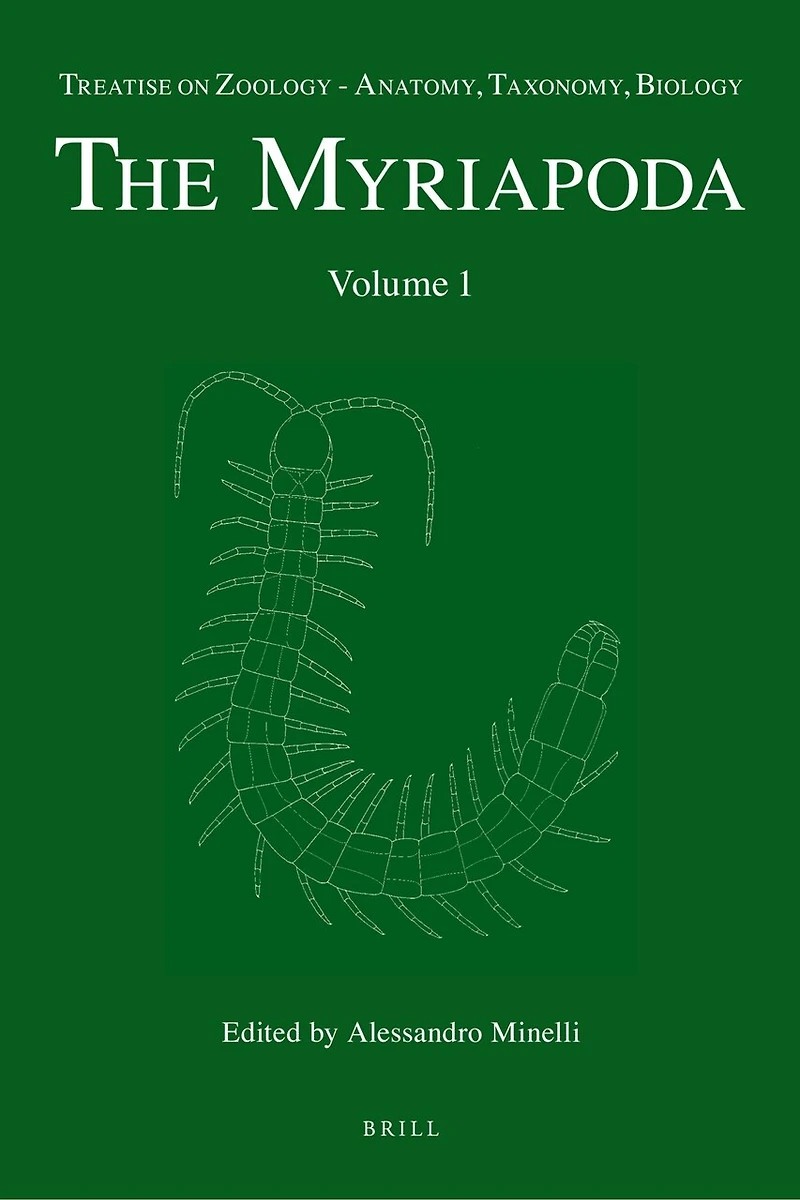
Treatise on Zoology - Anatomy, Taxonomy, Biology. The Myriapoda, Volume 1
Current price: $438.99

Treatise on Zoology - Anatomy, Taxonomy, Biology. The Myriapoda, Volume 1
Current price: $438.99
Loading Inventory...
Size: Hardcover
*Product information may vary - to confirm product availability, pricing, shipping and return information please contact Indigo
Myriapods are the only major zoological group for which a modern encyclopedic treatment has never been produced. In particular, this was the single major gap in the largest zoological treatise of the XIX century (Grassé’s Traité de Zoologie), whose publication has recently been stopped. The two volumes of “The Myriapoda” fill that gap with an updated treatment in the English language.
Volume I opens with an introductory treatment of myriapod affinities and phylogeny. The following chapters are mostly devoted to the Chilopoda or centipedes, extensively treated from the point of view of external and internal morphology, physiology, reproduction, development, distribution, ecology, phylogeny and taxonomy. All currently recognized suprageneric and generic taxa are considered. Additional chapters deal with the two smaller myriapod classes, the Symphyla and the Pauropoda.
All groups and features are extensively illustrated by line drawings and micrographs and living specimens of representative species of the main groups are presented in color photographs.
Myriapods are the only major zoological group for which a modern encyclopedic treatment has never been produced. In particular, this was the single major gap in the largest zoological treatise of the XIX century (Grassé’s Traité de Zoologie), whose publication has recently been stopped. The two volumes of “The Myriapoda” fill that gap with an updated treatment in the English language.
Volume I opens with an introductory treatment of myriapod affinities and phylogeny. The following chapters are mostly devoted to the Chilopoda or centipedes, extensively treated from the point of view of external and internal morphology, physiology, reproduction, development, distribution, ecology, phylogeny and taxonomy. All currently recognized suprageneric and generic taxa are considered. Additional chapters deal with the two smaller myriapod classes, the Symphyla and the Pauropoda.
All groups and features are extensively illustrated by line drawings and micrographs and living specimens of representative species of the main groups are presented in color photographs.
You May Also Like











More About Indigo at Erin Mills Town Centre
The largest book retailer in Canada also offers toys, music, home décor, gifts and lifestyle products. What's Inside...Books, Magazines, CD’s and DVD’s, Toys and Gifts, Home Accents, Electronics, Baby’s and Children’s Section, Bath and Body, Kitchen and Bedroom, Stationary Located outside in the exterior plaza.
5015 Glen Erin Dr, Mississauga, ON L5M 0R7, Canada
Find Indigo at Erin Mills Town Centre in Mississauga ON
Visit Indigo at Erin Mills Town Centre in Mississauga ON