

GIVE THE PERFECT GIFT
Erin Mills Town Centre Gift Cards are the perfect choice for your gift giving needs.Purchase gift cards at kiosks near the food court or centre court, at Guest Services, or click below to purchase online.PURCHASE HEREHome
Treatment of Agroindustrial Biomass Residues: A Sustainable Approach
Indigo
Loading Inventory...
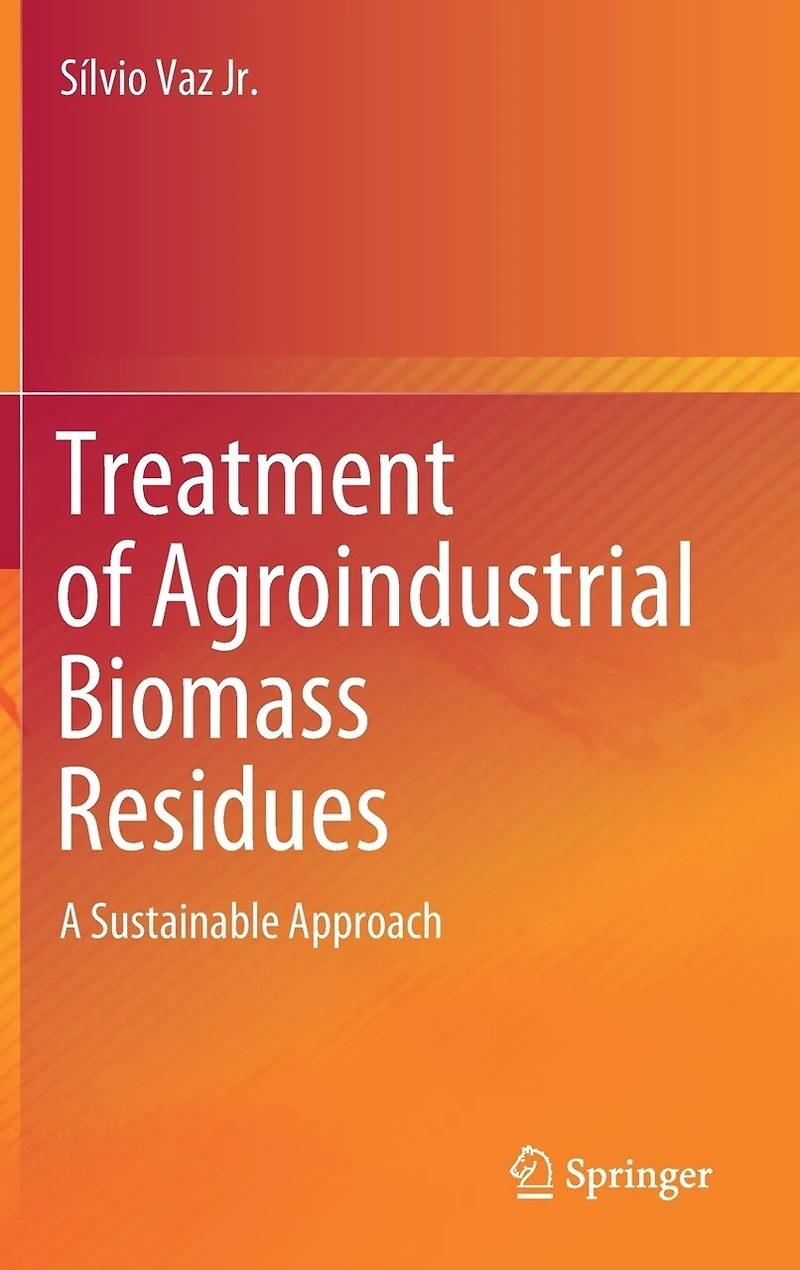
Treatment of Agroindustrial Biomass Residues: A Sustainable Approach
Current price: $160.95

Treatment of Agroindustrial Biomass Residues: A Sustainable Approach
Current price: $160.95
Loading Inventory...
Size: Hardcover
*Product information may vary - to confirm product availability, pricing, shipping and return information please contact Indigo
This book provides an indispensable reference guide to the sustainable control and treatment of biomass residues from a wide variety of agroindustrial sources, e.g. sugarcane, livestock, pulp & paper, food wastes, among others. Pursuing a structured and clear approach, the book opens with a general introduction to biomass, sustainability and environmental chemistry aspects, and on how the use of biomass as a renewable material ties into the UN's Sustainable Development Goals. The book subsequently presents analytical methods applied to different biomass types and their residues and reviews monitoring and treatment strategies in order to avoid pollution of the same. The book closes by describing the value chains, bioeconomy and circular economy for globally relevant agroindustrial biomass. The book is intended for researchers in academia and industry alike and shows how, in addition to sustainability criteria and life cycle assessments, integrating environmental chemistry aspects can contribute to a holistic approach, and unlock the economic potential of biomass in the age of circular economy and sustainable development.
This book provides an indispensable reference guide to the sustainable control and treatment of biomass residues from a wide variety of agroindustrial sources, e.g. sugarcane, livestock, pulp & paper, food wastes, among others. Pursuing a structured and clear approach, the book opens with a general introduction to biomass, sustainability and environmental chemistry aspects, and on how the use of biomass as a renewable material ties into the UN's Sustainable Development Goals. The book subsequently presents analytical methods applied to different biomass types and their residues and reviews monitoring and treatment strategies in order to avoid pollution of the same. The book closes by describing the value chains, bioeconomy and circular economy for globally relevant agroindustrial biomass. The book is intended for researchers in academia and industry alike and shows how, in addition to sustainability criteria and life cycle assessments, integrating environmental chemistry aspects can contribute to a holistic approach, and unlock the economic potential of biomass in the age of circular economy and sustainable development.
You May Also Like







More About Indigo at Erin Mills Town Centre
The largest book retailer in Canada also offers toys, music, home décor, gifts and lifestyle products. What's Inside...Books, Magazines, CD’s and DVD’s, Toys and Gifts, Home Accents, Electronics, Baby’s and Children’s Section, Bath and Body, Kitchen and Bedroom, Stationary Located outside in the exterior plaza.
5015 Glen Erin Dr, Mississauga, ON L5M 0R7, Canada
Find Indigo at Erin Mills Town Centre in Mississauga ON
Visit Indigo at Erin Mills Town Centre in Mississauga ON