

GIVE THE PERFECT GIFT
Erin Mills Town Centre Gift Cards are the perfect choice for your gift giving needs.Purchase gift cards at kiosks near the food court or centre court, at Guest Services, or click below to purchase online.PURCHASE HEREHome
Tree-kangaroos of Australia and New Guinea
Indigo
Loading Inventory...
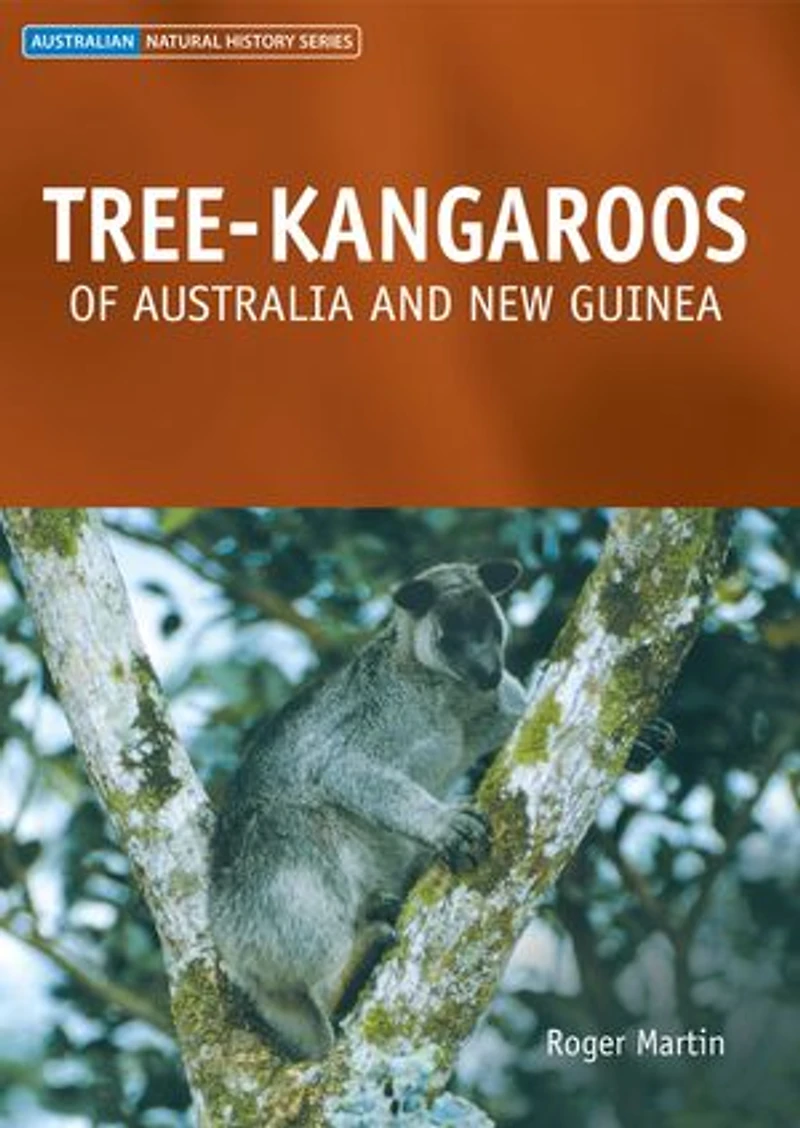
Tree-kangaroos of Australia and New Guinea
Current price: $19.49
Original price: $24.36

Tree-kangaroos of Australia and New Guinea
Current price: $19.49
Original price: $24.36
Loading Inventory...
Size: Kobo eBook
*Product information may vary - to confirm product availability, pricing, shipping and return information please contact Indigo
To many people, the suggestion that a kangaroo could live up a tree is fantasy. Yet, in the rainforests of Far North Queensland and New Guinea, there are extraordinary kangaroos that do just that. Many aspects of these marsupials' anatomy and biology suggest a terrestrial kangaroo ancestor. Yet no one has, so far, come forward with a convincing explanation of how, why and when mammals that was so superbly adapted for life on the ground should end up back in the trees. This book reviews the natural history and biology of tree-kangaroos from the time of their first discovery by Europeans in the jungles of West Papua in 1826 right up to the present day, covering the latest research being conducted in Australian and New Guinea. Combining information from a number of disparate disciplines, the author sets forth the first explanation of this apparent evolutionary conundrum.
To many people, the suggestion that a kangaroo could live up a tree is fantasy. Yet, in the rainforests of Far North Queensland and New Guinea, there are extraordinary kangaroos that do just that. Many aspects of these marsupials' anatomy and biology suggest a terrestrial kangaroo ancestor. Yet no one has, so far, come forward with a convincing explanation of how, why and when mammals that was so superbly adapted for life on the ground should end up back in the trees. This book reviews the natural history and biology of tree-kangaroos from the time of their first discovery by Europeans in the jungles of West Papua in 1826 right up to the present day, covering the latest research being conducted in Australian and New Guinea. Combining information from a number of disparate disciplines, the author sets forth the first explanation of this apparent evolutionary conundrum.
You May Also Like









More About Indigo at Erin Mills Town Centre
The largest book retailer in Canada also offers toys, music, home décor, gifts and lifestyle products. What's Inside...Books, Magazines, CD’s and DVD’s, Toys and Gifts, Home Accents, Electronics, Baby’s and Children’s Section, Bath and Body, Kitchen and Bedroom, Stationary Located outside in the exterior plaza.
5015 Glen Erin Dr, Mississauga, ON L5M 0R7, Canada
Find Indigo at Erin Mills Town Centre in Mississauga ON
Visit Indigo at Erin Mills Town Centre in Mississauga ON