

GIVE THE PERFECT GIFT
Erin Mills Town Centre Gift Cards are the perfect choice for your gift giving needs.Purchase gift cards at kiosks near the food court or centre court, at Guest Services, or click below to purchase online.PURCHASE HEREHome
Trees: Structure and Function
Indigo
Loading Inventory...
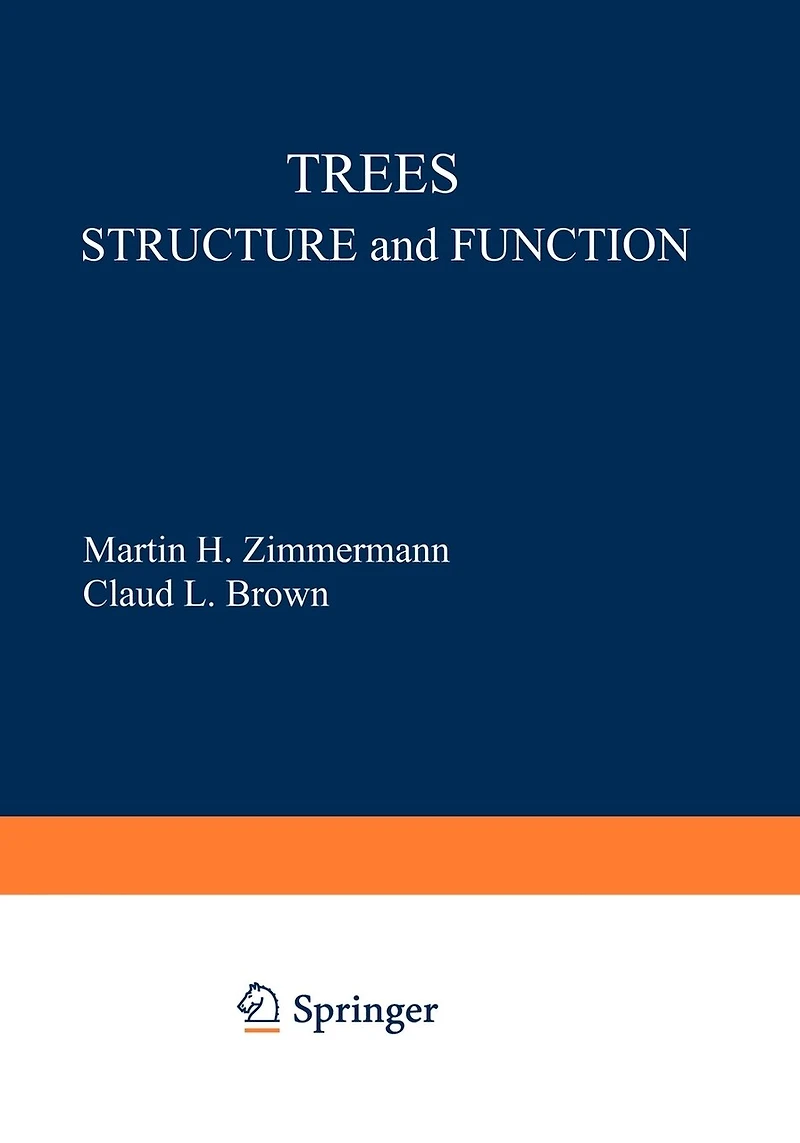
Trees: Structure and Function
Current price: $80.50

Trees: Structure and Function
Current price: $80.50
Loading Inventory...
Size: Paperback
*Product information may vary - to confirm product availability, pricing, shipping and return information please contact Indigo
Trees have the distinction of being the largest and oldest living organisms on earth. Although the herbaceous habit has made unprecedented evolutionary gains since the middle and late Cenozoic, trees still are the most conspicuous plants covering the habitable land surface of the earth. Man has long sought their shelter and protection, utilized their food and fiber, and often exploited them to his own detriment. Trees have always been of much interest to botanists, and many of the early investigations concerning the structure and function of plants were conducted with trees. At the beginning of the present century the use of trees for basic investigations began to decline. The reasons for this are obvious. Investigations of structure and function began to shift from whole organisms to tissues, then to individual cells, and finally to cellular organelles and subcellular particles. Physiological research became increasingly more detailed and complex, requiring more and more precisely controlled laboratory conditions. Hence, a relatively small number of herbaceous plants, various unicellular algae, fungi, and bacteria have become standard research material in most laboratories.
Trees have the distinction of being the largest and oldest living organisms on earth. Although the herbaceous habit has made unprecedented evolutionary gains since the middle and late Cenozoic, trees still are the most conspicuous plants covering the habitable land surface of the earth. Man has long sought their shelter and protection, utilized their food and fiber, and often exploited them to his own detriment. Trees have always been of much interest to botanists, and many of the early investigations concerning the structure and function of plants were conducted with trees. At the beginning of the present century the use of trees for basic investigations began to decline. The reasons for this are obvious. Investigations of structure and function began to shift from whole organisms to tissues, then to individual cells, and finally to cellular organelles and subcellular particles. Physiological research became increasingly more detailed and complex, requiring more and more precisely controlled laboratory conditions. Hence, a relatively small number of herbaceous plants, various unicellular algae, fungi, and bacteria have become standard research material in most laboratories.
You May Also Like







More About Indigo at Erin Mills Town Centre
The largest book retailer in Canada also offers toys, music, home décor, gifts and lifestyle products. What's Inside...Books, Magazines, CD’s and DVD’s, Toys and Gifts, Home Accents, Electronics, Baby’s and Children’s Section, Bath and Body, Kitchen and Bedroom, Stationary Located outside in the exterior plaza.
5015 Glen Erin Dr, Mississauga, ON L5M 0R7, Canada
Find Indigo at Erin Mills Town Centre in Mississauga ON
Visit Indigo at Erin Mills Town Centre in Mississauga ON