

GIVE THE PERFECT GIFT
Erin Mills Town Centre Gift Cards are the perfect choice for your gift giving needs.Purchase gift cards at kiosks near the food court or centre court, at Guest Services, or click below to purchase online.PURCHASE HEREHome
Trial Narratives: Conflict, Power, and Identity in the New Testament
Indigo
Loading Inventory...
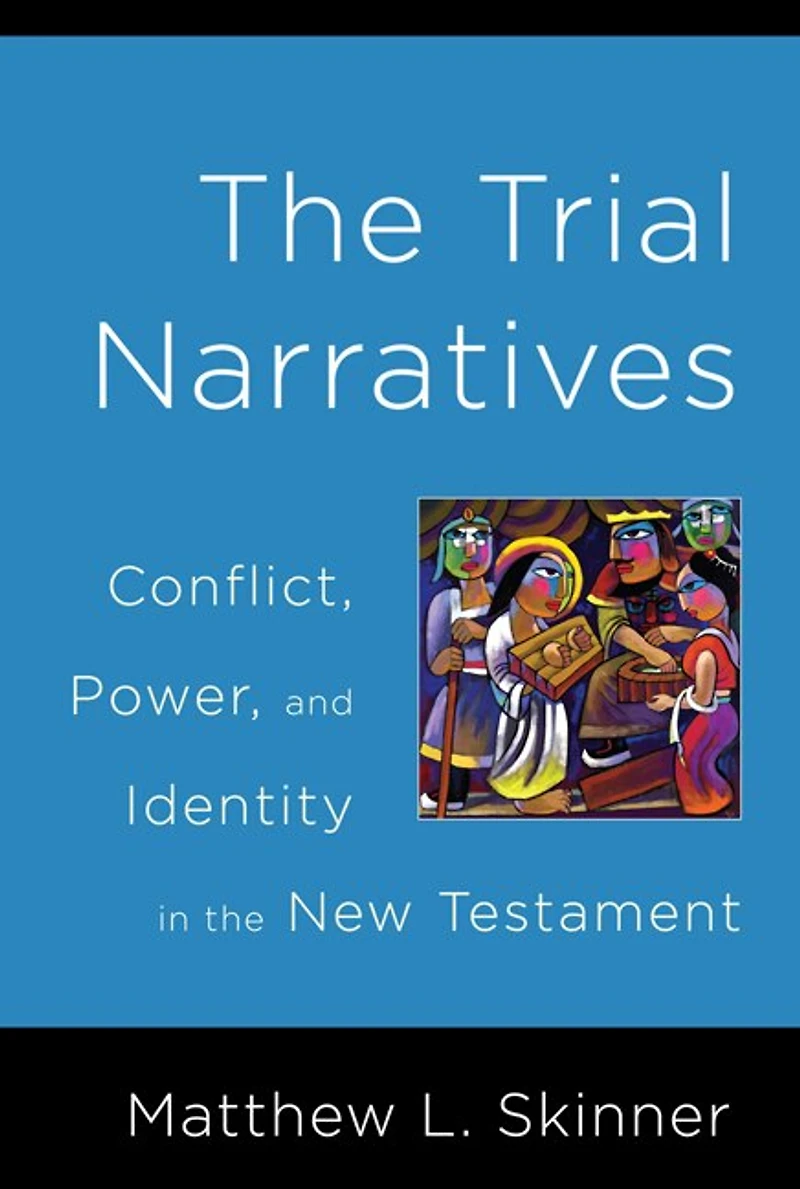
Trial Narratives: Conflict, Power, and Identity in the New Testament
Current price: $52.00

Trial Narratives: Conflict, Power, and Identity in the New Testament
Current price: $52.00
Loading Inventory...
Size: Paperback
*Product information may vary - to confirm product availability, pricing, shipping and return information please contact Indigo
In this careful analysis, Matthew Skinner explores the trial narratives of Jesus, Paul, Stephen, and others in the Gospels and Acts who found themselves brought before powerful individuals and groups, often with deadly consequences. His close study of these texts is essential for those interested in the early church's relationship to the sociopolitical structures in which Christian belief emerged. He shows how the narratives helped shape early Christian identity as these communities sought to understand both the political implications of the emerging Christian gospel as well as the dangers and opportunities their sociopolitical context presented. He also reflects on the theological resources and paradigms these texts offer to Christians today.
In this careful analysis, Matthew Skinner explores the trial narratives of Jesus, Paul, Stephen, and others in the Gospels and Acts who found themselves brought before powerful individuals and groups, often with deadly consequences. His close study of these texts is essential for those interested in the early church's relationship to the sociopolitical structures in which Christian belief emerged. He shows how the narratives helped shape early Christian identity as these communities sought to understand both the political implications of the emerging Christian gospel as well as the dangers and opportunities their sociopolitical context presented. He also reflects on the theological resources and paradigms these texts offer to Christians today.
You May Also Like







More About Indigo at Erin Mills Town Centre
The largest book retailer in Canada also offers toys, music, home décor, gifts and lifestyle products. What's Inside...Books, Magazines, CD’s and DVD’s, Toys and Gifts, Home Accents, Electronics, Baby’s and Children’s Section, Bath and Body, Kitchen and Bedroom, Stationary Located outside in the exterior plaza.
5015 Glen Erin Dr, Mississauga, ON L5M 0R7, Canada
Find Indigo at Erin Mills Town Centre in Mississauga ON
Visit Indigo at Erin Mills Town Centre in Mississauga ON