

GIVE THE PERFECT GIFT
Erin Mills Town Centre Gift Cards are the perfect choice for your gift giving needs.Purchase gift cards at kiosks near the food court or centre court, at Guest Services, or click below to purchase online.PURCHASE HEREHome
Tunisia: Crossroads of Islamic and European Worlds
Indigo
Loading Inventory...
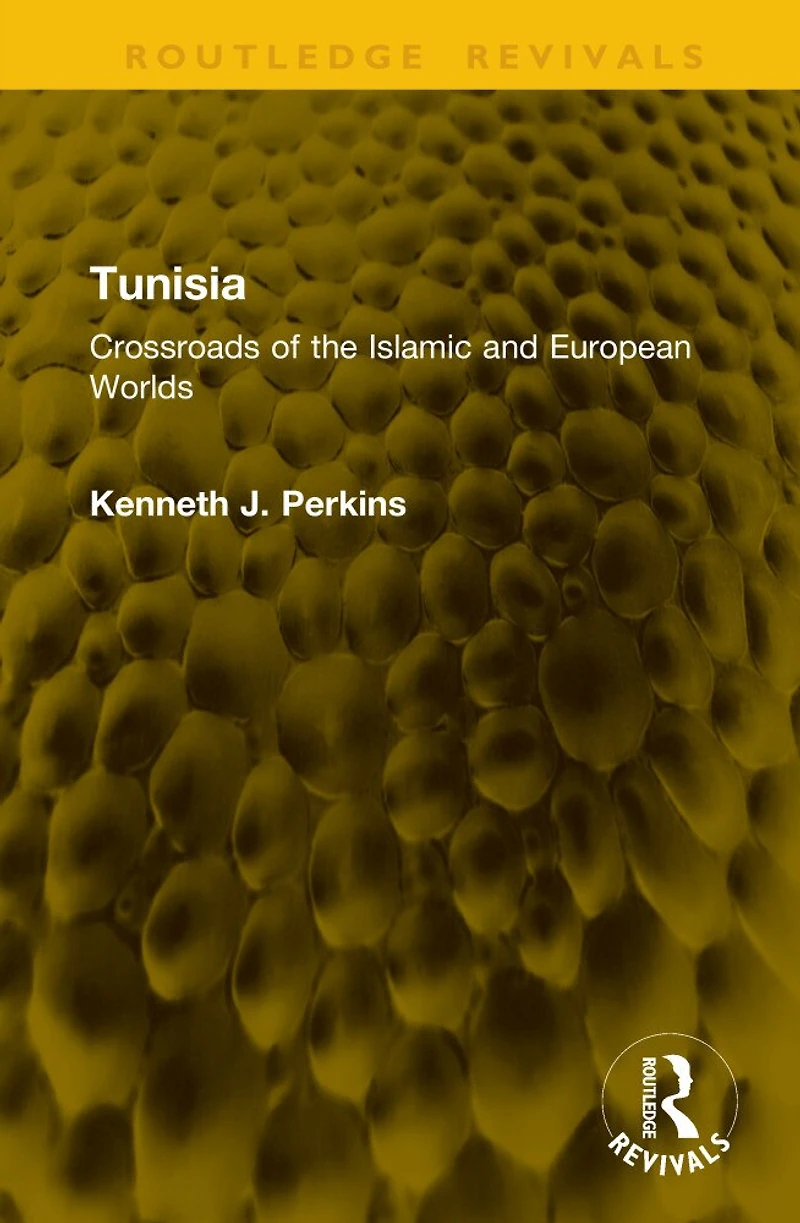
Tunisia: Crossroads of Islamic and European Worlds
Current price: $186.50

Tunisia: Crossroads of Islamic and European Worlds
Current price: $186.50
Loading Inventory...
Size: Hardcover
*Product information may vary - to confirm product availability, pricing, shipping and return information please contact Indigo
First published in 1986, Tunisia : Crossroads of the Islamic and European Worlds presents a comprehensive overview of Tunisian history along with its political and governmental structures and the role of Habib Bourguiba and other nationalist leaders in moulding those institutions and in controlling them since independence. Tunisia's location at the middle of Africa's Mediterranean coast and at the edge of the Sahara has made the exposure of its people to the cultures of the Middle East, Europe, and Africa inevitable. Indeed, Tunisia has often been a conduit for the passage of ideas from one of these regions to another. Of all the influences that have helped shape modern Tunisian society, however, two stand out: the country's enduring commitment to Islam and its extensive contacts with Europe culminating in three quarters of a century of French rule from 1881 to 1956. The book focuses on the process of extensive social and economic change since 1956 that has dramatically altered Tunisian society and affected the lives of all Tunisians. It concludes with the study of Tunisia's foreign policy, stressing the country's status as a small state surrounded by more powerful, less moderate nations. Tunisia's handling of such regional issues as the Arab-Israeli problem and the upsurge of Islamic fundamentalism is considered, as are its relations with the superpowers and its European and African neighbours. With a new preface to the reissue, this book is an important historical reference work for scholars and researchers of African Studies and African history.
First published in 1986, Tunisia : Crossroads of the Islamic and European Worlds presents a comprehensive overview of Tunisian history along with its political and governmental structures and the role of Habib Bourguiba and other nationalist leaders in moulding those institutions and in controlling them since independence. Tunisia's location at the middle of Africa's Mediterranean coast and at the edge of the Sahara has made the exposure of its people to the cultures of the Middle East, Europe, and Africa inevitable. Indeed, Tunisia has often been a conduit for the passage of ideas from one of these regions to another. Of all the influences that have helped shape modern Tunisian society, however, two stand out: the country's enduring commitment to Islam and its extensive contacts with Europe culminating in three quarters of a century of French rule from 1881 to 1956. The book focuses on the process of extensive social and economic change since 1956 that has dramatically altered Tunisian society and affected the lives of all Tunisians. It concludes with the study of Tunisia's foreign policy, stressing the country's status as a small state surrounded by more powerful, less moderate nations. Tunisia's handling of such regional issues as the Arab-Israeli problem and the upsurge of Islamic fundamentalism is considered, as are its relations with the superpowers and its European and African neighbours. With a new preface to the reissue, this book is an important historical reference work for scholars and researchers of African Studies and African history.
You May Also Like








More About Indigo at Erin Mills Town Centre
The largest book retailer in Canada also offers toys, music, home décor, gifts and lifestyle products. What's Inside...Books, Magazines, CD’s and DVD’s, Toys and Gifts, Home Accents, Electronics, Baby’s and Children’s Section, Bath and Body, Kitchen and Bedroom, Stationary Located outside in the exterior plaza.
5015 Glen Erin Dr, Mississauga, ON L5M 0R7, Canada
Find Indigo at Erin Mills Town Centre in Mississauga ON
Visit Indigo at Erin Mills Town Centre in Mississauga ON