

GIVE THE PERFECT GIFT
Erin Mills Town Centre Gift Cards are the perfect choice for your gift giving needs.Purchase gift cards at kiosks near the food court or centre court, at Guest Services, or click below to purchase online.PURCHASE HEREHome
Turner's Secret Sketches
Indigo
Loading Inventory...
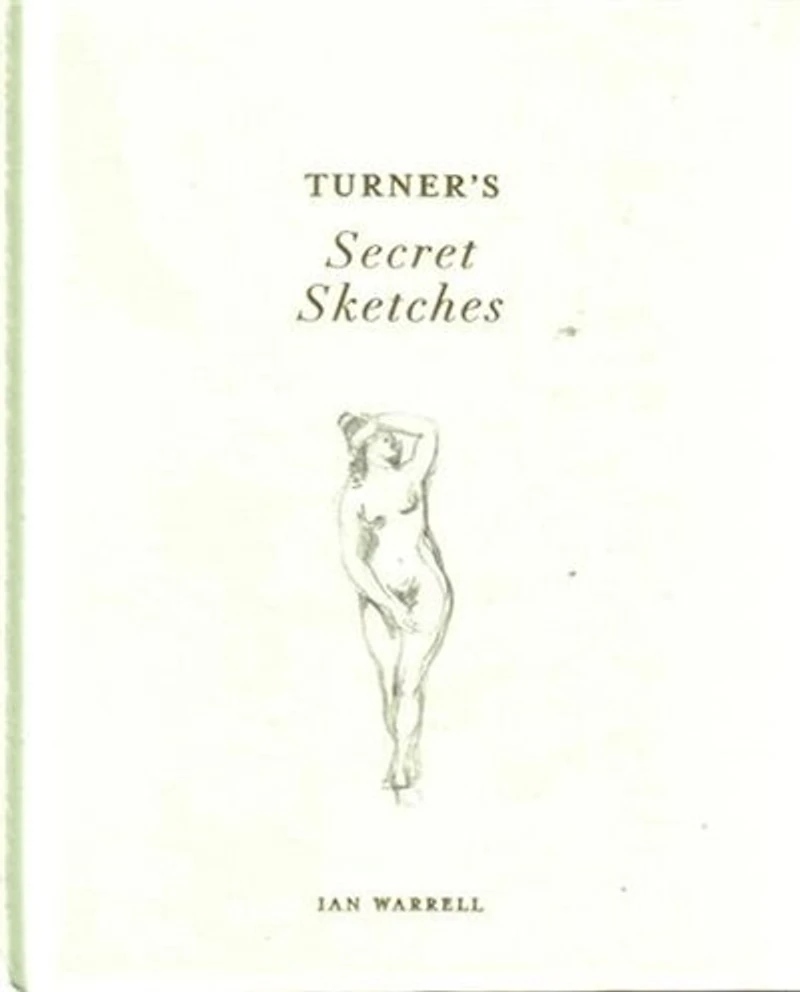
Turner's Secret Sketches
By None
Current price: $27.95

By None
Turner's Secret Sketches
Current price: $27.95
Loading Inventory...
Size: Hardcover
*Product information may vary - to confirm product availability, pricing, shipping and return information please contact Indigo
The paintings of J.M.W. Turner (1775–1851) are admired by art lovers everywhere. This book reveals a new side of Turner: his erotic drawings. Until a few years ago, biographies of both Turner and critic John Ruskin claimed that in 1858 Ruskin burned bundles of erotic paintings and drawings in a fit of embarrassed Victorian censorship, to protect the artist’s reputation. However, in 2005 Turner scholar Ian Warrell suggested that the alleged burning never took place, and that almost all of the allegedly destroyed drawings are actually in the Tate collection, part of the Turner Bequest. Here Warrell explores this little-known aspect of the artist’s work in detail, placing the work in the context of Turner’s social and artistic milieu, contemporary preoccupations with art for public and “private” consumption, and the intricacies of the artist’s personal life and canonical works.
The paintings of J.M.W. Turner (1775–1851) are admired by art lovers everywhere. This book reveals a new side of Turner: his erotic drawings. Until a few years ago, biographies of both Turner and critic John Ruskin claimed that in 1858 Ruskin burned bundles of erotic paintings and drawings in a fit of embarrassed Victorian censorship, to protect the artist’s reputation. However, in 2005 Turner scholar Ian Warrell suggested that the alleged burning never took place, and that almost all of the allegedly destroyed drawings are actually in the Tate collection, part of the Turner Bequest. Here Warrell explores this little-known aspect of the artist’s work in detail, placing the work in the context of Turner’s social and artistic milieu, contemporary preoccupations with art for public and “private” consumption, and the intricacies of the artist’s personal life and canonical works.
You May Also Like










More About Indigo at Erin Mills Town Centre
The largest book retailer in Canada also offers toys, music, home décor, gifts and lifestyle products. What's Inside...Books, Magazines, CD’s and DVD’s, Toys and Gifts, Home Accents, Electronics, Baby’s and Children’s Section, Bath and Body, Kitchen and Bedroom, Stationary Located outside in the exterior plaza.
5015 Glen Erin Dr, Mississauga, ON L5M 0R7, Canada
Find Indigo at Erin Mills Town Centre in Mississauga ON
Visit Indigo at Erin Mills Town Centre in Mississauga ON