

GIVE THE PERFECT GIFT
Erin Mills Town Centre Gift Cards are the perfect choice for your gift giving needs.Purchase gift cards at kiosks near the food court or centre court, at Guest Services, or click below to purchase online.PURCHASE HEREHome
Twenty Thousand Leagues Under the Sea
Indigo
Loading Inventory...
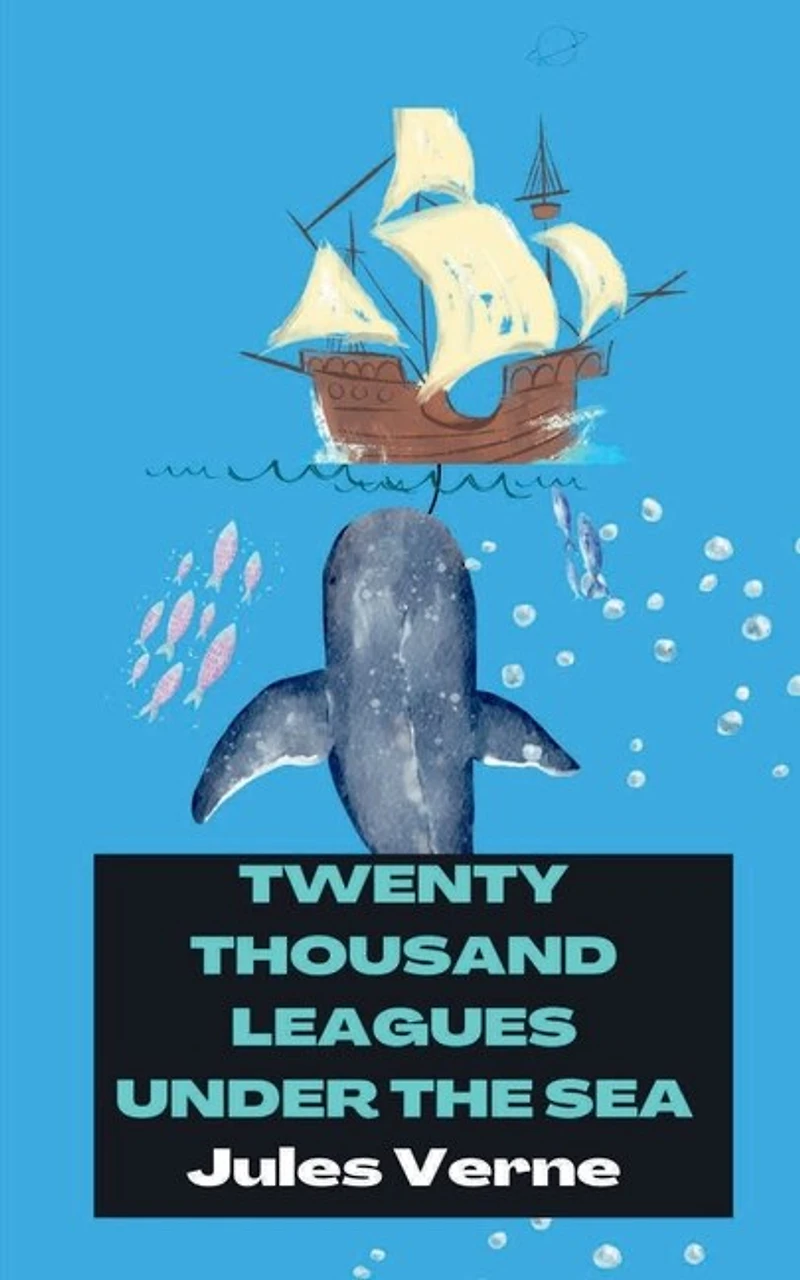
Twenty Thousand Leagues Under the Sea
Current price: $32.99

Twenty Thousand Leagues Under the Sea
Current price: $32.99
Loading Inventory...
Size: Paperback
*Product information may vary - to confirm product availability, pricing, shipping and return information please contact Indigo
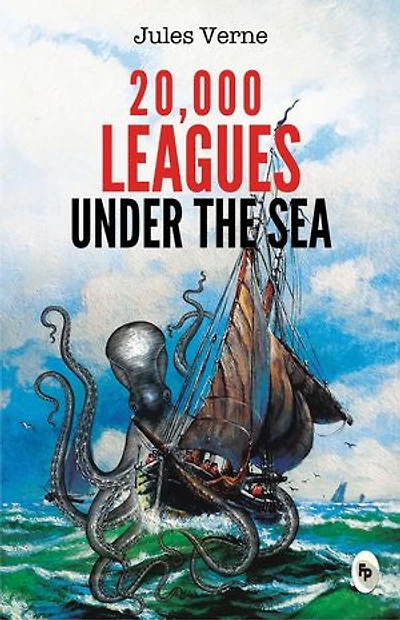
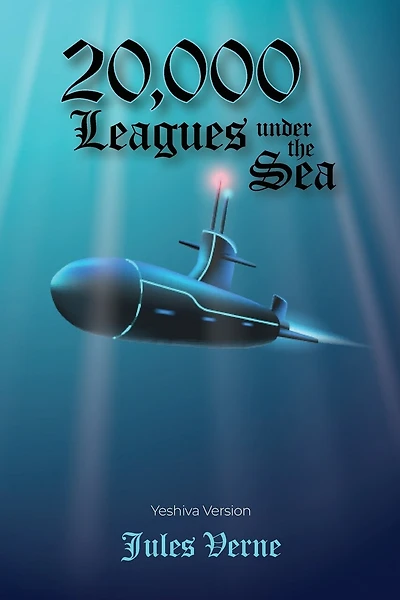
Twenty Thousand Leagues Under the Seas is a classic science fiction adventure novel by French writer Jules Verne. The novel was originally serialized from March 1869 through June 1870 in Pierre-Jules Hetzel's fortnightly periodical, the Magasin d'éducation et de récréation. A deluxe octavo edition, published by Hetzel in November 1871. The book was widely acclaimed on its release and remains so; it is regarded as one of the premier adventure novels and one of Verne's greatest works, along with Around the World in Eighty Days and Journey to the Center of the Earth. Its depiction of Captain Nemo's underwater ship, the Nautilus, is regarded as ahead of its time, since it accurately describes many features of today's submarines, which in the 1860s were comparatively primitive vessels.
Twenty Thousand Leagues Under the Seas is a classic science fiction adventure novel by French writer Jules Verne. The novel was originally serialized from March 1869 through June 1870 in Pierre-Jules Hetzel's fortnightly periodical, the Magasin d'éducation et de récréation. A deluxe octavo edition, published by Hetzel in November 1871. The book was widely acclaimed on its release and remains so; it is regarded as one of the premier adventure novels and one of Verne's greatest works, along with Around the World in Eighty Days and Journey to the Center of the Earth. Its depiction of Captain Nemo's underwater ship, the Nautilus, is regarded as ahead of its time, since it accurately describes many features of today's submarines, which in the 1860s were comparatively primitive vessels.
You May Also Like








More About Indigo at Erin Mills Town Centre
The largest book retailer in Canada also offers toys, music, home décor, gifts and lifestyle products. What's Inside...Books, Magazines, CD’s and DVD’s, Toys and Gifts, Home Accents, Electronics, Baby’s and Children’s Section, Bath and Body, Kitchen and Bedroom, Stationary Located outside in the exterior plaza.
5015 Glen Erin Dr, Mississauga, ON L5M 0R7, Canada
Find Indigo at Erin Mills Town Centre in Mississauga ON
Visit Indigo at Erin Mills Town Centre in Mississauga ON