

GIVE THE PERFECT GIFT
Erin Mills Town Centre Gift Cards are the perfect choice for your gift giving needs.Purchase gift cards at kiosks near the food court or centre court, at Guest Services, or click below to purchase online.PURCHASE HEREHome
UI LUKKO NÜÑ-2
Indigo
Loading Inventory...
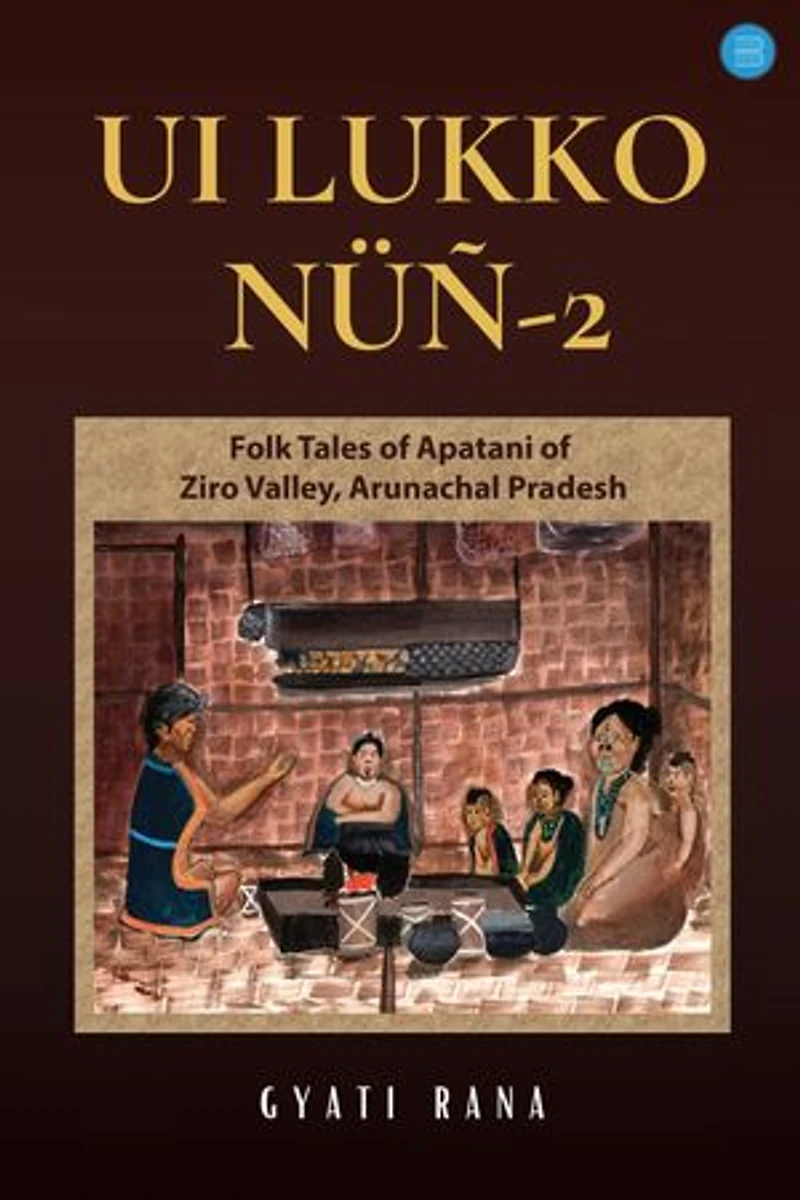
UI LUKKO NÜÑ-2
Current price: $2.99

UI LUKKO NÜÑ-2
Current price: $2.99
Loading Inventory...
Size: Kobo eBook
*Product information may vary - to confirm product availability, pricing, shipping and return information please contact Indigo
Ui Lukkò Niiñ-2," by Gyati Rana, is a compilation of Apatani folktales that deeply explores the cultural heritage of the Apatani community in Ziro Valley. The book includes myths, folklore, and mythology, providing valuable insights into Apatani traditions, culture, values, and worldviews.
The first chapter, "Hulu," narrates the origins of knowledge through the story of Charun, the God of wisdom. The tale of Shu-Myoro emphasizes the deity's relationship with Abotani and his descendants, focusing on environmental stewardship. Additional stories cover Abotani's surreal journey, the origins of the Myoko festival, and the transformation of Karin Dacha. The book also includes legends of the first Apatani agriculturists, the origins of a solar eclipse, and the deep connection of the Apatani people to their land, along with the myth behind the evolution of the ovomancy tradition.
These translated stories offer readers a deeper understanding of the Indigenous faith and culture of the Apatani people.
Ui Lukkò Niiñ-2," by Gyati Rana, is a compilation of Apatani folktales that deeply explores the cultural heritage of the Apatani community in Ziro Valley. The book includes myths, folklore, and mythology, providing valuable insights into Apatani traditions, culture, values, and worldviews.
The first chapter, "Hulu," narrates the origins of knowledge through the story of Charun, the God of wisdom. The tale of Shu-Myoro emphasizes the deity's relationship with Abotani and his descendants, focusing on environmental stewardship. Additional stories cover Abotani's surreal journey, the origins of the Myoko festival, and the transformation of Karin Dacha. The book also includes legends of the first Apatani agriculturists, the origins of a solar eclipse, and the deep connection of the Apatani people to their land, along with the myth behind the evolution of the ovomancy tradition.
These translated stories offer readers a deeper understanding of the Indigenous faith and culture of the Apatani people.
You May Also Like










More About Indigo at Erin Mills Town Centre
The largest book retailer in Canada also offers toys, music, home décor, gifts and lifestyle products. What's Inside...Books, Magazines, CD’s and DVD’s, Toys and Gifts, Home Accents, Electronics, Baby’s and Children’s Section, Bath and Body, Kitchen and Bedroom, Stationary Located outside in the exterior plaza.
5015 Glen Erin Dr, Mississauga, ON L5M 0R7, Canada
Find Indigo at Erin Mills Town Centre in Mississauga ON
Visit Indigo at Erin Mills Town Centre in Mississauga ON