

GIVE THE PERFECT GIFT
Erin Mills Town Centre Gift Cards are the perfect choice for your gift giving needs.Purchase gift cards at kiosks near the food court or centre court, at Guest Services, or click below to purchase online.PURCHASE HEREHome
Understanding Statistics and Experimental Design: How to Not Lie with Statistics
Indigo
Loading Inventory...
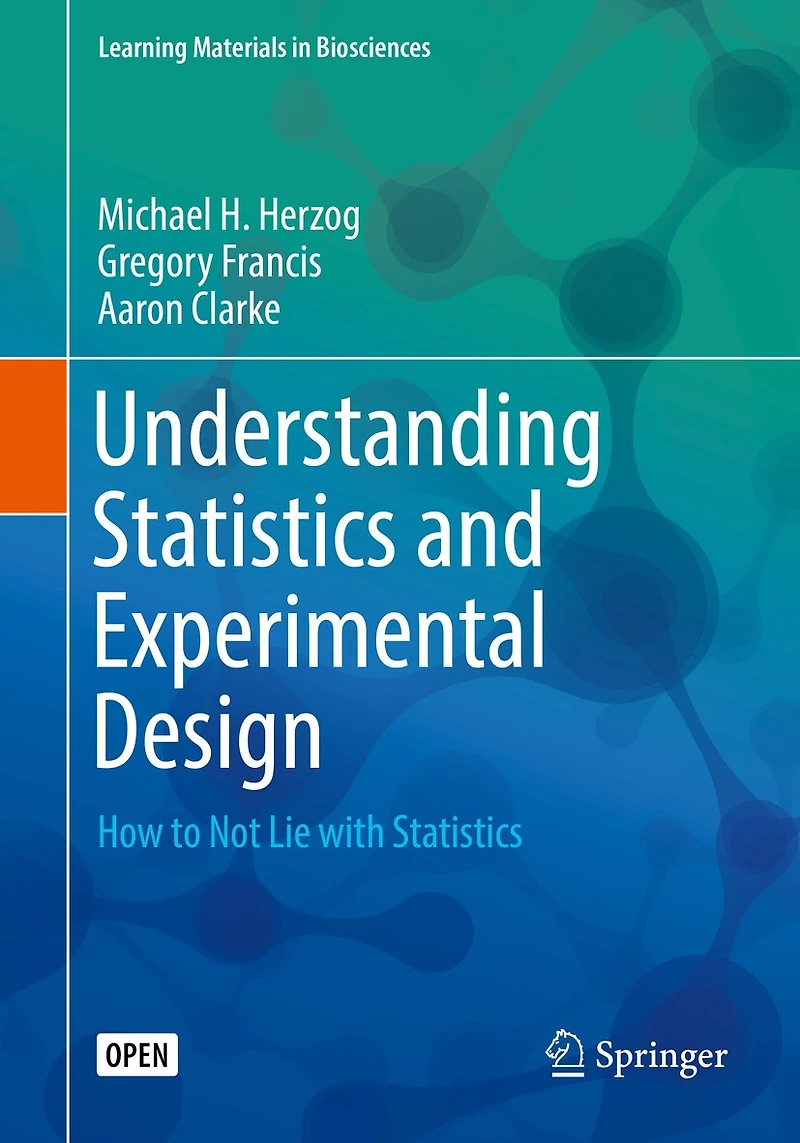
Understanding Statistics and Experimental Design: How to Not Lie with Statistics
Current price: $87.95

Understanding Statistics and Experimental Design: How to Not Lie with Statistics
Current price: $87.95
Loading Inventory...
Size: Paperback
*Product information may vary - to confirm product availability, pricing, shipping and return information please contact Indigo
This open access textbook provides the background needed to correctly use, interpret and understand statistics and statistical data in diverse settings. Part I makes key concepts in statistics readily clear. Parts I and II give an overview of the most common tests (t-test, ANOVA, correlations) and work out their statistical principles. Part III provides insight into meta-statistics (statistics of statistics) and demonstrates why experiments often do not replicate. Finally, the textbook shows how complex statistics can be avoided by using clever experimental design. Both non-scientists and students in Biology, Biomedicine and Engineering will benefit from the book by learning the statistical basis of scientific claims and by discovering ways to evaluate the quality of scientific reports in academic journals and news outlets.
This open access textbook provides the background needed to correctly use, interpret and understand statistics and statistical data in diverse settings. Part I makes key concepts in statistics readily clear. Parts I and II give an overview of the most common tests (t-test, ANOVA, correlations) and work out their statistical principles. Part III provides insight into meta-statistics (statistics of statistics) and demonstrates why experiments often do not replicate. Finally, the textbook shows how complex statistics can be avoided by using clever experimental design. Both non-scientists and students in Biology, Biomedicine and Engineering will benefit from the book by learning the statistical basis of scientific claims and by discovering ways to evaluate the quality of scientific reports in academic journals and news outlets.
You May Also Like













More About Indigo at Erin Mills Town Centre
The largest book retailer in Canada also offers toys, music, home décor, gifts and lifestyle products. What's Inside...Books, Magazines, CD’s and DVD’s, Toys and Gifts, Home Accents, Electronics, Baby’s and Children’s Section, Bath and Body, Kitchen and Bedroom, Stationary Located outside in the exterior plaza.
5015 Glen Erin Dr, Mississauga, ON L5M 0R7, Canada
Find Indigo at Erin Mills Town Centre in Mississauga ON
Visit Indigo at Erin Mills Town Centre in Mississauga ON