

GIVE THE PERFECT GIFT
Erin Mills Town Centre Gift Cards are the perfect choice for your gift giving needs.Purchase gift cards at kiosks near the food court or centre court, at Guest Services, or click below to purchase online.PURCHASE HEREHome
Understanding Virtual Reality: Interface, Application, And Design
Indigo
Loading Inventory...
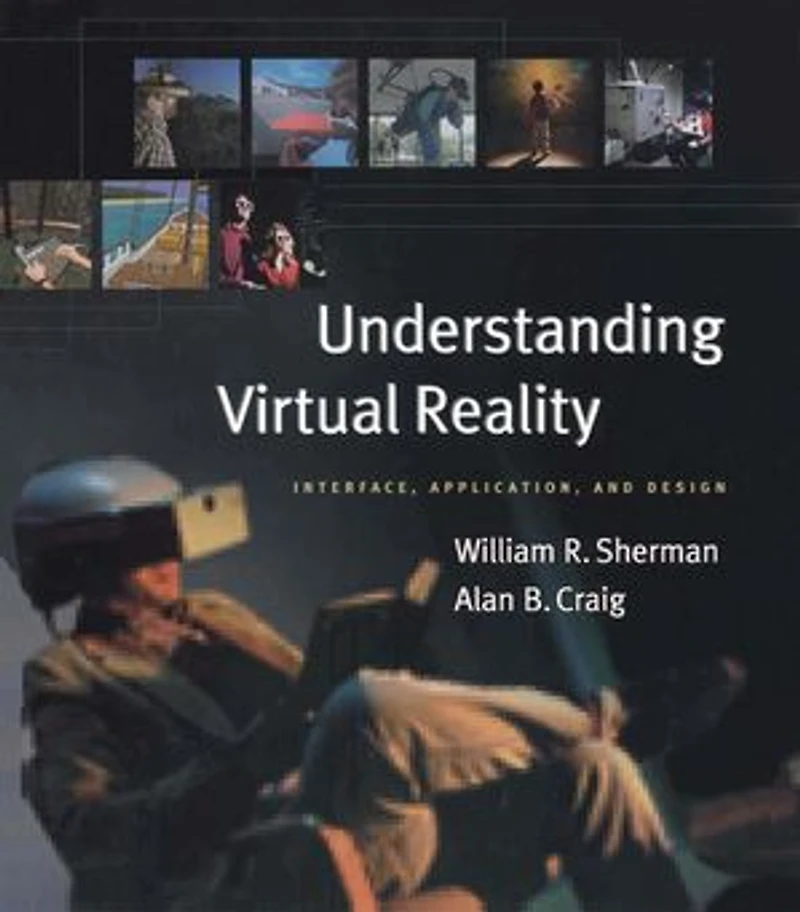
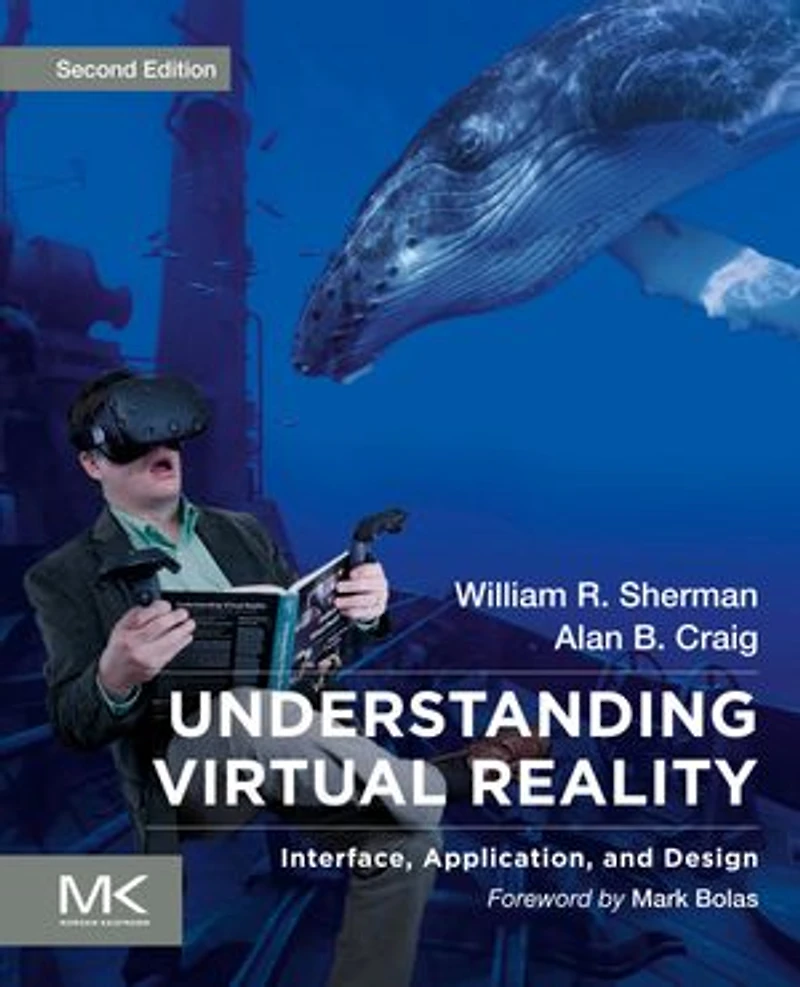
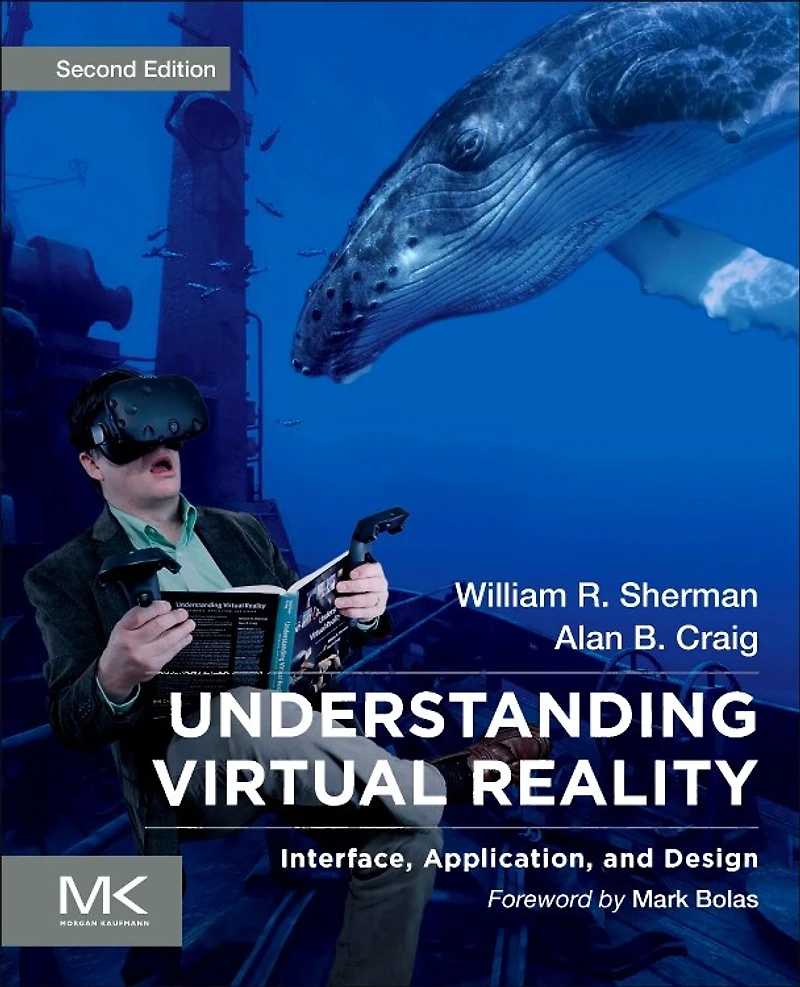
Understanding Virtual Reality: Interface, Application, And Design
Current price: $104.79
Original price: $131.00

Understanding Virtual Reality: Interface, Application, And Design
Current price: $104.79
Original price: $131.00
Loading Inventory...
Size: Kobo eBook (2002)
*Product information may vary - to confirm product availability, pricing, shipping and return information please contact Indigo
Understanding Virtual Reality: Interface, Application, and Design, Second Edition arrives at a time when the technologies behind virtual reality have advanced dramatically. The book helps users take advantage of the ways they can identify and prepare for the applications of VR in their field. By approaching VR as a communications medium, the authors have created a resource that will remain relevant even as underlying technologies evolve. Included are a history of VR, systems currently in use, the application of VR, and the many issues that arise in application design and implementation, including hardware requirements, system integration, interaction techniques and usability.
Features substantive, illuminating coverage designed for technical or business readers and the classroom
Examines VR's constituent technologies, drawn from visualization, representation, graphics, human-computer interaction and other fields
Provides (via a companion website) additional case studies, tutorials, instructional materials, and a link to an open-source VR programming system
Includes updated perception material and new sections on game engines, optical tracking, VR visual interface software, and a new glossary with pictures
Understanding Virtual Reality: Interface, Application, and Design, Second Edition arrives at a time when the technologies behind virtual reality have advanced dramatically. The book helps users take advantage of the ways they can identify and prepare for the applications of VR in their field. By approaching VR as a communications medium, the authors have created a resource that will remain relevant even as underlying technologies evolve. Included are a history of VR, systems currently in use, the application of VR, and the many issues that arise in application design and implementation, including hardware requirements, system integration, interaction techniques and usability.
Features substantive, illuminating coverage designed for technical or business readers and the classroom
Examines VR's constituent technologies, drawn from visualization, representation, graphics, human-computer interaction and other fields
Provides (via a companion website) additional case studies, tutorials, instructional materials, and a link to an open-source VR programming system
Includes updated perception material and new sections on game engines, optical tracking, VR visual interface software, and a new glossary with pictures
You May Also Like









More About Indigo at Erin Mills Town Centre
The largest book retailer in Canada also offers toys, music, home décor, gifts and lifestyle products. What's Inside...Books, Magazines, CD’s and DVD’s, Toys and Gifts, Home Accents, Electronics, Baby’s and Children’s Section, Bath and Body, Kitchen and Bedroom, Stationary Located outside in the exterior plaza.
5015 Glen Erin Dr, Mississauga, ON L5M 0R7, Canada
Find Indigo at Erin Mills Town Centre in Mississauga ON
Visit Indigo at Erin Mills Town Centre in Mississauga ON