

GIVE THE PERFECT GIFT
Erin Mills Town Centre Gift Cards are the perfect choice for your gift giving needs.Purchase gift cards at kiosks near the food court or centre court, at Guest Services, or click below to purchase online.PURCHASE HEREHome
Undomesticated Dissent: Democracy And The Public Virtue Of Religious Nonconformity
Indigo
Loading Inventory...
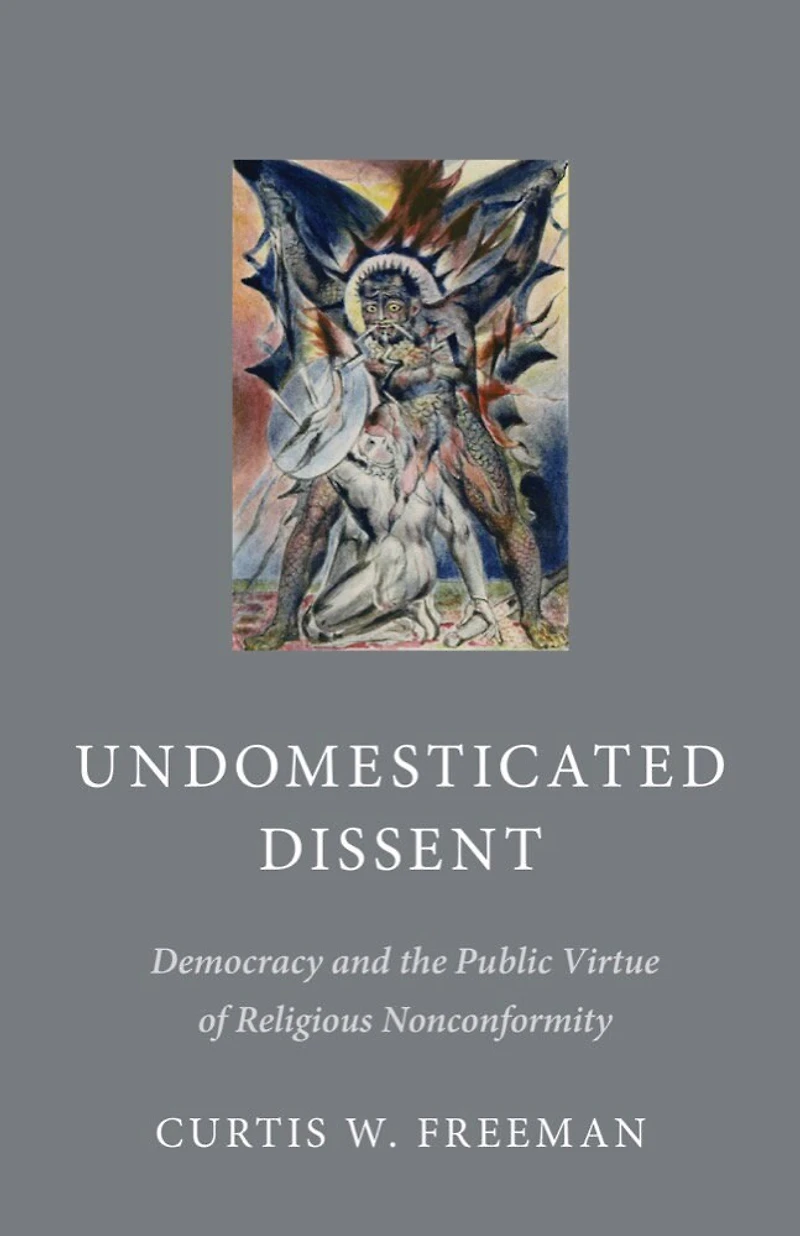
Undomesticated Dissent: Democracy And The Public Virtue Of Religious Nonconformity
Current price: $47.95

Undomesticated Dissent: Democracy And The Public Virtue Of Religious Nonconformity
Current price: $47.95
Loading Inventory...
Size: Hardcover
*Product information may vary - to confirm product availability, pricing, shipping and return information please contact Indigo
On the north end of Londonliesan old nonconformistburial ground named Bunhill Fields. Bunhill becamethefinal resting place for some of the most honored names of English Protestantism. Burialoutside the city walls symbolized that thoseinterredat Bunhill lived and died outside the English body politic.Bunhill, its location declares,isthe properhome for undomesticateddissenters.
Amongmore than 120,000 graves, three monuments stand in the central courtyard: one for John Bunyan (1628-1688), a second for Daniel Defoe (1660?-1731), and a third for William Blake (1757-1827). Undomesticated Dissent asks, "why these three monuments?" The answer, as Curtis Freeman leads readers to discover, is anidea as vitalandtransformative for public life today as itwasunsettling and revolutionary then.
To telltheuntoldtaleof the Bunhill graves,Freeman focuseson the three classic texts by Bunyan, Defoe, and Blake-- The Pilgrim?s Progress , Robinson Crusoe , and Jerusalem --as testaments of dissent. Their enduring literary power, as Freeman shows,derives from theiroriginal political and religious contexts.But Freeman also traces theabidingpropheticinfluenceof these texts,revealingthe confluence of great literature and principled religiousnonconformityin the checkered story of democraticpoliticalarrangements.
Undomesticated Dissent provides a sweeping intellectual history of the public virtue of religiously motivated dissent from the seventeenth century to the present, by carefully comparing, contrasting, and then weighing the various types of dissent--evangelicaland spiritual dissent (Bunyan), economic and social dissent (Defoe),radical andapocalyptic dissent (Blake). Freemanoffersdissentingimaginationasagenerative source for democracy, as well as a force forresistancetothe coercivepowers of domestication.By placing Bunyan, Defoe, and Blake within an extended argument about the nature and ends of democracy, Undomesticated Dissent reveals howthese three mentransmittedtheirdemocratic ideas across the globe,hidden within the text of their stories.
Freemanconcludes thatdissent, so crucial to the establishing of democracy, remainsequally essential for its flourishing. Buried deep intheirfull narrative of religion and resistance, the three monuments at Bunhill together declare that dissent is not disloyalty, and that democracy depends on dissent.
On the north end of Londonliesan old nonconformistburial ground named Bunhill Fields. Bunhill becamethefinal resting place for some of the most honored names of English Protestantism. Burialoutside the city walls symbolized that thoseinterredat Bunhill lived and died outside the English body politic.Bunhill, its location declares,isthe properhome for undomesticateddissenters.
Amongmore than 120,000 graves, three monuments stand in the central courtyard: one for John Bunyan (1628-1688), a second for Daniel Defoe (1660?-1731), and a third for William Blake (1757-1827). Undomesticated Dissent asks, "why these three monuments?" The answer, as Curtis Freeman leads readers to discover, is anidea as vitalandtransformative for public life today as itwasunsettling and revolutionary then.
To telltheuntoldtaleof the Bunhill graves,Freeman focuseson the three classic texts by Bunyan, Defoe, and Blake-- The Pilgrim?s Progress , Robinson Crusoe , and Jerusalem --as testaments of dissent. Their enduring literary power, as Freeman shows,derives from theiroriginal political and religious contexts.But Freeman also traces theabidingpropheticinfluenceof these texts,revealingthe confluence of great literature and principled religiousnonconformityin the checkered story of democraticpoliticalarrangements.
Undomesticated Dissent provides a sweeping intellectual history of the public virtue of religiously motivated dissent from the seventeenth century to the present, by carefully comparing, contrasting, and then weighing the various types of dissent--evangelicaland spiritual dissent (Bunyan), economic and social dissent (Defoe),radical andapocalyptic dissent (Blake). Freemanoffersdissentingimaginationasagenerative source for democracy, as well as a force forresistancetothe coercivepowers of domestication.By placing Bunyan, Defoe, and Blake within an extended argument about the nature and ends of democracy, Undomesticated Dissent reveals howthese three mentransmittedtheirdemocratic ideas across the globe,hidden within the text of their stories.
Freemanconcludes thatdissent, so crucial to the establishing of democracy, remainsequally essential for its flourishing. Buried deep intheirfull narrative of religion and resistance, the three monuments at Bunhill together declare that dissent is not disloyalty, and that democracy depends on dissent.
You May Also Like









More About Indigo at Erin Mills Town Centre
The largest book retailer in Canada also offers toys, music, home décor, gifts and lifestyle products. What's Inside...Books, Magazines, CD’s and DVD’s, Toys and Gifts, Home Accents, Electronics, Baby’s and Children’s Section, Bath and Body, Kitchen and Bedroom, Stationary Located outside in the exterior plaza.
5015 Glen Erin Dr, Mississauga, ON L5M 0R7, Canada
Find Indigo at Erin Mills Town Centre in Mississauga ON
Visit Indigo at Erin Mills Town Centre in Mississauga ON