

GIVE THE PERFECT GIFT
Erin Mills Town Centre Gift Cards are the perfect choice for your gift giving needs.Purchase gift cards at kiosks near the food court or centre court, at Guest Services, or click below to purchase online.PURCHASE HEREHome
Uprooted: How post-WWII Population Transfers Remade Europe
Indigo
Loading Inventory...
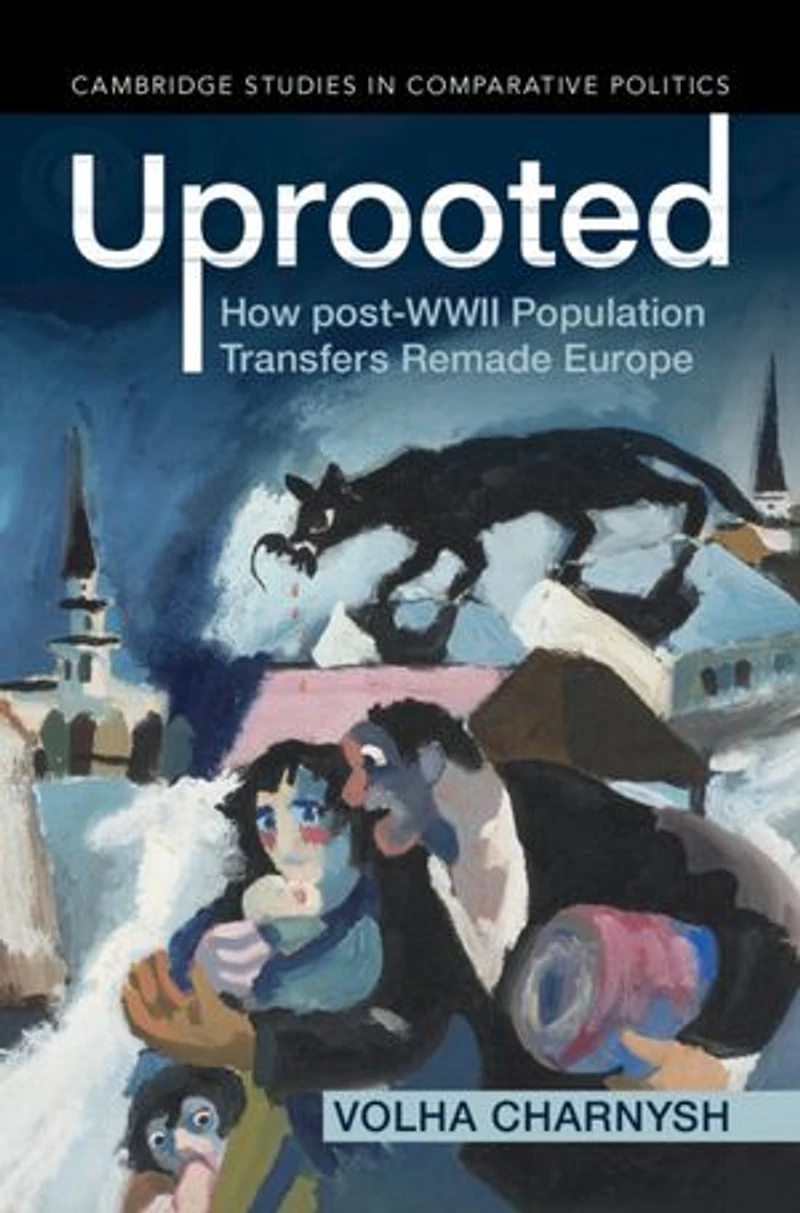
Uprooted: How post-WWII Population Transfers Remade Europe
Current price: $32.79
Original price: $40.95

Uprooted: How post-WWII Population Transfers Remade Europe
Current price: $32.79
Original price: $40.95
Loading Inventory...
Size: Kobo eBook
*Product information may vary - to confirm product availability, pricing, shipping and return information please contact Indigo
Each year, millions of people are uprooted from their homes by wars, repression, natural disasters, and climate change. In Uprooted, Volha Charnysh presents a fresh perspective on the developmental consequences of mass displacement, arguing that accommodating the displaced population can strengthen receiving states and benefit local economies. Drawing on extensive research on post-WWII Poland and West Germany, Charnysh shows that the rupture of social ties and increased cultural diversity in affected communities not only decreased social cohesion, but also shored up the demand for state-provided resources, which facilitated the accumulation of state capacity. Over time, areas that received a larger and more diverse influx of migrants achieved higher levels of entrepreneurship, education, and income. With its rich insights and compelling evidence, Uprooted challenges common assumptions about the costs of forced displacement and cultural diversity and proposes a novel mechanism linking wars to state-building.
Each year, millions of people are uprooted from their homes by wars, repression, natural disasters, and climate change. In Uprooted, Volha Charnysh presents a fresh perspective on the developmental consequences of mass displacement, arguing that accommodating the displaced population can strengthen receiving states and benefit local economies. Drawing on extensive research on post-WWII Poland and West Germany, Charnysh shows that the rupture of social ties and increased cultural diversity in affected communities not only decreased social cohesion, but also shored up the demand for state-provided resources, which facilitated the accumulation of state capacity. Over time, areas that received a larger and more diverse influx of migrants achieved higher levels of entrepreneurship, education, and income. With its rich insights and compelling evidence, Uprooted challenges common assumptions about the costs of forced displacement and cultural diversity and proposes a novel mechanism linking wars to state-building.
You May Also Like











More About Indigo at Erin Mills Town Centre
The largest book retailer in Canada also offers toys, music, home décor, gifts and lifestyle products. What's Inside...Books, Magazines, CD’s and DVD’s, Toys and Gifts, Home Accents, Electronics, Baby’s and Children’s Section, Bath and Body, Kitchen and Bedroom, Stationary Located outside in the exterior plaza.
5015 Glen Erin Dr, Mississauga, ON L5M 0R7, Canada
Find Indigo at Erin Mills Town Centre in Mississauga ON
Visit Indigo at Erin Mills Town Centre in Mississauga ON