

GIVE THE PERFECT GIFT
Erin Mills Town Centre Gift Cards are the perfect choice for your gift giving needs.Purchase gift cards at kiosks near the food court or centre court, at Guest Services, or click below to purchase online.PURCHASE HEREHome
Vagabondage: A Timeless Reaction to the Malignancy of Western Civilization
Indigo
Loading Inventory...
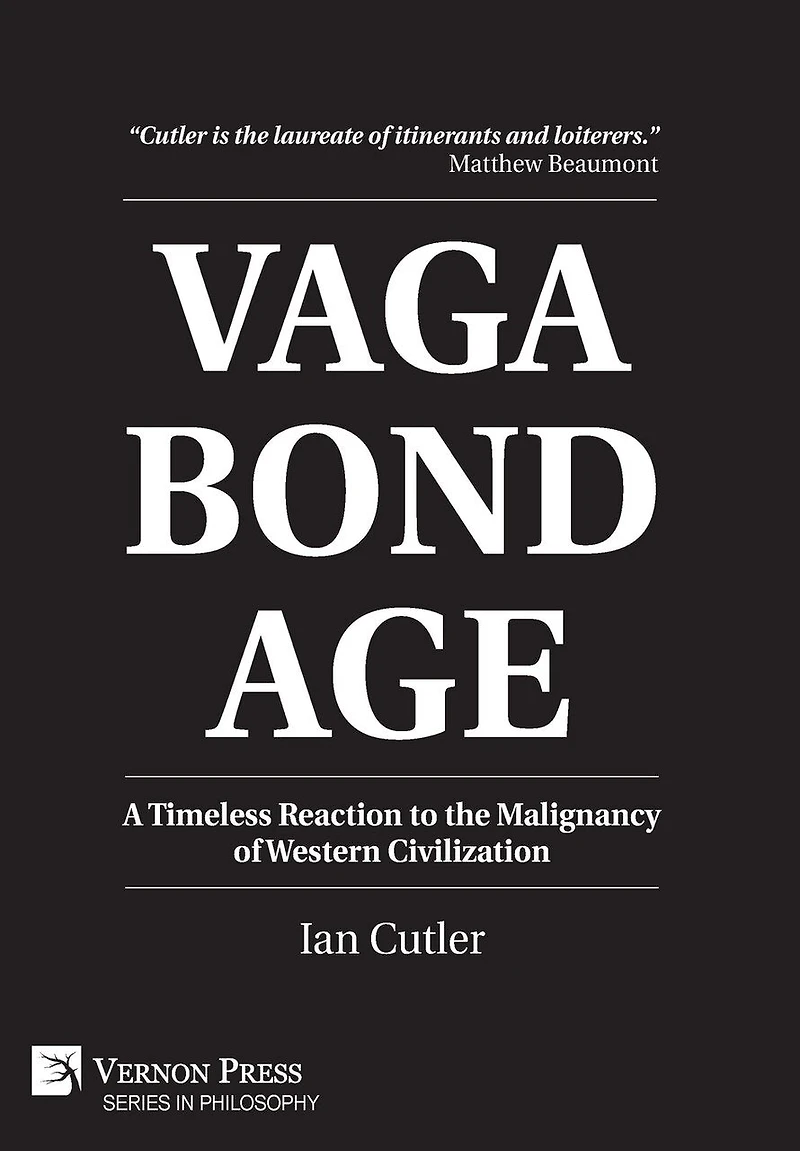
Vagabondage: A Timeless Reaction to the Malignancy of Western Civilization
Current price: $89.00

Vagabondage: A Timeless Reaction to the Malignancy of Western Civilization
Current price: $89.00
Loading Inventory...
Size: Hardcover
*Product information may vary - to confirm product availability, pricing, shipping and return information please contact Indigo
This book concerns why the writers featured sought to exile themselves from mainstream society, not least by embracing the 'natural' world and an ascetic lifestyle. With the help of generous references from the 30-plus vagabond writers featured (plus many more contributions from secondary texts), Cutler has identified what he regards as the key features of the temperament and philosophy of those who rejected mannered, conventional society for a vagabond life. Each chapter addresses a different aspect of vagabondage under such themes as: wanderlust; the compulsion not to live a settled existence; asceticism; affinity with nature; the desire to retain the innocence (and mischief) of childhood; aloofness yet compassion for the rest of human-kind; and the rejection of formal education for knowledge experienced via their own senses. Refusing to be compromised by the grand narratives of religion, politics, law, nationalism, and convention, they regarded themselves as 'citizens of the universe' rather than slaves of what they regarded as geographical and political states artificially created by humans. Cutler attempts to rescue from obscurity, the philosophy first espoused by the ancient Cynics and now practiced-outside of any organized movement-by this disparate group of thinkers and writers, by presenting arguments and conclusions that are original to this work.
This book concerns why the writers featured sought to exile themselves from mainstream society, not least by embracing the 'natural' world and an ascetic lifestyle. With the help of generous references from the 30-plus vagabond writers featured (plus many more contributions from secondary texts), Cutler has identified what he regards as the key features of the temperament and philosophy of those who rejected mannered, conventional society for a vagabond life. Each chapter addresses a different aspect of vagabondage under such themes as: wanderlust; the compulsion not to live a settled existence; asceticism; affinity with nature; the desire to retain the innocence (and mischief) of childhood; aloofness yet compassion for the rest of human-kind; and the rejection of formal education for knowledge experienced via their own senses. Refusing to be compromised by the grand narratives of religion, politics, law, nationalism, and convention, they regarded themselves as 'citizens of the universe' rather than slaves of what they regarded as geographical and political states artificially created by humans. Cutler attempts to rescue from obscurity, the philosophy first espoused by the ancient Cynics and now practiced-outside of any organized movement-by this disparate group of thinkers and writers, by presenting arguments and conclusions that are original to this work.
You May Also Like











More About Indigo at Erin Mills Town Centre
The largest book retailer in Canada also offers toys, music, home décor, gifts and lifestyle products. What's Inside...Books, Magazines, CD’s and DVD’s, Toys and Gifts, Home Accents, Electronics, Baby’s and Children’s Section, Bath and Body, Kitchen and Bedroom, Stationary Located outside in the exterior plaza.
5015 Glen Erin Dr, Mississauga, ON L5M 0R7, Canada
Find Indigo at Erin Mills Town Centre in Mississauga ON
Visit Indigo at Erin Mills Town Centre in Mississauga ON