

GIVE THE PERFECT GIFT
Erin Mills Town Centre Gift Cards are the perfect choice for your gift giving needs.Purchase gift cards at kiosks near the food court or centre court, at Guest Services, or click below to purchase online.PURCHASE HEREHome
Vanished Lands: Memory and Postmemory North American Lithuanian Diaspora Literature
Indigo
Loading Inventory...
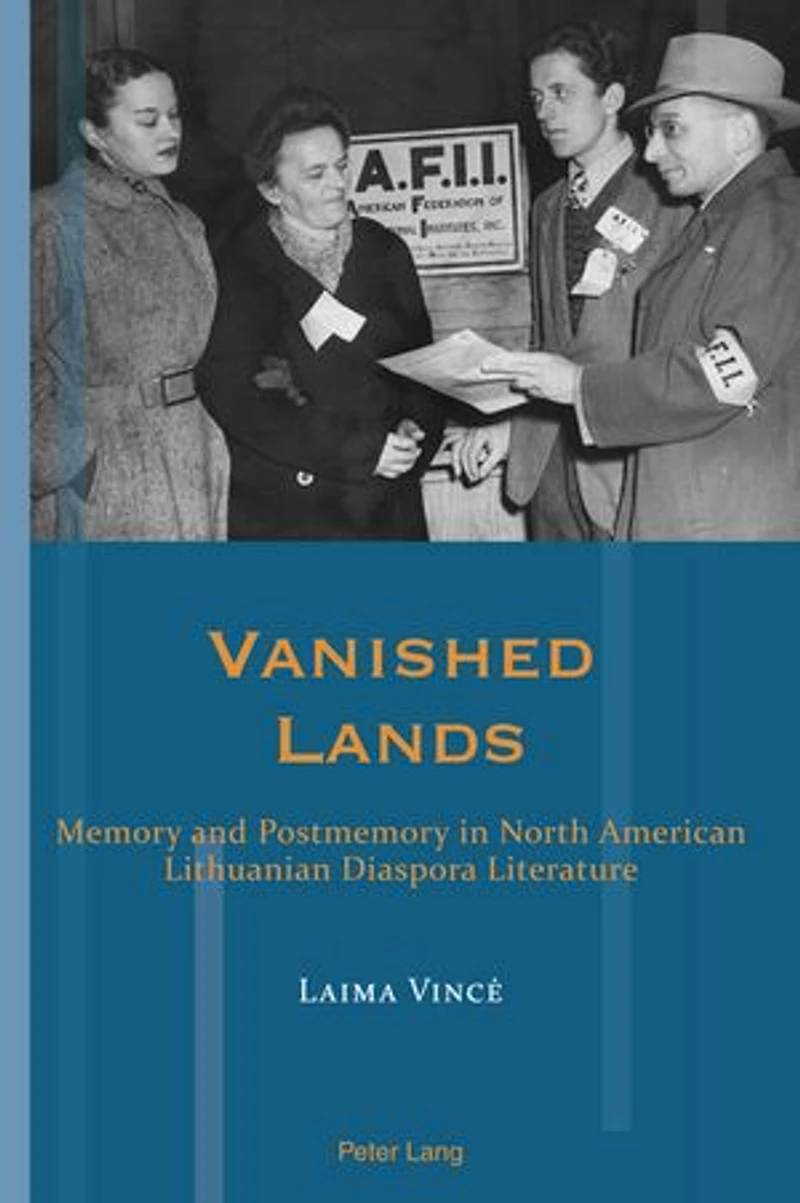
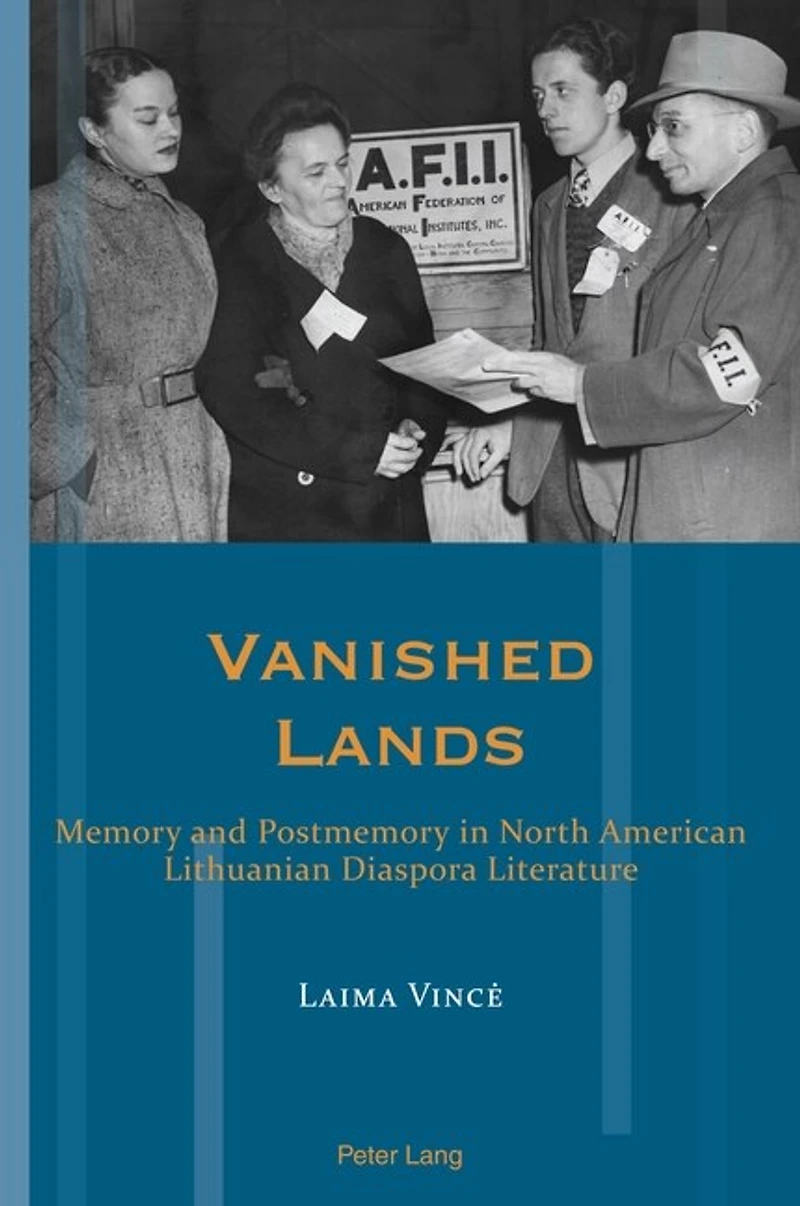
Vanished Lands: Memory and Postmemory North American Lithuanian Diaspora Literature
Current price: $90.09
Original price: $112.58

Vanished Lands: Memory and Postmemory North American Lithuanian Diaspora Literature
Current price: $90.09
Original price: $112.58
Loading Inventory...
Size: Kobo eBook
*Product information may vary - to confirm product availability, pricing, shipping and return information please contact Indigo
Dr. Laima Vincė Sruoginis, an established author, academic, and life-long part of the North American Lithuanian diaspora, courageously faces Lithuania’s difficult historical legacy in her ground-breaking book. She researched her community’s refugee ancestors, drawing both from personal interviews and dusty academic sources, confronting uncomfortable truths.
(Philip S. Shapiro, President, Remembering Litvaks, Inc.)
As World War II ended, refugees fled Soviet-occupied Lithuania, finding shelter in the displaced persons camps of Europe. By 1949, most had emigrated to North America. They brought with them opposing narratives about the Nazi occupation (1941–1944) when 95 percent of Lithuania’s Jewish community was annihilated. Trauma narratives were passed down to the second and third generations through collective memory. Through postmemory, cultural memory, and trauma theory, Vanished Lands analyzes literary works by North American Jewish and Lithuanian writers who speak over the silence of decades, seeking answers.
Dr. Laima Vincė Sruoginis, an established author, academic, and life-long part of the North American Lithuanian diaspora, courageously faces Lithuania’s difficult historical legacy in her ground-breaking book. She researched her community’s refugee ancestors, drawing both from personal interviews and dusty academic sources, confronting uncomfortable truths.
(Philip S. Shapiro, President, Remembering Litvaks, Inc.)
As World War II ended, refugees fled Soviet-occupied Lithuania, finding shelter in the displaced persons camps of Europe. By 1949, most had emigrated to North America. They brought with them opposing narratives about the Nazi occupation (1941–1944) when 95 percent of Lithuania’s Jewish community was annihilated. Trauma narratives were passed down to the second and third generations through collective memory. Through postmemory, cultural memory, and trauma theory, Vanished Lands analyzes literary works by North American Jewish and Lithuanian writers who speak over the silence of decades, seeking answers.
You May Also Like









More About Indigo at Erin Mills Town Centre
The largest book retailer in Canada also offers toys, music, home décor, gifts and lifestyle products. What's Inside...Books, Magazines, CD’s and DVD’s, Toys and Gifts, Home Accents, Electronics, Baby’s and Children’s Section, Bath and Body, Kitchen and Bedroom, Stationary Located outside in the exterior plaza.
5015 Glen Erin Dr, Mississauga, ON L5M 0R7, Canada
Find Indigo at Erin Mills Town Centre in Mississauga ON
Visit Indigo at Erin Mills Town Centre in Mississauga ON