

GIVE THE PERFECT GIFT
Erin Mills Town Centre Gift Cards are the perfect choice for your gift giving needs.Purchase gift cards at kiosks near the food court or centre court, at Guest Services, or click below to purchase online.PURCHASE HEREHome
Video Games and Spatiality American Studies
Indigo
Loading Inventory...
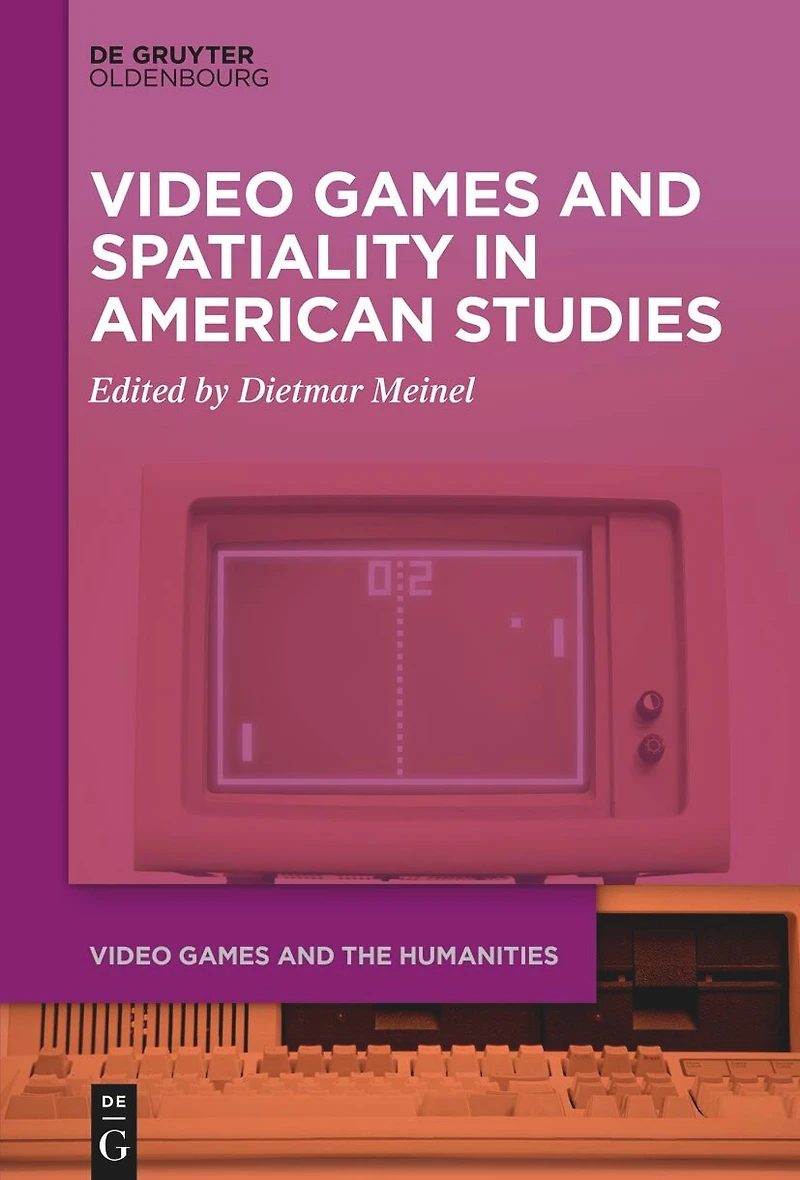
Video Games and Spatiality American Studies
Current price: $129.99

Video Games and Spatiality American Studies
Current price: $129.99
Loading Inventory...
Size: Hardcover
*Product information may vary - to confirm product availability, pricing, shipping and return information please contact Indigo
While video games have blossomed into the foremost expression of contemporary popular culture over the past decades, their critical study occupies a fringe position in American Studies. In its engagement with video games, this book contributes to their study but with a thematic focus on a particularly important subject matter in American Studies: spatiality. The volume explores the production, representation, and experience of places in video games from the perspective of American Studies. Contributions critically interrogate the use of spatial myths ("wilderness," "frontier," or "city upon a hill"), explore games as digital borderlands and contact zones, and offer novel approaches to geographical literacy. Eventually, Playing the Field II brings the rich theoretical repertoire of the study of space in American Studies into conversation with questions about the production, representation, and experience of space in video games.
While video games have blossomed into the foremost expression of contemporary popular culture over the past decades, their critical study occupies a fringe position in American Studies. In its engagement with video games, this book contributes to their study but with a thematic focus on a particularly important subject matter in American Studies: spatiality. The volume explores the production, representation, and experience of places in video games from the perspective of American Studies. Contributions critically interrogate the use of spatial myths ("wilderness," "frontier," or "city upon a hill"), explore games as digital borderlands and contact zones, and offer novel approaches to geographical literacy. Eventually, Playing the Field II brings the rich theoretical repertoire of the study of space in American Studies into conversation with questions about the production, representation, and experience of space in video games.
You May Also Like







More About Indigo at Erin Mills Town Centre
The largest book retailer in Canada also offers toys, music, home décor, gifts and lifestyle products. What's Inside...Books, Magazines, CD’s and DVD’s, Toys and Gifts, Home Accents, Electronics, Baby’s and Children’s Section, Bath and Body, Kitchen and Bedroom, Stationary Located outside in the exterior plaza.
5015 Glen Erin Dr, Mississauga, ON L5M 0R7, Canada
Find Indigo at Erin Mills Town Centre in Mississauga ON
Visit Indigo at Erin Mills Town Centre in Mississauga ON