

GIVE THE PERFECT GIFT
Erin Mills Town Centre Gift Cards are the perfect choice for your gift giving needs.Purchase gift cards at kiosks near the food court or centre court, at Guest Services, or click below to purchase online.PURCHASE HEREHome
War, Guilt, and World Politics after War II
Indigo
Loading Inventory...
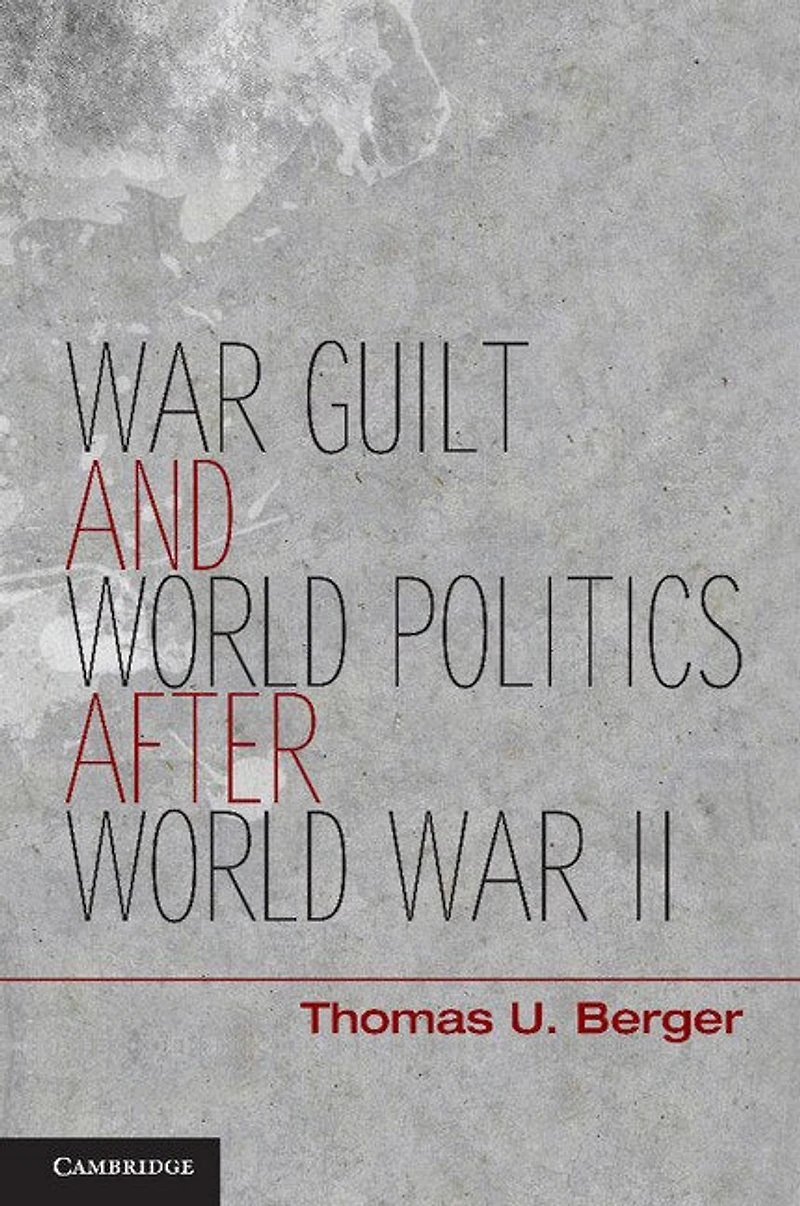
War, Guilt, and World Politics after War II
Current price: $135.95

War, Guilt, and World Politics after War II
Current price: $135.95
Loading Inventory...
Size: Hardcover
*Product information may vary - to confirm product availability, pricing, shipping and return information please contact Indigo
When do states choose to adopt a penitent stance towards the past? When do they choose to offer apologies for historical misdeeds, offer compensation for their victims, and incorporate the darker sides of history into their textbooks, public monuments, and museums? When do they choose not to do so? And what are the political consequences of how states portray the past? This book pursues these questions by examining how governments in post-1945 Austria, Germany, and Japan have wrestled with the difficult legacy of the Second World War and the impact of their policies on regional politics in Europe and Asia. The book argues that states can reconcile over historical issues, but to do so requires greater political will and imposes greater costs than is commonly realized. At the same time, in an increasingly interdependent world, failure to do so can have a profoundly disruptive effect on regional relations and feed dangerous geopolitical tensions.
When do states choose to adopt a penitent stance towards the past? When do they choose to offer apologies for historical misdeeds, offer compensation for their victims, and incorporate the darker sides of history into their textbooks, public monuments, and museums? When do they choose not to do so? And what are the political consequences of how states portray the past? This book pursues these questions by examining how governments in post-1945 Austria, Germany, and Japan have wrestled with the difficult legacy of the Second World War and the impact of their policies on regional politics in Europe and Asia. The book argues that states can reconcile over historical issues, but to do so requires greater political will and imposes greater costs than is commonly realized. At the same time, in an increasingly interdependent world, failure to do so can have a profoundly disruptive effect on regional relations and feed dangerous geopolitical tensions.
You May Also Like








More About Indigo at Erin Mills Town Centre
The largest book retailer in Canada also offers toys, music, home décor, gifts and lifestyle products. What's Inside...Books, Magazines, CD’s and DVD’s, Toys and Gifts, Home Accents, Electronics, Baby’s and Children’s Section, Bath and Body, Kitchen and Bedroom, Stationary Located outside in the exterior plaza.
5015 Glen Erin Dr, Mississauga, ON L5M 0R7, Canada
Find Indigo at Erin Mills Town Centre in Mississauga ON
Visit Indigo at Erin Mills Town Centre in Mississauga ON