

GIVE THE PERFECT GIFT
Erin Mills Town Centre Gift Cards are the perfect choice for your gift giving needs.Purchase gift cards at kiosks near the food court or centre court, at Guest Services, or click below to purchase online.PURCHASE HEREHome
Was the Good Samaritan a Bad Economist?
Indigo
Loading Inventory...
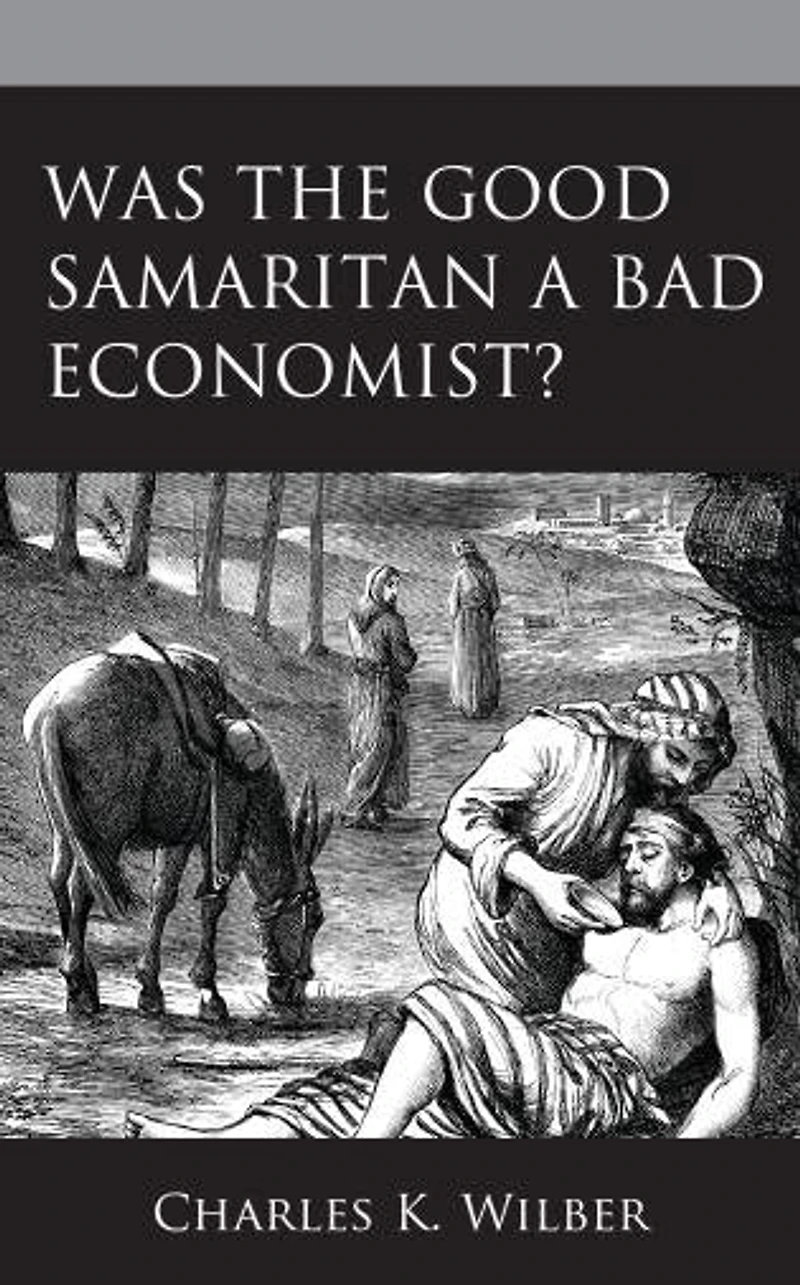
Was the Good Samaritan a Bad Economist?
Current price: $175.50

Was the Good Samaritan a Bad Economist?
Current price: $175.50
Loading Inventory...
Size: Hardcover
*Product information may vary - to confirm product availability, pricing, shipping and return information please contact Indigo
In Was the Good Samaritan a Bad Economist? Charles K. Wilber argues that the American economy has not only failed to overcome poverty, it has generated extreme inequality that in turn restricts social mobility and further marginalizes the poor. Wilber argues that economic theory is permeated with ethical values and any economics must be so; that human behavior is more complex than the economists' simple self-interest model; that people are also driven by deeply embedded moral values; that markets require intervention to create equity; and that Catholic social thought provides the perspective and values to develop a more relevant social economics. The author takes that modified economics and uses it to analyze specific social problems: labor markets, poverty, inequality, financial crisis, and development. Wilber next focuses on the important role of families, labor unions, parishes, and small Christian communities, such as the Catholic Worker movement, as mediating institutions in the economy. He concludes with a final look at the questions, "Was the Good Samaritan a Bad Economist?".
In Was the Good Samaritan a Bad Economist? Charles K. Wilber argues that the American economy has not only failed to overcome poverty, it has generated extreme inequality that in turn restricts social mobility and further marginalizes the poor. Wilber argues that economic theory is permeated with ethical values and any economics must be so; that human behavior is more complex than the economists' simple self-interest model; that people are also driven by deeply embedded moral values; that markets require intervention to create equity; and that Catholic social thought provides the perspective and values to develop a more relevant social economics. The author takes that modified economics and uses it to analyze specific social problems: labor markets, poverty, inequality, financial crisis, and development. Wilber next focuses on the important role of families, labor unions, parishes, and small Christian communities, such as the Catholic Worker movement, as mediating institutions in the economy. He concludes with a final look at the questions, "Was the Good Samaritan a Bad Economist?".
You May Also Like















More About Indigo at Erin Mills Town Centre
The largest book retailer in Canada also offers toys, music, home décor, gifts and lifestyle products. What's Inside...Books, Magazines, CD’s and DVD’s, Toys and Gifts, Home Accents, Electronics, Baby’s and Children’s Section, Bath and Body, Kitchen and Bedroom, Stationary Located outside in the exterior plaza.
5015 Glen Erin Dr, Mississauga, ON L5M 0R7, Canada
Find Indigo at Erin Mills Town Centre in Mississauga ON
Visit Indigo at Erin Mills Town Centre in Mississauga ON