

GIVE THE PERFECT GIFT
Erin Mills Town Centre Gift Cards are the perfect choice for your gift giving needs.Purchase gift cards at kiosks near the food court or centre court, at Guest Services, or click below to purchase online.PURCHASE HEREHome
Waste Recycling Technologies for Nanomaterials Manufacturing
Indigo
Loading Inventory...
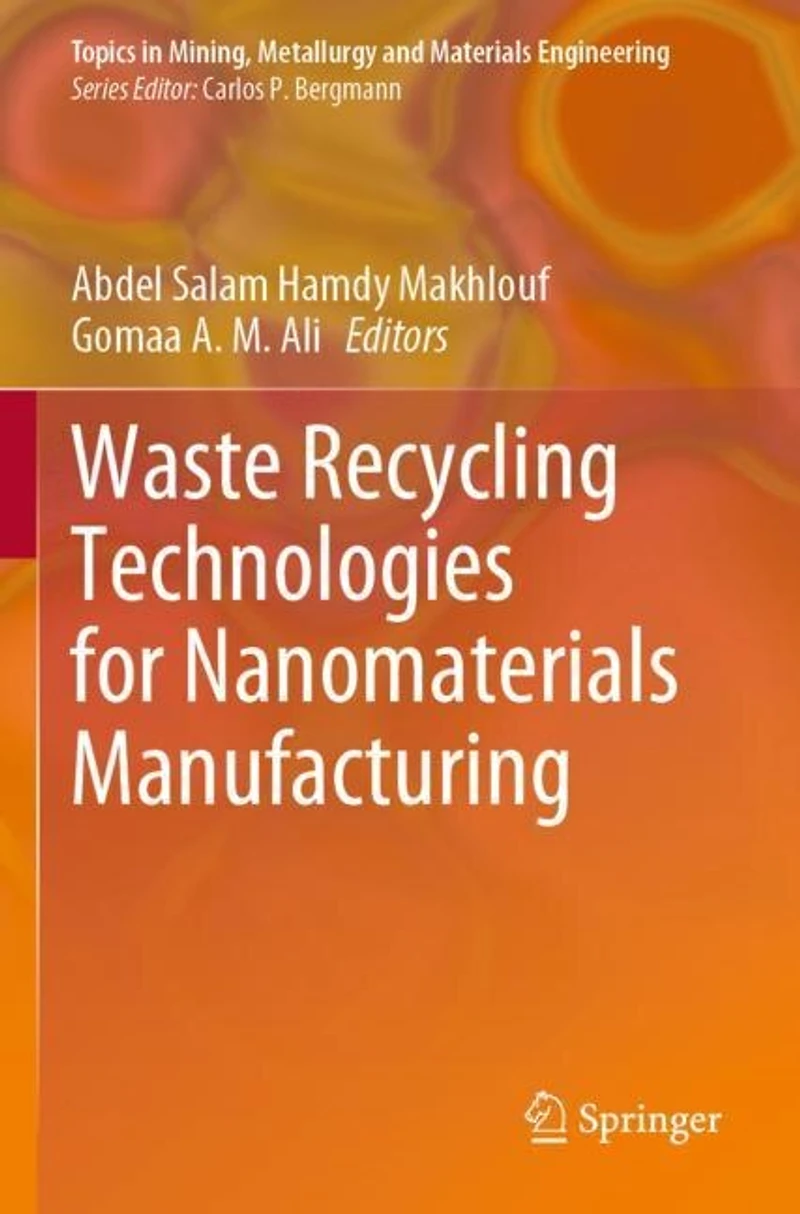
Waste Recycling Technologies for Nanomaterials Manufacturing
Current price: $262.95

Waste Recycling Technologies for Nanomaterials Manufacturing
Current price: $262.95
Loading Inventory...
Size: Paperback
*Product information may vary - to confirm product availability, pricing, shipping and return information please contact Indigo
This book discusses the recent advances in the wastes recycling technologies to provide low-cost and alternative ways for nanomaterials production. It shows how carbon nanomaterials can be synthesized from different waste sources such as banana fibers, argan (Argania spinosa) seed shells, corn grains, camellia oleifera shell, sugar cane bagasse, oil palm (empty fruit bunches and leaves) and palm kernel shells. Several nanostructured metal oxides (MnO2, Co3O4,....) can be synthesized via recycling of spent batteries. The recovered nanomaterials can be applied in many applications including: Energy (supercapacitors, solar cells, etc.) water treatments (heavy metal ions and dyes removal) and other applications. Spent battery and agriculture waste are rich precursors for metals and carbon, respectively. The book also explores the various recycling techniques, agriculture waste recycling, batteries recycling, and different applications of the recycled materials.
This book discusses the recent advances in the wastes recycling technologies to provide low-cost and alternative ways for nanomaterials production. It shows how carbon nanomaterials can be synthesized from different waste sources such as banana fibers, argan (Argania spinosa) seed shells, corn grains, camellia oleifera shell, sugar cane bagasse, oil palm (empty fruit bunches and leaves) and palm kernel shells. Several nanostructured metal oxides (MnO2, Co3O4,....) can be synthesized via recycling of spent batteries. The recovered nanomaterials can be applied in many applications including: Energy (supercapacitors, solar cells, etc.) water treatments (heavy metal ions and dyes removal) and other applications. Spent battery and agriculture waste are rich precursors for metals and carbon, respectively. The book also explores the various recycling techniques, agriculture waste recycling, batteries recycling, and different applications of the recycled materials.
You May Also Like







More About Indigo at Erin Mills Town Centre
The largest book retailer in Canada also offers toys, music, home décor, gifts and lifestyle products. What's Inside...Books, Magazines, CD’s and DVD’s, Toys and Gifts, Home Accents, Electronics, Baby’s and Children’s Section, Bath and Body, Kitchen and Bedroom, Stationary Located outside in the exterior plaza.
5015 Glen Erin Dr, Mississauga, ON L5M 0R7, Canada
Find Indigo at Erin Mills Town Centre in Mississauga ON
Visit Indigo at Erin Mills Town Centre in Mississauga ON