

GIVE THE PERFECT GIFT
Erin Mills Town Centre Gift Cards are the perfect choice for your gift giving needs.Purchase gift cards at kiosks near the food court or centre court, at Guest Services, or click below to purchase online.PURCHASE HEREHome
Waveform Design for 5G and beyond Systems
Indigo
Loading Inventory...
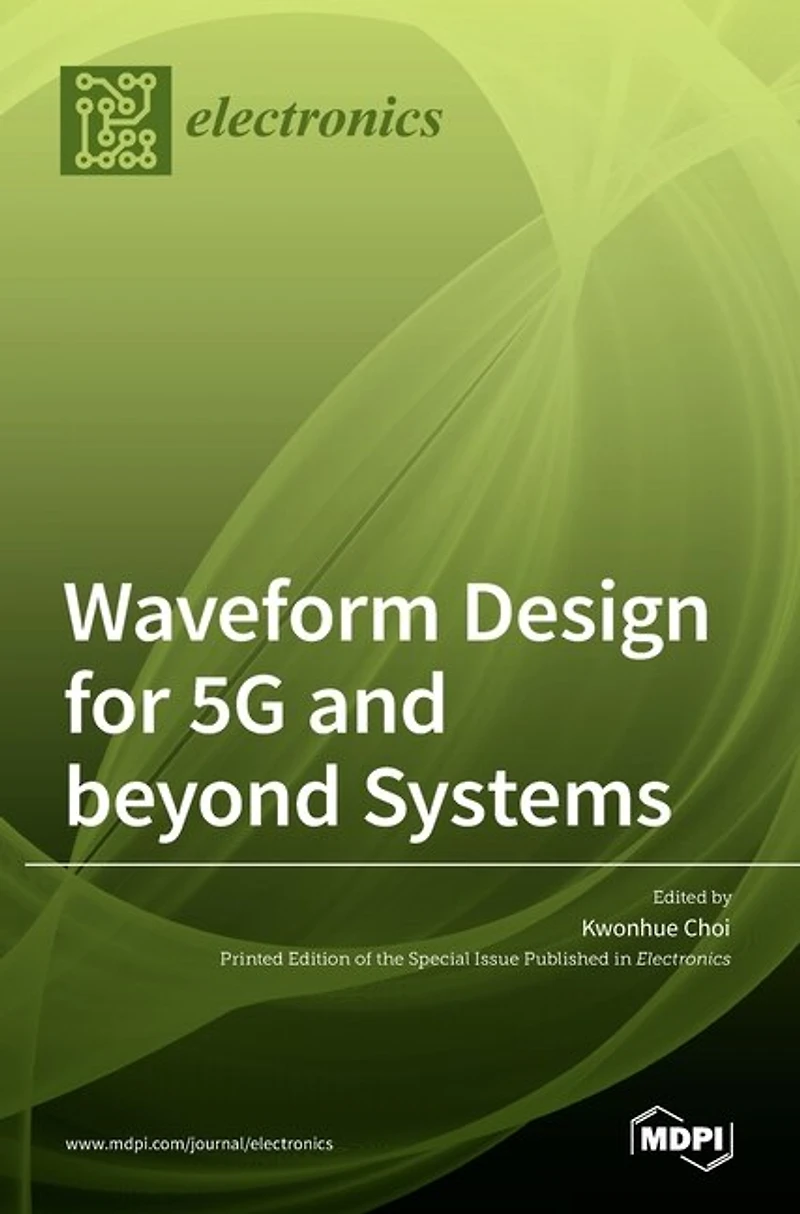
Waveform Design for 5G and beyond Systems
Current price: $61.20

Waveform Design for 5G and beyond Systems
Current price: $61.20
Loading Inventory...
Size: Hardcover
*Product information may vary - to confirm product availability, pricing, shipping and return information please contact Indigo
5G traffic has very diverse requirements with respect to data rate, delay, and reliability. The concept of using multiple OFDM numerologies adopted in the 5G NR standard will likely meet these multiple requirements to some extent. However, the traffic is radically accruing different characteristics and requirements when compared with the initial stage of 5G, which focused mainly on high-speed multimedia data applications. For instance, applications such as vehicular communications and robotics control require a highly reliable and ultra-low delay. In addition, various emerging M2M applications have sparse traffic with a small amount of data to be delivered. The state-of-the-art OFDM technique has some limitations when addressing the aforementioned requirements at the same time. Meanwhile, numerous waveform alternatives, such as FBMC, GFDM, and UFMC, have been explored. They also have their own pros and cons due to their intrinsic waveform properties. Hence, it is the opportune moment to come up with modification/variations/combinations to the aforementioned techniques or a new waveform design for 5G systems and beyond. The aim of this Special Issue is to provide the latest research and advances in the field of waveform design for 5G systems and beyond.
5G traffic has very diverse requirements with respect to data rate, delay, and reliability. The concept of using multiple OFDM numerologies adopted in the 5G NR standard will likely meet these multiple requirements to some extent. However, the traffic is radically accruing different characteristics and requirements when compared with the initial stage of 5G, which focused mainly on high-speed multimedia data applications. For instance, applications such as vehicular communications and robotics control require a highly reliable and ultra-low delay. In addition, various emerging M2M applications have sparse traffic with a small amount of data to be delivered. The state-of-the-art OFDM technique has some limitations when addressing the aforementioned requirements at the same time. Meanwhile, numerous waveform alternatives, such as FBMC, GFDM, and UFMC, have been explored. They also have their own pros and cons due to their intrinsic waveform properties. Hence, it is the opportune moment to come up with modification/variations/combinations to the aforementioned techniques or a new waveform design for 5G systems and beyond. The aim of this Special Issue is to provide the latest research and advances in the field of waveform design for 5G systems and beyond.
You May Also Like








More About Indigo at Erin Mills Town Centre
The largest book retailer in Canada also offers toys, music, home décor, gifts and lifestyle products. What's Inside...Books, Magazines, CD’s and DVD’s, Toys and Gifts, Home Accents, Electronics, Baby’s and Children’s Section, Bath and Body, Kitchen and Bedroom, Stationary Located outside in the exterior plaza.
5015 Glen Erin Dr, Mississauga, ON L5M 0R7, Canada
Find Indigo at Erin Mills Town Centre in Mississauga ON
Visit Indigo at Erin Mills Town Centre in Mississauga ON