

GIVE THE PERFECT GIFT
Erin Mills Town Centre Gift Cards are the perfect choice for your gift giving needs.Purchase gift cards at kiosks near the food court or centre court, at Guest Services, or click below to purchase online.PURCHASE HEREHome
We Have Never Been Middle Class: How Social Mobility Misleads Us
Indigo
Loading Inventory...
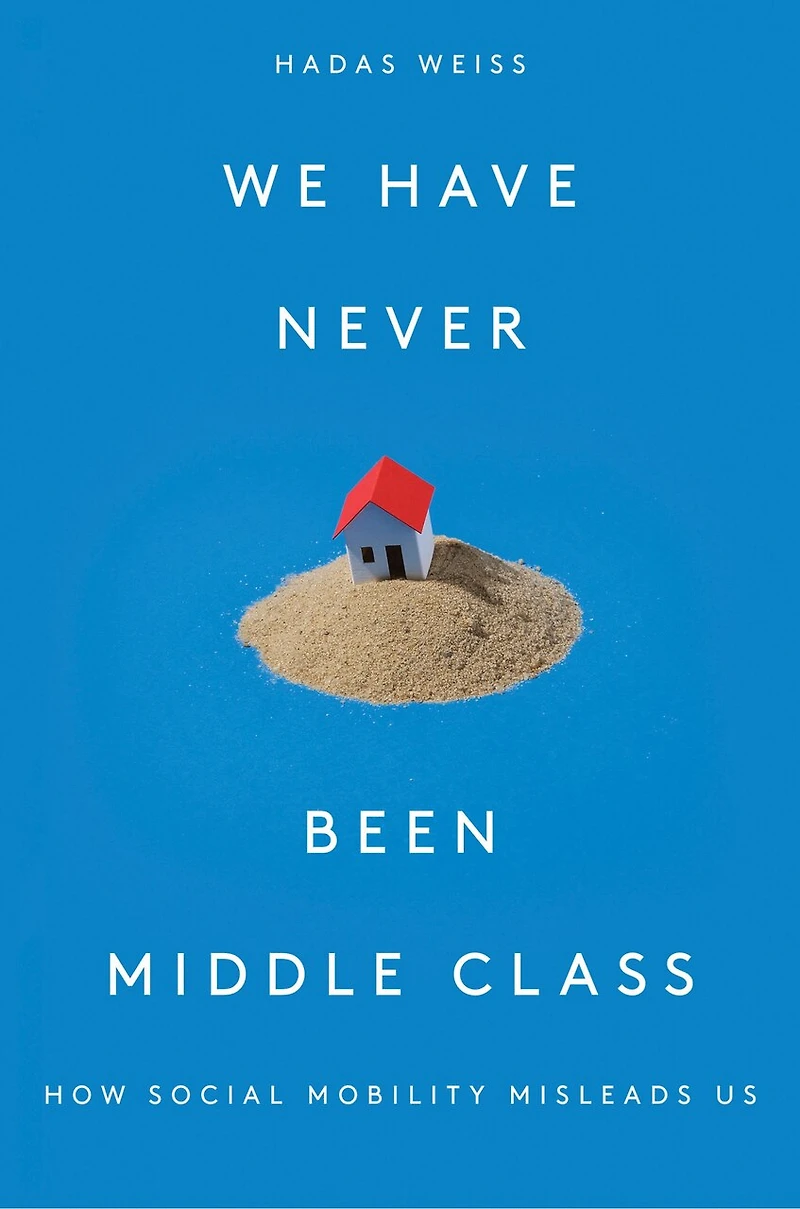
We Have Never Been Middle Class: How Social Mobility Misleads Us
Current price: $33.95

We Have Never Been Middle Class: How Social Mobility Misleads Us
Current price: $33.95
Loading Inventory...
Size: Hardcover
*Product information may vary - to confirm product availability, pricing, shipping and return information please contact Indigo
Taking apart the ideology of the "middle class"
Tidings of a shrinking middle class in one part of the world and its expansion in another absorb our attention, but seldom do we question the category itself. We Have Never Been Middle Class proposes that the middle class is an ideology. Tracing this ideology up to the age of financialization, it exposes the fallacy in the belief that we can all ascend or descend as a result of our aspirational and precautionary investments in property and education. Ethnographic accounts from Germany, Israel, the USA and elsewhere illustrate how this belief orients us, in our private lives as much as in our politics, toward accumulation-enhancing yet self-undermining goals. This original meshing of anthropology and critical theory elucidates capitalism by way of its archetypal actors.
Taking apart the ideology of the "middle class"
Tidings of a shrinking middle class in one part of the world and its expansion in another absorb our attention, but seldom do we question the category itself. We Have Never Been Middle Class proposes that the middle class is an ideology. Tracing this ideology up to the age of financialization, it exposes the fallacy in the belief that we can all ascend or descend as a result of our aspirational and precautionary investments in property and education. Ethnographic accounts from Germany, Israel, the USA and elsewhere illustrate how this belief orients us, in our private lives as much as in our politics, toward accumulation-enhancing yet self-undermining goals. This original meshing of anthropology and critical theory elucidates capitalism by way of its archetypal actors.
You May Also Like











More About Indigo at Erin Mills Town Centre
The largest book retailer in Canada also offers toys, music, home décor, gifts and lifestyle products. What's Inside...Books, Magazines, CD’s and DVD’s, Toys and Gifts, Home Accents, Electronics, Baby’s and Children’s Section, Bath and Body, Kitchen and Bedroom, Stationary Located outside in the exterior plaza.
5015 Glen Erin Dr, Mississauga, ON L5M 0R7, Canada
Find Indigo at Erin Mills Town Centre in Mississauga ON
Visit Indigo at Erin Mills Town Centre in Mississauga ON